
Tarangire Safari: Tanzania’s Elephant Capital and Hidden Gem
- The Allure of Tarangire National Park
- Planning Your Tarangire Safari
- The Iconic Baobab Trees of Tanzania
- Understanding the Tarangire Elephant Population
- Wildlife Diversity Beyond the Giants
- The Best Time for a Dry Season Tanzania Safari
- Navigating the Tarangire Ecosystem
- Top Safari Activities in the Park
- Choosing the Right Accommodation
- Essential Packing List for Your Adventure
- Photography Tips for Capturing Wildlife
- Conservation Efforts and Community Impact
- Safety Guidelines for Safari Travelers
- Combining Tarangire with Other Northern Circuit Parks
- Cultural Experiences Near the Park Borders
- Conclusion
- FAQ
Join us on a journey where time seems to stand still and the wild’s heartbeat is all that matters. A Tarangire Safari gives you a unique glimpse into East Africa, away from the busy tourist spots. Here, the ancient baobab trees watch over a vast, golden savanna.
Tarangire is known as Tanzania’s elephant capital. You’ll see huge herds moving quietly across the plains. This creates a deep connection between you and nature. Choosing a Tarangire National Park safari means you value depth and discovery over just seeing sights.
We lead you through this world with a focus on protecting it and real encounters. Our aim is to help you understand the balance that keeps this wilderness alive.
Key Takeaways
- Experience the largest concentration of elephants in Northern Tanzania.
- Explore a landscape defined by iconic, ancient baobab trees.
- Enjoy an authentic, uncrowded wilderness adventure.
- Support conservation efforts through responsible, guided travel.
- Discover a hidden gem that prioritizes ecological integrity.
The Allure of Tarangire National Park
Tarangire National Park in Tanzania is a must-see for its varied landscapes and abundant wildlife. It offers a special experience, from its diverse animals to its breathtaking views.
Why Tarangire Stands Out in the Northern Circuit
Tarangire National Park is unique in the Northern Circuit. It has a mix of wildlife and geography that sets it apart. Unlike Serengeti or Ngorongoro, Tarangire is less crowded, offering a closer safari experience.
The park is famous for its elephants and the annual migration of wildebeest, zebras, and more. Its vast savannas, dotted with baobab trees, and the Tarangire River make it a haven for wildlife.
| Park/Reserve | Elephant Population | Annual Migration | Predator Density |
|---|---|---|---|
| Tarangire National Park | High | Yes (seasonal) | Medium |
| Serengeti National Park | Medium | Yes (Great Migration) | High |
| Ngorongoro Crater | Low | No | High |
| Lake Manyara National Park | Medium | No | Medium |
The Unique Landscape and Geography
The Tarangire River is crucial for the park’s wildlife, especially during the dry season. It creates a lush area that supports many plants and animals. The park is also known for its ancient baobab trees, adding to its charm.
The park’s landscape features granite ridges and swamps, home to various species. During the wet season, these swamps flood, attracting more wildlife.
In conclusion, Tarangire’s unique landscape and wildlife diversity make it a top choice for safari lovers.
Planning Your Tarangire Safari
Planning a Tarangire Safari needs careful thought. We’ll help you through the key steps. As you get ready for your Tanzanian trip, think about a few important things. This will make your adventure unforgettable and fun.
Best Entry Points and Transportation
Tarangire National Park is easy to reach by air or road. If you’re flying, Kilimanjaro International Airport is closest. It’s a 2.5-hour drive to the park. Or, you can fly to Arusha Airport and then take a charter flight or drive to Tarangire.
Transportation options within Tanzania include:
- Private transfers and guided tours
- Public transportation and shuttle services
- Self-drive options for those with experience
Choosing your transport depends on your budget, time, and what you like.
Visa Requirements for United States Citizens
U.S. citizens can get a visa when they arrive in Tanzania. It’s easy, but make sure your passport is good for at least six months after your trip.
Visa rules can change, so always check the latest before you go.
Budgeting for Your Tanzanian Adventure
Planning your Tarangire Safari budget means looking at costs like where to stay, tours, and park fees. Here are some main expenses to think about:
| Expense | Estimated Cost |
|---|---|
| Park entrance fees | $50-$100 per person per day |
| Guided tours | $100-$300 per person per day |
| Accommodation | $200-$1,000 per night |
Knowing these costs helps you plan your Tarangire Safari better. It lets you make smart choices for your dry season Tanzania safari.
The Iconic Baobab Trees of Tanzania
Tanzania’s baobab trees are not just big; they hold deep cultural and ecological value. Known as the “trees of life,” they’ve been vital to African culture for ages.
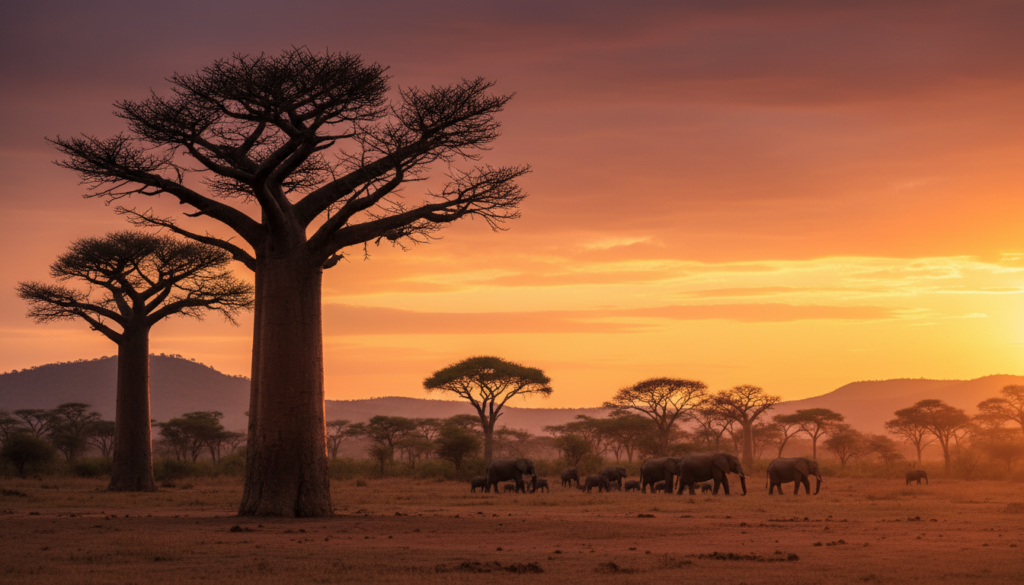
Baobab trees (Adansonia digitata) are Africa’s most iconic and revered. Their huge trunks can hold lots of water, helping them survive tough conditions. In Tanzania, especially in Tarangire National Park, these trees stand out.
The baobab trees mean a lot to local communities. They’re seen as sacred, tied to spiritual beliefs and traditions. These trees give both physical and spiritual nourishment.
The Cultural Significance of the Tree of Life
The baobab is called the “tree of life” for its many uses. Its fruit, leaves, and seeds are food, offering vital nutrients. They also provide shelter and homes for many animals, from birds to big creatures.
In Tanzania, baobab trees are believed to have spiritual powers. They’re used in medicine and seen as symbols of good luck and wealth. Their cultural importance is deeply woven into people’s lives.
Some of the cultural uses of baobab trees include:
- Traditional medicine
- Food source
- Spiritual and religious practices
- Shelter and habitat for wildlife
How Baobabs Shape the Tarangire Environment
Baobab trees are key to Tarangire’s environment. Their roots help keep the soil stable, preventing erosion and keeping soil quality good. They also create shade and affect local rain patterns.
The presence of baobabs boosts local biodiversity. They offer homes to many species, including birds, bats, and insects. This supports the food chain.
| Ecological Role | Description |
|---|---|
| Soil Stabilization | Baobab roots help prevent soil erosion |
| Microclimate Regulation | Baobabs provide shade and influence local rainfall |
| Biodiversity Support | Habitat for various species, supporting the food chain |
Understanding the Tarangire Elephant Population
The Tarangire National Park is famous for its elephant population. It’s a great place to see these amazing animals in their natural home.
Migration Patterns and Seasonal Movements
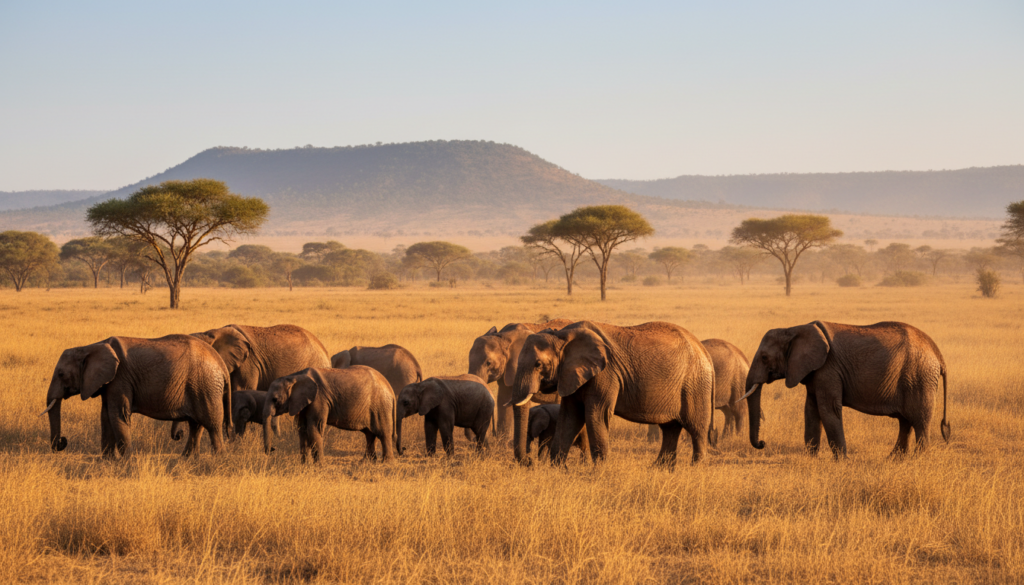
The Tarangire elephants migrate impressively. In the dry season, they gather around the Tarangire River. This river is their main source of water.
When the rains come, they move out to find food and water. Their movements are based on where they can find resources.
Seasonal movements are influenced by the availability of resources. The wet season brings lush vegetation, allowing the elephants to spread out across the landscape. In contrast, the dry season sees them returning to the river and its surrounding areas.
Observing Elephant Social Structures
Elephant social structures are complex and fascinating. These animals live in matriarchal herds, led by the oldest female. Observing these herds provides insights into their social behavior, including cooperation, communication, and family bonds.
The social bonds within an elephant herd are strong. Female elephants often remain in their natal herd for their entire lives, while males will eventually leave to live solitary lives or form bachelor groups.
Conservation Challenges Facing the Herd
Despite their resilience, the Tarangire elephants face numerous conservation challenges. Habitat loss and human-wildlife conflict are significant threats, as agricultural expansion and urban development encroach on their habitat.
Conservation efforts are underway to protect the Tarangire elephant population. These include anti-poaching initiatives, habitat protection, and community-based conservation programs that aim to reduce human-wildlife conflict.
Wildlife Diversity Beyond the Giants
Tarangire is full of life, with more than just elephants. It has many different habitats that support a wide variety of species. This makes it a great place for those who love wildlife.
Predator Sightings: Lions, Leopards, and Cheetahs
Tarangire is famous for its big cats like lions, leopards, and cheetahs. These animals live in different parts of the park, from open fields to dense forests.
Lions are easy to spot, often resting in the shade or hunting in the open. Leopards are harder to find but can be seen in the forest, where their spots blend with the shadows.
| Predator | Habitat | Notable Behavior |
|---|---|---|
| Lions | Open grasslands and savannahs | Social animals, often seen in prides |
| Leopards | Wooded areas and rocky outcrops | Nocturnal and solitary, with exceptional climbing abilities |
| Cheetahs | Open plains and grasslands | Diurnal hunters, known for their speed |
Birdwatching Opportunities in the Wetlands
The wetlands in Tarangire are perfect for birdwatchers. Many different birds can be seen here, both year-round and during migrations.
Look out for waterbirds like herons and egrets, as well as birds of prey like eagles. The wetlands’ plants provide a home for many species, making it great for birdwatching.
Rare Species and Endemic Wildlife
Tarangire is home to many rare and unique animals. Its mix of habitats supports species found nowhere else. This makes the park very important for conservation.
Some rare animals include the African wild dog and certain antelopes. Efforts are being made to protect these and other species, keeping Tarangire’s ecosystem healthy for the future.
The Best Time for a Dry Season Tanzania Safari
Tanzania’s dry season is perfect for seeing wildlife in their natural home. Knowing the difference between the dry and green seasons can make your safari better.
Why the Dry Season is Peak Viewing Time
The dry season, from June to October, is the best time to see animals. Wildlife gathers around water sources, making them easy to find. The dry ground also lets you see animals more clearly.
The weather is usually dry and not too hot, with temperatures between 20°C to 30°C (68°F to 86°F). This is great for both visitors and animals.
What to Expect During the Green Season
The green season, from November to May, is wet and lush. It’s not as popular for safaris because of the rain and greenery. But, it has its own perks.
The landscape is beautiful, and you can see more birds. Migratory birds come during this time, making it perfect for birdwatching.
Weather Patterns and Temperature Variations
Tanzania’s weather changes a lot between the dry and green seasons. Knowing this helps you get ready for your trip.
| Season | Months | Weather | Temperature Range |
|---|---|---|---|
| Dry Season | June to October | Dry and mild | 20°C to 30°C (68°F to 86°F) |
| Green Season | November to May | Rainy and lush | 15°C to 25°C (59°F to 77°F) |
By knowing these weather patterns, you can plan your safari better. This way, you’ll enjoy Tanzania’s national parks more.
Navigating the Tarangire Ecosystem
Tarangire’s ecosystem is a complex web of life. The Tarangire River and swamp systems are key. They support a wide variety of wildlife all year round.
The park’s habitats vary, from riverine forests to expansive swamps. These habitats are connected, creating a balance that supports the park’s biodiversity.
The Role of the Tarangire River
The Tarangire River is vital, providing water for many animals. In the dry season, it’s a lifeline for animals. The river’s presence is crucial for the survival of many species, like the large elephant herds.
Exploring the river shows its impact on the landscape. The lush riverine forest contrasts with the drier areas. This contrast shows the river’s role in shaping the ecosystem and supporting diverse wildlife.
Swamp Systems and Their Importance
The park’s swamp systems are also crucial. They store water during the rainy season and release it slowly in the dry months.
These swamps are vital for wildlife, especially during droughts. The swamps also support a wide range of birdlife, attracting birdwatchers and nature enthusiasts.
Exploring Tarangire shows the river and swamp systems’ importance. Conservation efforts here are key to preserving the ecosystem’s balance.
Top Safari Activities in the Park
As we explore Tarangire, the variety of safari experiences is clear. The park is famous for its diverse landscapes and rich wildlife. It’s perfect for nature lovers and adventure seekers.
Tarangire National Park offers many activities to enjoy its natural beauty. You can see wildlife or relax in the untouched wilderness. Each activity gives a special view of the park’s ecosystems.
Classic Game Drives
Classic game drives are a key part of the Tarangire Safari. These drives let you see the park’s vast landscapes and amazing wildlife. Guided by experienced rangers, you can spot many animals, like elephants and predators.
Game drives happen in the early morning and late afternoon. This is when animals are most active. The guides share interesting facts about the animals and their homes, making the experience better.
Walking Safaris for an Immersive Experience
Walking safaris give you a closer connection with nature. Accompanied by armed guides, you can explore the park’s plants and animals on foot. This way, you learn more about the ecosystem.
Walking safaris let you see the small details of the wilderness. You can notice unique plants and animal tracks. It’s an adventurous way to see the natural world.
Night Drives and Nocturnal Wildlife
Night drives are exciting for seeing Tarangire’s wildlife at night. With spotlights, you can spot animals that are hard to see during the day. The thrill of encountering creatures under the stars makes the safari even more thrilling.
Night drives are led by guides who know how to find and identify nocturnal animals. It’s a chance to see the park’s hidden creatures and learn about their lives.
Choosing the Right Accommodation
Finding the right place to stay can make your Tarangire safari even better. It gives you a comfy spot to see the park’s wildlife and views. Tarangire has many places to stay, for every taste and budget.
Think about what you want most. Do you want luxury, something affordable, or to be green? There’s something for everyone.
Luxury Tented Camps
Luxury tented camps mix adventure with comfort. They have big tents, private bathrooms, and great food. Plus, you get tours with expert guides.
These camps offer a special mix of adventure and luxury. You get to enjoy Tarangire’s beauty while being very comfortable.
Mid-Range Lodges and Their Amenities
Mid-range lodges are a good middle ground. They have comfy rooms, meals, and sometimes pools or walks. They’re perfect for those who want a nice stay but don’t want to spend too much.
These lodges are great for those who want a cozy stay. They’re friendly and can teach you a lot about the local wildlife and nature.
Eco-Friendly Campsites
Eco-friendly campsites are for those who love the outdoors. They try to be green and offer a real nature experience. They have simple facilities to keep things natural.
These camps let you really feel the outdoors. They have basic things to help you enjoy nature in a simple way.
| Accommodation Type | Luxury Level | Environmental Impact | Typical Amenities |
|---|---|---|---|
| Luxury Tented Camps | High | Moderate | En-suite bathrooms, fine dining, guided tours |
| Mid-Range Lodges | Medium | Moderate | Comfortable rooms, meal services, sometimes pools or guided walks |
| Eco-Friendly Campsites | Low to Medium | Low | Basic facilities, immersive natural experience |
Choosing where to stay in Tarangire depends on what you like. Think about what’s important to you. This way, you can pick the best place for your safari.
Essential Packing List for Your Adventure
Going on a Tarangire Safari means you need to plan ahead. You should pack right for the weather, terrain, and activities. This will make your trip better.
Clothing Recommendations for Safari Conditions
Clothing should be practical and protect you from the weather. Wear neutral colors to blend in and avoid scaring animals. Here’s what to pack:
- Lightweight, breathable clothes for hot days
- Warm layers for cooler times
- Waterproof gear for rain
- Sturdy, comfy shoes for walking
Choose clothes that are comfy and useful for your safari.
Gear and Equipment for Wildlife Spotting
Some gear is key for seeing wildlife. You’ll need:
- Binoculars for a closer look
- A good camera with a telephoto lens
- A field guide to identify animals
Health and Medical Essentials
Health is important for your safari. Talk to a doctor about shots and meds for Tanzania. Also, pack:
- Personal meds and a prescription copy
- Insect repellent for bugs
- A basic first-aid kit
These steps keep your trip safe and fun.
Photography Tips for Capturing Wildlife
Capturing Tarangire’s wildlife through photography needs skill and patience. As we explore this Tanzanian national park, we find endless chances to take stunning photos of its animals.
Understanding your gear and the environment is key. The right camera settings can greatly improve your photos of Tarangire’s moving animals.
Best Camera Settings for Moving Subjects
For photos of moving animals like elephants or antelopes, a fast shutter speed is vital. Set your camera to at least 1/1000th of a second to freeze their motion.
Also, a telephoto lens with 200mm or more is great. It lets you take photos from a safe distance without disturbing the animals. This is especially useful in Tarangire, where the animals are used to vehicles but still need respect.
Lighting Considerations in the African Bush
Lighting is crucial in wildlife photography. The golden hours of early morning and late afternoon offer soft, warm light. This light makes Tarangire’s landscape and animals look their best. Plan your game drives for these times to get the best light.
The harsh midday sun can make shadows and highlights unflattering. If you’re out then, look for shaded spots or use your vehicle’s shade to adjust your camera settings.
With the right camera settings and knowledge of Tarangire’s lighting, you can capture its beauty. This will show the true essence of this amazing ecosystem.
Conservation Efforts and Community Impact
We know that saving Tarangire’s wildlife and nature depends on good conservation plans. As visitors, you join a community dedicated to protecting our planet.
The Tarangire ecosystem is full of life, including the famous Tarangire elephants. To keep these animals and their homes safe, many conservation projects are happening.
Protecting Wildlife Through Anti-Poaching Initiatives
Stopping poaching is key to Tarangire’s conservation. This work includes watching wildlife, working with local people, and helping the police.
- Intelligence gathering to identify and disrupt poaching networks
- Community outreach programs to educate local residents about the importance of conservation
- Collaboration with law enforcement agencies to prosecute poachers
Supporting these anti-poaching efforts helps keep Tarangire’s amazing animals alive.
Empowering Local Communities Through Sustainable Tourism
Tourism can help local communities and protect nature. By visiting Tarangire National Park, you help the local economy and encourage community care for the environment.
Here’s how tourism helps local communities:
- Creating jobs and economic opportunities in the tourism sector
- Supporting local businesses and entrepreneurship
- Promoting cultural exchange and understanding between visitors and local residents
Exploring Tarangire reminds us of the need for responsible tourism. Together, we can secure a future for this incredible place.

Safety Guidelines for Safari Travelers
Going on a Tarangire Safari means knowing about safety. It’s not just about keeping you safe. It’s also about protecting the wildlife and their homes.
Interacting with Wildlife Responsibly
It’s important to stay far from animals. Keeping a safe distance keeps you safe and doesn’t stress the animals. Guides are trained to keep things safe and fun. Always listen to them and watch your surroundings.
Health Precautions and Vaccinations
See a doctor before your safari. They can tell you what shots and meds you need. They might suggest shots for yellow fever and hepatitis A, and meds for malaria.
Following these safety tips makes your safari better for everyone. It’s a team effort. Travelers, guides, lodges, and conservation all play a part.
Combining Tarangire with Other Northern Circuit Parks
To fully experience Tanzania’s wildlife and landscapes, think about visiting Tarangire with other Northern Circuit parks. This region has diverse ecosystems, each with its own beauty and attractions.
Visiting Tarangire and Ngorongoro Crater together is especially compelling. The crater, a UNESCO World Heritage Site, is famous for its dense wildlife and unique landscape. This combination lets you deeply understand Tanzania’s natural heritage.
Linking Tarangire with Ngorongoro Crater
Ngorongoro Crater is close to Tarangire National Park, making it a great addition to your safari. The crater’s floor is full of wildlife, contrasting with Tarangire’s open landscapes. This mix offers a rich safari experience, with chances to see many animals in different settings.
The synergy between Tarangire and Ngorongoro Crater is clear during the dry season Tanzania safari. In dry times, animals gather near water, making them easier to see.
Extending Your Trip to the Serengeti
For a longer safari adventure, consider visiting the Serengeti National Park. The Serengeti is known for its wildebeest migration, a unique African spectacle. Adding the Serengeti to your trip with Tarangire and Ngorongoro makes your Tanzanian safari even more memorable.
The Great Migration, a highlight of the Serengeti, shows nature’s enduring power and beauty. Seeing this event is a lifetime experience for many.
By planning your trip to include Tarangire, Ngorongoro Crater, and the Serengeti, you get a full Northern Circuit safari. This trip showcases Tanzania’s best wildlife and landscapes.
Cultural Experiences Near the Park Borders
Exploring Tarangire’s outskirts reveals Tanzania’s rich cultural diversity. The areas around Tarangire National Park let us dive into local culture. This gives us a deeper look at the region’s heritage.
Visiting Local Maasai Villages
Visiting a Maasai village gives us a peek into Tanzania’s iconic tribe. The Maasai are known for their unique clothes, traditional medicine, and bond with nature. As guardians of their ancestral lands, they show us how to live in harmony with nature.
In a Maasai village, we’re greeted with dances and ceremonies. These moments help us understand Maasai culture. They also support local communities through tourism.
“The Maasai people’s connection to their land and their traditions is truly inspiring. It’s a powerful reminder of the importance of preserving cultural heritage.”
Understanding Traditional Tanzanian Lifestyles
Outside Maasai villages, Tarangire’s area is home to diverse communities. Each has its own traditions and lifestyle. Learning about these lifestyles broadens our view of Tanzania’s cultural variety.
Tanzanian communities are famous for their welcoming nature. By connecting with them, we learn about their daily lives. This enriches our travel and helps the local economy.
Immersing ourselves in local culture deepens our appreciation for people, traditions, and land. This experience enhances our Tarangire Safari, offering a full view of Tanzania’s heritage.
Conclusion
Reflecting on Tarangire Safari, we see the amazing Tarangire elephants and wildlife. The unique landscape, with iconic baobab trees, makes it a stunning place for adventure.
Exploring Tarangire National Park shows us a hidden treasure in Tanzania’s Northern Circuit. It’s full of life and beauty. We suggest you go on a journey to Tarangire, where the African wilderness awaits.
Every moment in Tarangire is a chance to discover something new. From the elephants’ migrations to the birdlife in wetlands, it’s all about discovery. As you plan your Tarangire Safari, dive into this incredible ecosystem.
With its wildlife, landscapes, and cultural experiences, Tarangire Safari is unforgettable. We’re sure the memories of Tarangire’s elephants and landscapes will last long after your trip ends.
FAQ
The dry season Tanzania safari months, from late June to October, are the best. During this time, Tarangire wildlife gathers at the Tarangire River. This is the only permanent water source, making it easy to see animals.
Tarangire is known as the “Elephant Capital.” In the dry months, huge herds of elephants gather by the river. It’s a rare chance to see their social structures and migrations up close, surrounded by baobab trees Tanzania is famous for.
Baobab trees are called the “Tree of Life.” They are crucial for survival during drought. Elephants use their tusks to get water from the bark. The trees also provide homes for birds, supporting the park’s biodiversity.
Beyond elephants, we see lions, leopards, and sometimes cheetahs. The park is home to unique antelopes and over 500 bird species. The Silale Swamps are a birdwatcher’s dream.
Yes, U.S. citizens need a tourist visa. You can get one online before you go or at the airport. Make sure your passport is valid for at least six months after your trip.
Walking safaris are a unique way to see the wilderness. Tarangire is one of the few places where we can do this. With a guide, you can explore the bush and get close to nature.
Pack neutral-colored clothes to blend in and stay cool. Bring layers for the morning drives. Don’t forget binoculars and a good camera to capture the wildlife and landscapes.
Absolutely. We often plan trips that start in Tarangire. Then, we go to the Ngorongoro Crater or Serengeti. Tarangire is a great introduction to Tanzania’s wilderness.

Continue Reading
Serengeti Safari: Everything You Need to Know Before You Go
Embark on an unforgettable Serengeti Safari adventure. Our guided tours offer authentic wilderness experiences in Tanzania.
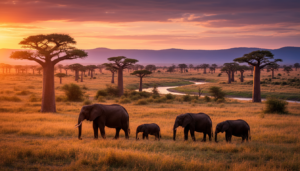
Tarangire Tanzania: The Complete Park Guide for 2026
Uncover the secrets of Tarangire Tanzania, a premier safari park teeming with iconic African wildlife.
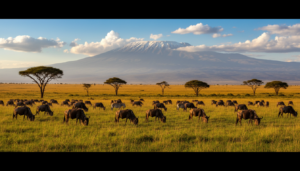
Best Time to Visit Tanzania: Month-by-Month Wildlife and Weather Guide
Discover the best time to visit Tanzania for unparalleled wildlife viewing and ideal weather conditions. Our month-by-month guide...