The
Serengeti.
The largest ecosystem in Africa. 1.5 million wildebeest. The Mara River crossings. Everything else in Tanzania is measured against it.
Where you are in the Serengeti determines what you see. Camp position is the single decision that everything else follows from.
Where you are determines what you see.
The most sought-after camp positions in East African safari sit in the Lamai Wedge and the Kogatende area — adjacent to the primary Mara River crossing zones. From July to October, that proximity is the difference between watching a crossing and reading about one.
A camp in central Seronera gives a fundamentally different experience. Both are in the Serengeti. They are not the same safari.

Position determines your access.
We select camp positions for your exact travel dates against real-time intelligence from our guides in the field — where the herds actually are that week, not where a brochure says they should be.
The recommendation is made without financial influence from any camp. Your dates and the wildlife decide it.

What the ecosystem holds.

The big cats
Lion, cheetah and leopard at the highest densities in Tanzania — Seronera's kopjes are built for them.

The Migration
1.5 million wildebeest and 250,000 zebra in a single, continuous, year-round movement.

Giants & herds
Elephant, buffalo and giraffe across woodland and plain — the resident cast that never leaves.

An ecosystem, not a park boundary.
The Serengeti is most accurately understood as an ecosystem of roughly 30,000 km² — spanning the national park, the Ngorongoro Conservation Area, and the Masai Mara across the border. The animals have never read the map. Planning a route that respects that is what separates a good trip from a great one.
What is actually happening, and when.
The Serengeti rewards timing. Three windows define the year — your dates point to a region, and the region points to a camp.
The river crossings
Herds mass at the Mara River around Kogatende and the Lamai Wedge. The defining spectacle.
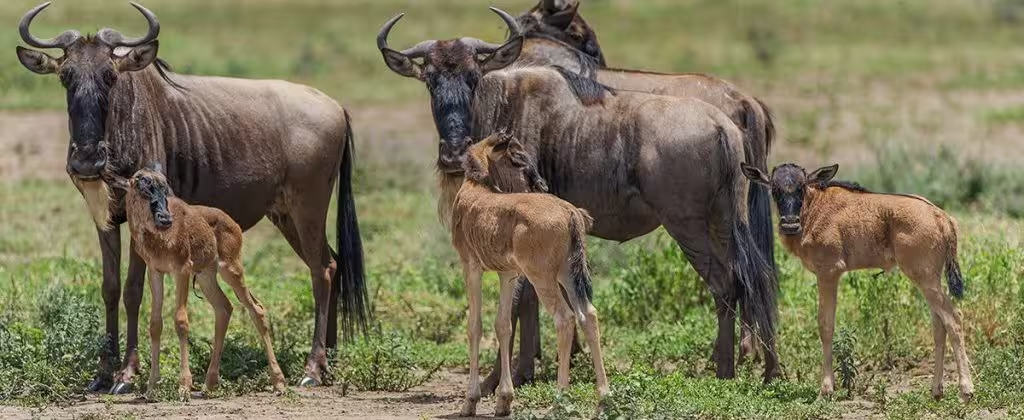
Calving season
Half a million calves born on the southern short-grass plains around Ndutu. Predators follow.

The green season
Lush plains, newborn life, dramatic skies and far fewer vehicles. The connoisseur's window.
Everything else in Tanzania is measured against the Serengeti.
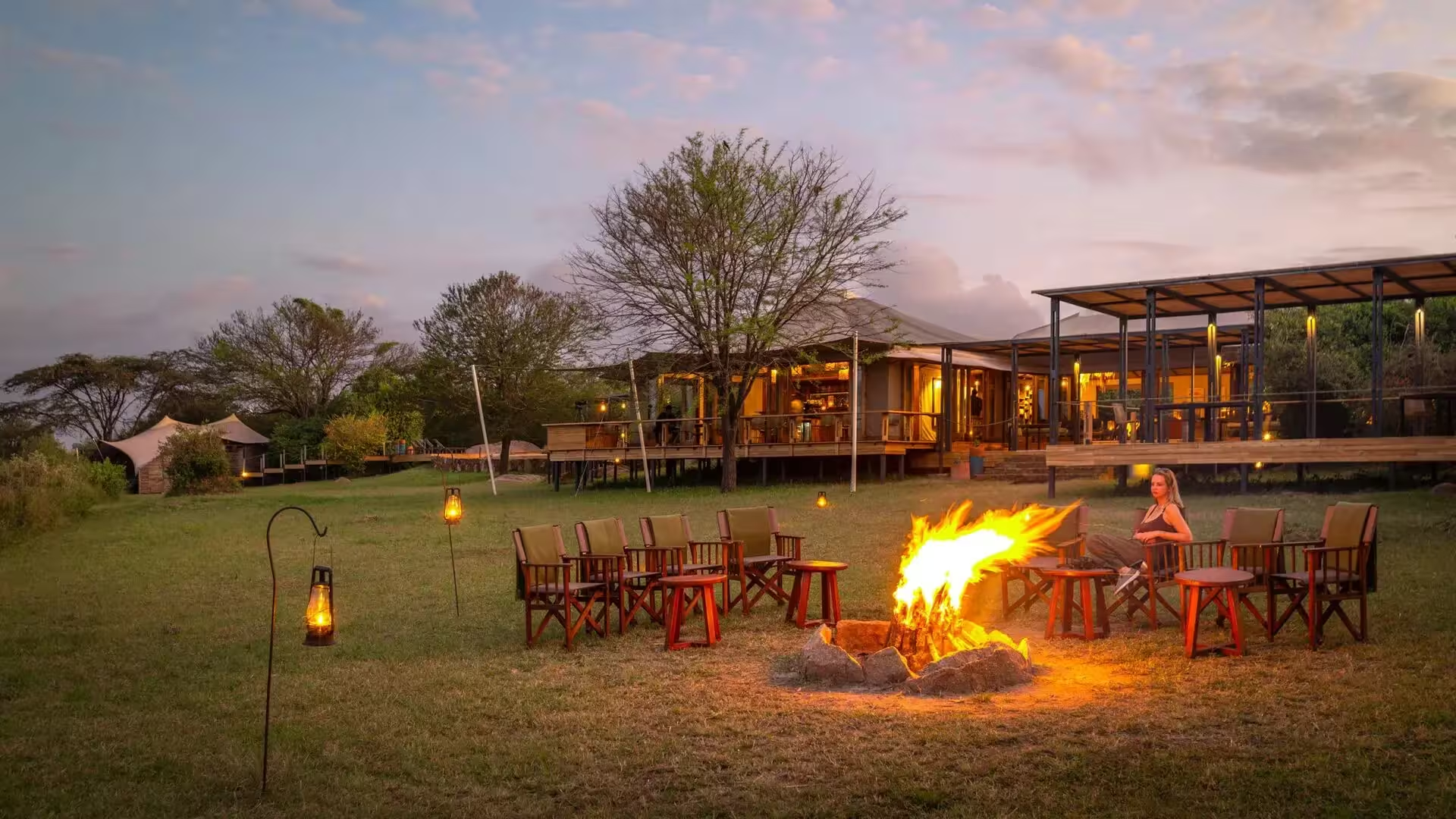
Let's place you in the right
part of the Serengeti.
Send us your dates and we'll match them to where the wildlife actually is — and the camp position that puts you closest to it.