- The full range of what the country contains.
- Combining the north, south, mountain, and island.
- Tell us what calls to you.
- The architecture of a Tanzania trip.
- Understanding the options.
- When to go — by experience type.
- What we ask of guests — and of ourselves.
- The first step.
- Let's design yourExplore Tanzania experience.

Explore the full range of Tanzania
The most visited twenty percent contains most of the world's understanding of Tanzania safari. The other eighty percent — the southern circuit, western lakes, mountain forests, Indian Ocean archipelago — is less known, more remote, and in several respects more extraordinary.
The full range of what the country contains.
The northern circuit — Serengeti, Ngorongoro, Tarangire, Manyara — is approximately twenty percent of what Tanzania contains. The southern circuit parks hold wildlife populations the north cannot replicate: Tanzania's largest elephant population, more reliable wild dog, the Rufiji River boat safari, and the solitude of a full morning drive without another vehicle.
The western parks — Mahale Mountains and Gombe Stream — hold the highest-quality chimpanzee tracking in East Africa. Habituated communities, one permitted hour per day, in forest above Lake Tanganyika. Consistently described as the most intimate wildlife encounter in Africa.

Combining the north, south, mountain, and island.
The complete Tanzania circuit — all components — requires minimum 20 days. Most clients build toward it over multiple visits: northern circuit first, then southern or Kilimanjaro, then specialist parks. The progression typically takes 3–5 years of return travel.
For single-trip combinations: northern circuit + Kilimanjaro + Zanzibar fits in 14–18 days. Northern + southern via Dar fits similarly. The three-component combination requires 20+ days with careful sequencing: mountain first, southern second, northern third, Zanzibar last.
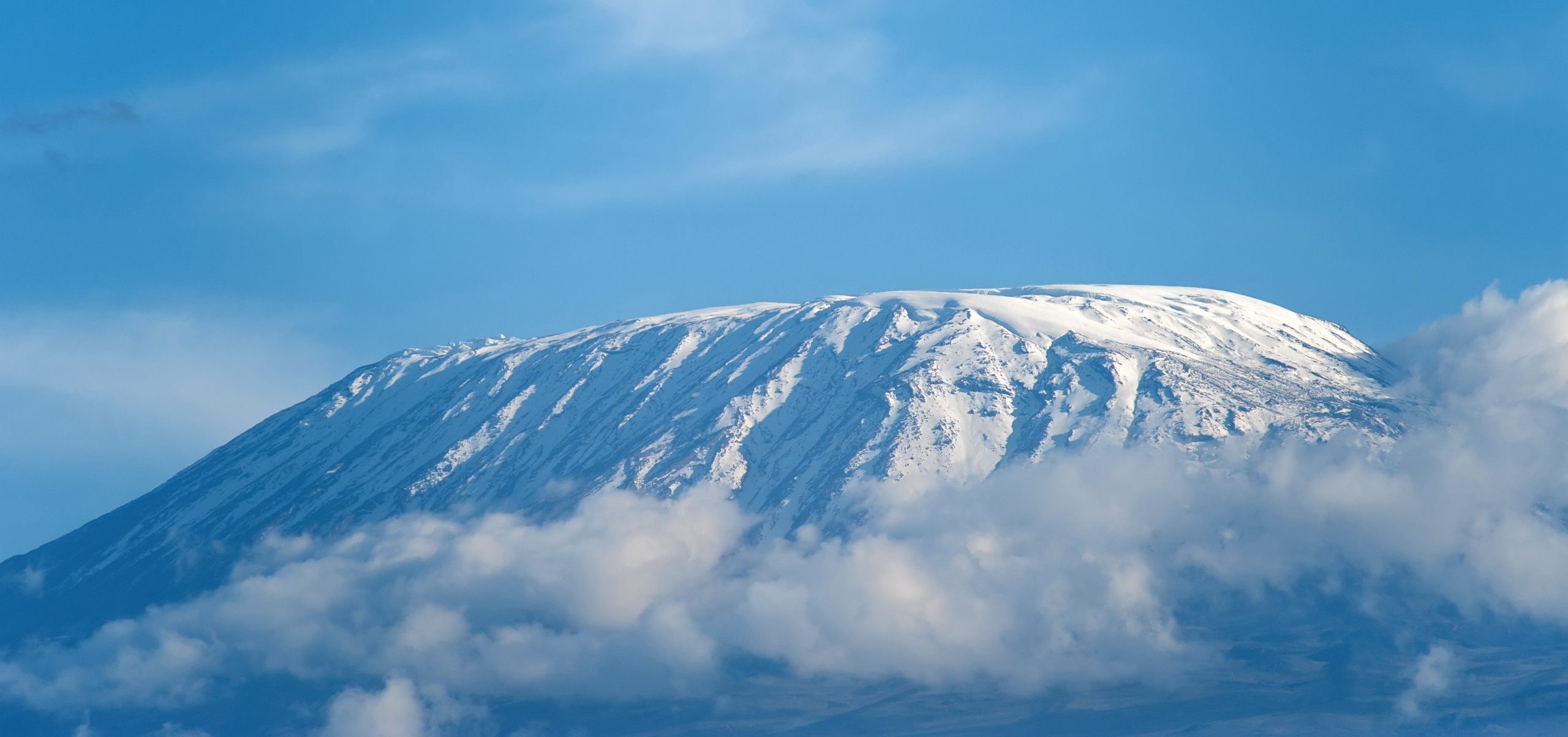
Tell us what calls to you.
We design circuits from the northern classic to the most remote combination. Every circuit begins with a conversation about what you want to observe.


The architecture of a Tanzania trip.
A Tanzania itinerary is a sequence of decisions about time, transition, and pacing. Which parks complement each other ecologically. How many hours in a vehicle before the experience degrades. Which camps sit at the junction of two habitats. The explore section is a reference tool, not a booking catalogue. Browse by destination, activity, or month. When you have a working sense — or even when you don't — use the enquiry form. Itineraries are built from conversation, not template.
Understanding the options.
Tanzania has more UNESCO World Heritage Sites than any country in East Africa. The largest game reserve in Africa, the deepest lake in Africa, the highest peak in Africa, and the most biodiverse marine park system in the Indian Ocean. The challenge is not too little — it is too much.
We build around a clear answer: what do you actually want most? Wildlife at its most dramatic — Serengeti. Remoteness and walking — Ruaha or Mahale. Altitude — Kilimanjaro. Coast and reef — Zanzibar or Mafia. The answer determines everything else.

When to go — by experience type.
June through October is optimal for most experiences: dry conditions, good roads, Mara River crossings Jul–Aug, clear skies for photography, ideal beach conditions on Zanzibar simultaneously.
January–February is correct for Serengeti calving grounds south of Ndutu. Predator activity during calving is the most sustained of the year. Also the best time for the Pemba Channel hammerhead season.

What we ask of guests — and of ourselves.
Tanzania's wildlife exists because adjacent communities have agreed to coexist with wildlife rather than convert habitat. The economic case for conservation depends on whether tourism money reaches those communities.
We direct a specific amount of every booking to community programmes — not a percentage rounded to a marketing figure. The community school at Tarangire buffer zone was built with a four-year commitment from Pori Africa guests. Details available on request.
The correct use of a field journal is not to describe what happened, but to give the reader enough context that they can imagine being there.


The first step.
Every trip we have built started with a conversation, not a form. When the picture is clear enough — or even when it is not — use the enquiry page to open a dialogue. We respond within one working day. We do not send unsolicited follow-ups. If we have not heard back, it means the timing was not right. When it is right, we are here.
The most visited twenty percent contains most of the world's understanding of Tanzania safari.

Let's design your
Explore Tanzania experience.
Send us your travel window and we'll build it around exactly what you came to see — and handle every detail on the ground.