
How Long Is a Kilimanjaro Safari? Combining the Climb With Wildlife
- Understanding the Kilimanjaro and Safari Combo
- How Long Is The Kilimanjaro Safari?
- Factors Influencing Your Total Trip Duration
- Choosing the Right Kilimanjaro Climbing Route
- Selecting Your Ideal Safari Destinations in Tanzania
- Logistics of Transitioning from Mountain to Savannah
- Physical Preparation for a Dual-Adventure Itinerary
- Best Times of Year for Climbing and Wildlife Viewing
- Budgeting for Your Kilimanjaro and Safari Expedition
- Essential Gear for Both Environments
- Health and Safety Considerations for East Africa
- Cultural Etiquette and Local Experiences
- Conclusion
- FAQ
Planning a trip to Tanzania needs careful planning. Many travelers want to mix a Kilimanjaro and safari combo. This mix balances the physical challenge of climbing with the quiet joy of watching East African wildlife.
We help guests pick the perfectly paced Kilimanjaro itinerary. This ensures your mountain time flows smoothly into the vast plains.
Knowing how long your trip will take is key. We aim to help you understand how to balance these two unique experiences. This way, you can make the best choices for your next adventure.
Key Takeaways
- Select a route that allows for proper altitude acclimatization.
- Allocate at least three days for wildlife viewing after your descent.
- Combine high-altitude trekking with low-altitude game drives for variety.
- Consider seasonal migration patterns when scheduling your visit.
- Prioritize rest between your mountain climb and bush exploration.
Understanding the Kilimanjaro and Safari Combo
Africa’s highest peak and the thrill of seeing wildlife in their natural home make the Kilimanjaro and safari combo appealing. This mix lets travelers see the best of Tanzania’s varied landscapes. From Kilimanjaro’s rugged beauty to the savannah’s wildlife, it’s a unique experience.
Exploring this combo reveals its unique charm. The Northern Circuit of Tanzania, with Kilimanjaro and famous national parks, offers a rich and diverse journey.
The Appeal of the Northern Circuit
The Northern Circuit boasts varied landscapes and rich wildlife. Kilimanjaro National Park contrasts with the savannahs of Serengeti and Ngorongoro. This mix attracts those wanting a full Tanzanian adventure.
| Location | Main Attractions | Unique Features |
|---|---|---|
| Kilimanjaro National Park | Mountain trekking, scenic views | Africa’s highest peak, diverse climates |
| Serengeti National Park | Wildlife viewing, Great Migration | Endless plains, abundant wildlife |
| Ngorongoro Conservation Area | Wildlife sanctuary, crater tour | Unique crater landscape, high wildlife density |
Why Combine Mountain Trekking with Wildlife Safaris
Mountain trekking and wildlife safaris together offer a mix of adventure and discovery. After climbing Kilimanjaro, travelers can see the Great Migration in the Serengeti or visit the Ngorongoro Crater. This blend provides a varied adventure and deepens appreciation for Tanzania’s natural wonders.
This combination allows for a smooth transition from Kilimanjaro’s rugged terrain to the open plains of the safari. It makes for a memorable Tanzanian journey.
How Long Is The Kilimanjaro Safari?
The time you spend on a Kilimanjaro safari depends on your plans and what you like. A good trip mixes climbing Kilimanjaro with a safari. This way, you get to enjoy both without feeling rushed.
Typical Duration for a Balanced Itinerary
A typical safari and climb combo lasts 10 to 14 days. You can climb for 5 to 7 days, depending on the route. Then, you have 3 to 5 days for the safari.
For example, a 12-day trip might include a 6-day climb on the Lemosho route. After that, you spend 4 days on safari in the Serengeti and Ngorongoro Crater. This mix gives you enough time to get used to the high altitude and see lots of wildlife.
| Itinerary Component | Duration (Days) | Description |
|---|---|---|
| Climb Kilimanjaro | 5-7 | Ascent via chosen route (e.g., Lemosho, Machame) |
| Safari Adventure | 3-5 | Game drives in selected parks (e.g., Serengeti, Ngorongoro) |
| Total Trip Duration | 10-14 | Including travel days and rest |
Short vs. Extended Safari Options
While most trips last 10 to 14 days, some people want shorter or longer trips. Short trips, around 8 days, might focus on a quick climb and a short safari. Longer trips, up to 3 weeks, let you explore more and take it easy.
Extended safaris let you see more of Tanzania’s wildlife. You can visit places like Tarangire National Park and Lake Manyara for a deeper experience.
The Impact of Travel Time Between Parks
Travel time between Kilimanjaro and the safari areas affects your trip’s length. Going from Kilimanjaro to the Serengeti by road takes hours. But, a flight cuts this time to just an hour.
When planning, remember to include travel times. This helps your trip flow smoothly from climbing to safari. Some tours use flights to save time, while others prefer the scenic road trip.

Factors Influencing Your Total Trip Duration
Several factors affect how long your Kilimanjaro and safari trip will last. Knowing these can help you plan a fun and memorable journey.
Acclimatization Requirements on Kilimanjaro
Getting used to high altitudes is key for a successful climb. The higher you climb, the more time your body needs to adjust. A typical Kilimanjaro trekking itinerary helps your body adjust slowly, lowering the risk of altitude sickness. Longer routes like Lemosho or Northern Circuit are better for acclimatization.
Important points for acclimatization include:
- Climb slowly to let your body adjust
- Take rest days to help with acclimatization
- Choose a route with a gradual increase in altitude
Wildlife Migration Patterns and Park Accessibility
Wildlife migration patterns greatly affect your safari’s timing and length. The Great Migration, for example, draws many tourists. Knowing these patterns helps plan your safari for the best wildlife viewing times.
Important factors to consider are:
- The Great Migration happens between July and August
- Check park accessibility at different times of the year
- Weather affects wildlife movement and visibility
Buffer Days for Rest and Recovery
Adding buffer days to your plan is crucial for rest after climbing Kilimanjaro. These days help you recover and get ready for the next part of your adventure.
Buffer days are good for:
- Resting after climbing Kilimanjaro
- Exploring local spots or enjoying free time
- Getting ready for the safari part of your trip
Choosing the Right Kilimanjaro Climbing Route
When you’re getting ready to climb Kilimanjaro, it’s key to know about the different routes. The right path can greatly impact your adventure. It affects how long you climb, how well you adjust to the altitude, and how much fun you have.

Machame Route: The Whiskey Route Experience
The Machame route, called the “Whiskey Route,” is known for its tough terrain and beautiful views. This route is loved by those who want a thrilling way to the top. It takes six days, which helps with adjusting to the high altitude and boosts success rates.
Lemosho Route: Scenic Beauty and Better Acclimatization
The Lemosho route is famous for its stunning views and great acclimatization. This longer route lets climbers slowly get used to the altitude. It’s perfect for those who like to take their time.
Marangu Route: The Hut-Based Alternative
The Marangu route, also known as the “Coca-Cola Route,” is the shortest way to the summit. It has huts for lodging, making it more comfortable. But, its quick climb can be tough.
Rongai Route: The Remote Northern Approach
The Rongai route comes from the north, offering a unique and less crowded climb. It’s seen as one of the easier paths but still offers a great challenge. Along the way, you can see different wildlife and landscapes.
Every route up Kilimanjaro has its own benefits and challenges. Knowing these differences helps you choose the best route for your goals and preferences. As one experienced climber said,
“The journey to Kilimanjaro’s summit is not just about reaching the top; it’s about the experience you craft along the way.”
Selecting Your Ideal Safari Destinations in Tanzania
Planning your Tanzania safari after Kilimanjaro opens up a world of amazing wildlife spots. Tanzania’s varied landscapes provide different safari adventures. You can explore the endless plains of the Serengeti or the unique landscapes of Ngorongoro, Tarangire, and Lake Manyara.
Serengeti National Park: The Great Migration Hub
The Serengeti is famous for the Great Migration. Millions of wildebeest, zebras, and gazelles move across the plains. This event is one of Africa’s most iconic wildlife spectacles.
Key Highlights:
- Witness the Great Migration
- Abundant lion, leopard, and cheetah populations
- Rich birdlife with over 500 species recorded
Ngorongoro Crater: A Unique Wildlife Sanctuary
The Ngorongoro Crater is the world’s largest intact caldera. It’s a unique sanctuary for a wide variety of wildlife. The enclosed ecosystem supports a high density of animals, making it perfect for spotting the Big Five.
Unique Features:
- The crater’s self-contained ecosystem
- High concentration of wildlife, including black rhinos
- Stunning landscapes with volcanic and grassland habitats
Tarangire National Park: The Land of Giants
Tarangire is famous for its large elephant population and ancient baobab trees. The park’s diverse habitats support a wide variety of wildlife.
Notable Attractions:
- Large herds of elephants
- Baobab trees, some over 1,000 years old
- Rich birdlife, including ostriches and eagles
Lake Manyara: Birdlife and Tree-Climbing Lions
Lake Manyara National Park is known for its tree-climbing lions and diverse birdlife. The park’s varied habitats attract a wide range of wildlife.
Highlights:
- Tree-climbing lions
- Flamingos and other waterbirds on the lake
- Diverse habitats supporting a variety of wildlife
Each destination offers a unique safari experience. You can tailor your itinerary to your interests and preferences. Whether you’re interested in the Great Migration, the Big Five, or specific landscapes, Tanzania has something for everyone.
Logistics of Transitioning from Mountain to Savannah
When we move from Kilimanjaro’s high peaks to the wide savannah, we face many challenges. The success of a Kilimanjaro safari combo depends on how well we handle this change. It’s all about managing the shift between these two very different places.
Choosing how to get from the mountain to the safari area is a big decision. We must think about the pros and cons of driving versus flying.
Ground Transportation vs. Internal Flights
Driving lets travelers see more of Tanzania’s beauty and culture. But it can be slow and tiring, especially after climbing Kilimanjaro. Flying, on the other hand, is quicker and more comfortable. It saves time and energy for the safari.
“Many travelers choose based on what they value most: comfort, time, or a real Tanzanian experience,” says a seasoned tour operator.
Managing Luggage Between Climbs and Safaris
Handling luggage is key when moving from the mountain to the savannah. Climbers pack light for Kilimanjaro. But safari clothes and gear are different. A good luggage plan means you have the right stuff for each part of your trip without extra weight.
Our tour operators help with luggage, making sure it gets from the mountain to the safari lodges smoothly. This lets travelers enjoy their adventure without worrying about luggage.
The Importance of a Professional Tour Operator
Planning a Kilimanjaro safari combo is complex. That’s why working with a professional tour operator is crucial. They handle everything from getting you there to planning your trip and being ready for emergencies.
A professional tour operator can make all the difference in making your trip smooth and fun. They let you dive into Tanzania’s stunning landscapes and wildlife without worry.
By letting experts handle the details, you can start your Kilimanjaro safari with confidence. You’ll know every part of your trip is well thought out and planned.
Physical Preparation for a Dual-Adventure Itinerary
Getting ready for climbing Kilimanjaro and going on a safari is key. You need to prepare physically to enjoy both activities. High-altitude trekking and wildlife watching require a good training plan and recovery time.
Knowing the physical needs of each activity is important. Climbing Kilimanjaro needs high-altitude endurance. Safari game drives require sustained energy levels for long periods.
Training for High-Altitude Endurance
Building high-altitude endurance needs a plan. Start with hiking, running, or cycling for 3-4 hours weekly. Increase the intensity and time as you get better.
Here’s a training plan:
- Do cardio 3-4 times a week
- Strength train 2 times a week, focusing on legs and core
- Stretch 2-3 times a week
Recovery Strategies Post-Climb
After climbing Kilimanjaro, focus on recovery. This means:
- Rest and drink plenty of water
- Eat foods rich in proteins and complex carbs
- Do gentle stretches and exercises
Think about getting a massage or physical therapy to help recover.
Maintaining Energy Levels for Safari Game Drives
To keep energy up during safari drives, focus on what you eat and drink. Eat balanced meals with proteins, carbs, and fats. Drink lots of water all day. Don’t eat big meals before driving.
Here’s a comparison of nutrition plans:
| Nutritional Approach | Benefits | Drawbacks |
|---|---|---|
| High-Protein Diet | Helps with muscle recovery and energy | Hard to keep up with during travel |
| Complex Carbohydrates | Gives lasting energy | Can upset your stomach if not balanced |
| Hydration Focus | Crucial for health and energy | Needs constant effort all day |
Understanding the physical needs of your adventure and planning your training and recovery can make your trip great.
Best Times of Year for Climbing and Wildlife Viewing
When you plan your Kilimanjaro climb and Tanzania safari, timing matters a lot. Knowing when the weather and wildlife are best can make your trip better.
Dry Season Advantages for Trekking
The dry season, from June to October, is the best for climbing Kilimanjaro. Clear skies and dry trails make it easier and more beautiful. The weather is also more stable, which means less chance of trails being closed.
This season is great for getting used to the high altitude. The cooler temperatures and lower humidity help climbers adjust better. This can lead to a higher chance of reaching the summit.
Peak Wildlife Viewing Months
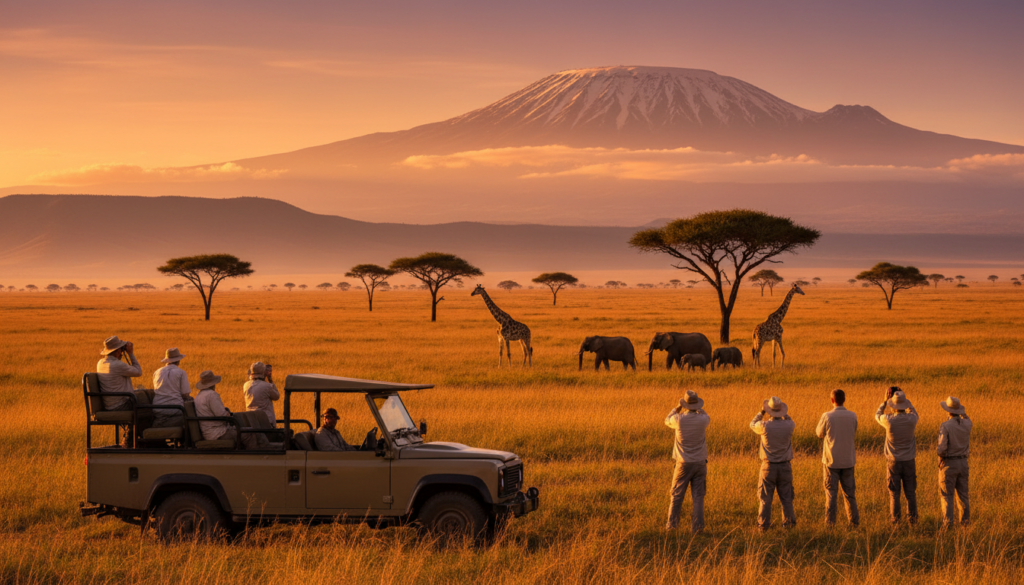
The dry season is also the best time for a Tanzania safari. Animals gather around waterholes when it’s dry, making them easier to see. The Serengeti’s Great Migration happens from July to August, but the exact dates change each year.
During these months, the Serengeti and Ngorongoro Crater are full of wildlife. This is the best time to see animals if you want to see the Great Migration.
Navigating the Long and Short Rains
The long rains are from March to May, and the short rains from November to December. These times can be tough for climbing and safaris. Trail conditions on Kilimanjaro can become hazardous due to mud and snow, and game drives may be harder because of the greenery and scattered animals.
But, these seasons have their own perks. They offer lower tourist numbers and lush landscapes. If you’re ready for the challenges, the rainy seasons can be a unique and green experience. Think about what you want before choosing the best time for your adventure.
Budgeting for Your Kilimanjaro and Safari Expedition
Planning a Kilimanjaro and safari trip needs a good budget plan. You must know all the costs involved. It’s key to break down the expenses into different parts.
Park fees and conservation costs are big parts of the budget. These fees help protect the parks and support conservation. The cost varies based on the parks and the tour type.
Park Fees and Conservation Costs
Tanzania’s park fees are vital for conservation. They help keep the parks in good shape and fund anti-poaching efforts. Parks like Serengeti and Ngorongoro have higher fees because of their importance.
| Park | Conservation Fee per Person per Day |
|---|---|
| Serengeti National Park | $70 |
| Ngorongoro Crater | $100 |
| Tarangire National Park | $55 |
Visiting many parks can increase costs. Make sure to include these fees in your budget to avoid surprises.
Accommodation Tiers: From Camping to Luxury Lodges
Accommodation costs are also important. Tanzania has many options, from camping to luxury lodges. Your choice affects your budget.
Camping is budget-friendly. But, for luxury, lodges and tented camps offer comfort. Safari tours can be customized to fit your budget and preferences.
“The right accommodation can make or break your safari experience. Choose wisely, and you’ll be rewarded with comfort and memories that last a lifetime.”
Hidden Costs: Tips, Visas, and Equipment Rentals
There are hidden costs to consider. Tips for guides, visa fees, and equipment rentals can add up.
Tipping is common in Tanzania. Budget for tips for your guides and drivers. Visa fees vary by nationality, so check ahead of time.
Equipment rentals, like camping gear, can also cost extra. Many tours include these costs in their packages. Always ask when booking.
Essential Gear for Both Environments
Getting ready for your Kilimanjaro climb and safari means knowing what gear you need. You’ll face cold mountain weather and hot savannah sun. It’s important to plan and pack the right stuff.
Technical Clothing for Sub-Zero Temperatures
For Kilimanjaro, you need high-quality, technical clothing for the cold. Look for layers that breathe, keep you warm, and are waterproof. Moisture-wicking fabrics help you stay dry and comfy. Also, get insulated, waterproof boots and warm hats and gloves.
The right clothes can really help you stay safe and comfortable. For example, a good down jacket is crucial for the cold summit night.
Lightweight Safari Attire and Sun Protection
For the safari, you’ll need lightweight, breathable clothing that guards against the sun. Wear neutral colors to blend in and see more wildlife. A wide-brimmed hat, sunglasses, and high SPF sunscreen are key for sun protection.

Also, bring comfy, sturdy shoes for walking safaris. Pack clothes that can be mixed and matched. This saves space and keeps you looking good.
Camera Equipment for Wildlife Photography
For amazing photos of Tanzania’s landscapes and wildlife, you’ll need quality camera equipment. A DSLR or mirrorless camera with a 200mm zoom lens is best for wildlife shots. A sturdy tripod is also a must for steady shots in low light.
Battery life and storage are very important. Bring extra batteries and memory cards so you don’t miss a photo. A weather-sealed camera is good for dusty or wet conditions.
Health and Safety Considerations for East Africa
Getting ready for your Kilimanjaro and safari trip means knowing about health and safety in East Africa. It’s important to take care of yourself during this adventure. This includes knowing about health risks and taking the right precautions.
Vaccinations and Malaria Prophylaxis
Before you go to East Africa, talk to your doctor about needed vaccinations. Yellow fever, hepatitis A, and typhoid vaccinations are often recommended for Tanzania. Also, think about malaria prevention since it’s common in some areas. Your doctor will help pick the right medicine based on your trip and health history.
Altitude Sickness Prevention and Management
Going up Kilimanjaro can lead to altitude sickness because of the high heights. Getting used to the altitude slowly is the best way to avoid sickness. Choose a route that goes up slowly. Drink lots of water, go up slowly, and know the signs of sickness like headaches and nausea. If sickness gets worse, going down is usually the best thing to do.
Hydration and Food Safety Standards
Drinking enough water is very important, especially at high altitudes. It helps prevent dehydration and altitude sickness. Also, follow safe food and water practices to avoid getting sick. Drink bottled or filtered water, avoid raw foods, and eat at trusted places. Paying attention to what you eat and drink can help keep you healthy on your trip.
Following these health and safety tips can help you have a safe and fun Kilimanjaro and safari trip. It’s also key to stay updated on local health advice and listen to your tour guides and doctors.
Cultural Etiquette and Local Experiences
Exploring local communities and respecting their culture can make your Tanzania safari even better after climbing Kilimanjaro. As you move from mountains to savannah, learning about local culture is key.
Interacting with Local Communities
When you meet locals on your Tanzania safari, be polite and mindful of their ways. Learning a few basic Swahili phrases, like “Jambo” (hello) and “Asante” (thank you), helps a lot.
Joining in cultural events and visiting villages is a great idea. You’ll learn about Tanzanians’ daily lives and help the local economy.
Supporting Sustainable Tourism Initiatives
Choosing eco-friendly tours and places to stay is important on a Tanzania safari. It helps reduce harm to the environment and supports conservation.
Community-based tourism projects also help. They let local people benefit from tourism, promoting cultural exchange and economic growth.
Tipping Culture in Tanzania
Tipping is common in Tanzania, especially in tourism. On your safari, tip your guides, porters, and lodge staff for their hard work.
The usual tip amount is $10 to $20 per day for guides and $5 to $10 per day for porters. Tipping shows you value their service and helps them financially.
Conclusion
Planning a Kilimanjaro safari is a big task. It needs careful thought about how long you’ll be there and how to move between climbing and safari. By thinking about these things, you can make your trip memorable and fun.
A good Kilimanjaro plan is key to a stress-free trip. We’ve shared tips on what to consider, like getting used to the high altitude and the best times to see animals.
Now you know how to plan your Kilimanjaro and safari trip well. Pick the right path to climb, choose the best places for your safari, and get ready. You’ll have an amazing time in Tanzania’s wild.
FAQ
Plan to spend 12 to 15 days to fully enjoy the region. This allows for a seven-day trek on the Machame Route. Then, you have five or six days for wildlife viewing.
Remember, acclimatization is key. Climbing Kilimanjaro slowly helps you have energy for early morning game drives in the Serengeti.
Travelers often choose to go on a Tanzania safari after climbing Kilimanjaro. It’s a great reward for the hard work of climbing. The warm Ngorongoro Crater is a nice change from the cold of Uhuru Peak.
Also, the safari’s dust and long hours can make breathing harder. It’s better to avoid this before climbing high altitudes.
The 8-day Lemosho Route is highly recommended. It offers a slow ascent and better adjustment to altitude. This ensures you’re healthy and ready for your safari.
We handle the transition by storing your safari clothes and gear in Arusha. After descending, you can change into lighter clothes. We then drive or fly you to the Serengeti, making the journey smooth.
Travel from late June to October or January to February for the best weather. The skies are clear, and wildlife is easier to spot. These months are perfect for trekking and wildlife photography.

Continue Reading
African Safari: Everything You Need to Know for Your First Trip
Embark on an unforgettable African safari adventure. Our guide covers the must-see destinations, wildlife highlights, and essential planning...
Tanzania Climate Guide: What the Weather Really Means for Your Safari
Discover Tanzania's diverse climate and how it shapes the ultimate safari experience. Explore the weather patterns that make...
Mount Kilimanjaro Safari Experience: Wildlife on Africa's Highest Peak
Join us on a Mount Kilimanjaro safari and explore the diverse wildlife that thrives on the slopes of...