- Why the beach starts with the city.
- When Zanzibar Island is not the answer.
- The Pori difference, on every zanzibar beach holiday.
- The Indian Ocean calendar and the beach season.
- The diver’s calendar for the Pemba wall.
- Plan your island extension.
- How the beach extension works.
- Honest notes on the Tanzania beach experience.
- Beyond the beach chair.
- Practical notes for families.
- Let's design yourzanzibar beach experience.
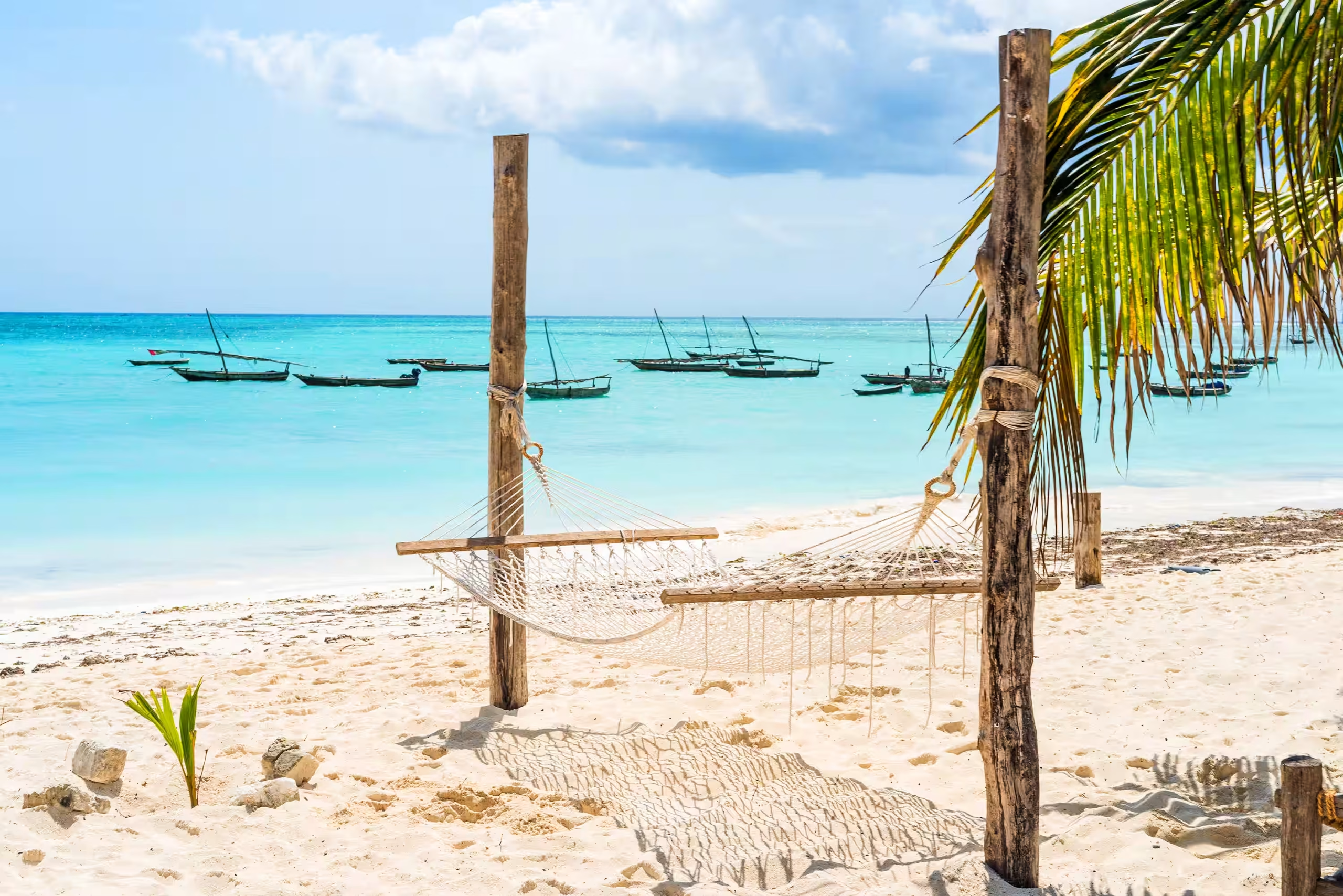


The beach
after the bush.
White sand, warm water and barefoot luxury — the natural close to a Tanzania safari.
Why the beach starts with the city.
The standard advice for a Zanzibar extension is to go directly to the beach. We recommend two nights in Stone Town before the beach, and we make this recommendation strongly enough to explain why, because the clients who follow it consistently describe it as one of the highlights of their Tanzania trip.
Stone Town is a UNESCO World Heritage Site and the most significant surviving example of Swahili Coast urban architecture in East Africa. The coral-stone buildings were constructed during the height of the Omani Sultanate of Zanzibar in the 18th and 19th centuries. The carved wooden doors — each one distinct — are a study in the meeting of Swahili, Arab, Indian, and Portuguese design traditions.
The food in Stone Town is the best argument for the two-night stay. The Swahili coast cuisine — coconut, tamarind, pilau spice, and Indian Ocean seafood developed over centuries of trade — is available at a level of quality not replicated at any beach resort property.

When Zanzibar Island is not the answer.
The Zanzibar Archipelago has three main islands — Zanzibar Island (Unguja), Pemba, and Mafia — and a number of smaller islands and atolls. Each island serves a different kind of traveller. The choice between them is not which is better in general, but which is right for the specific traveller after the bush circuit.
Pemba is the choice for serious divers who know that the Pemba Channel wall dive is among the finest deep-water wall dives in the world, and who accept the more limited accommodation in exchange for that specific dive site.
Mafia Island is the choice for the whale shark encounter — from October to March, whale sharks aggregate in the channel between Mafia and the mainland. The Mafia reef diving is excellent and completely uncrowded.

The Pori difference, on every zanzibar beach holiday.
Private & tailor-made
Built from scratch for your dates, pace and interests — never a fixed package off a shelf.
Guides who know
Local expert guides who read the bush, the season and the moment — and put you in the right place.
Every detail handled
Flights, camps, transfers and permits arranged and double-checked before you arrive.
Honest advice
Recommendations made on merit, with no financial influence from any camp or lodge.
The Indian Ocean calendar and the beach season.
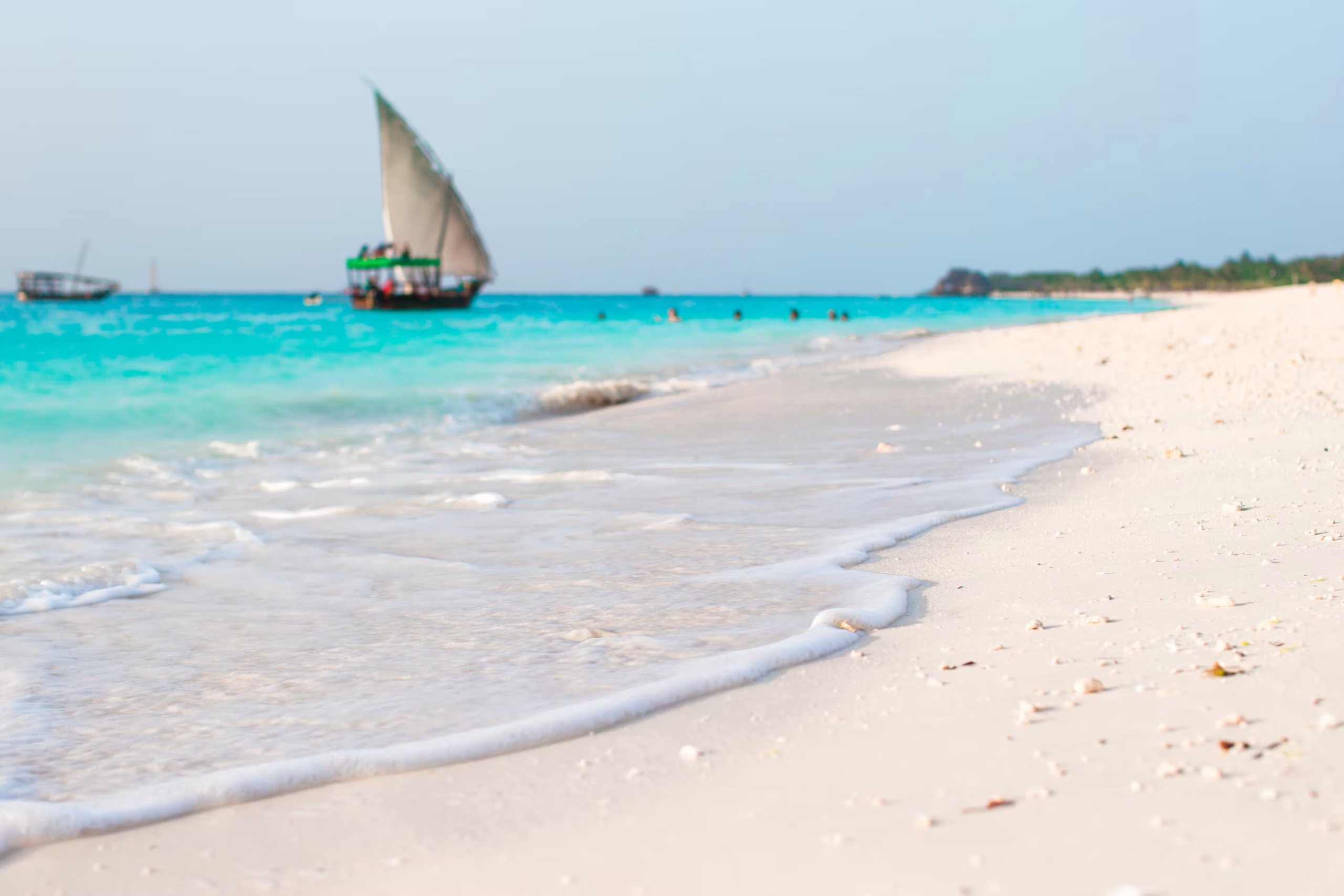
The north coast beaches — Nungwi and Kendwa — are sheltered from the southeast trade winds and swimmable year-round. The east coast — Paje and Jambiani — is better from November to March when the trades are absent.

The diver’s calendar for the Pemba wall.
Best visibility November to March — the northeast monsoon season brings upwelling cold water that extends visibility to 30–40 metres. For clients whose primary objective is the Pemba Channel dive, we recommend November to February.
Plan your island extension.
Every Tanzania safari we design includes an honest conversation about the island options — which island, which coast, which season, and which camps make the extension work.

How the beach extension works.
We route guests based on the mainland circuit they have completed. Northern parks — Zanzibar is the logical extension with a direct flight from Kilimanjaro Airport. Southern parks — Dar es Salaam to Zanzibar, or Kilwa Masoko for the most historically significant stretch of Tanzania’s coast.
Beach duration matters. Three nights is a minimum for the transition to register. The first full day is typically decompression. By day two, the rhythm has shifted. Day three is when the coast actually begins to work.

Honest notes on the Tanzania beach experience.
The Indian Ocean at this latitude is warm year-round — 25 to 29°C depending on season. The northeast coast during June–October delivers clear water, gentle surf, reliable sunshine. This is also peak season, which means the beach at Nungwi on a Saturday in August is not the solitary experience the photography suggests.
We recommend properties where solitude is structurally built in — smaller lodges, reef-front locations, or islands that simply do not have mass-market infrastructure.

Beyond the beach chair.
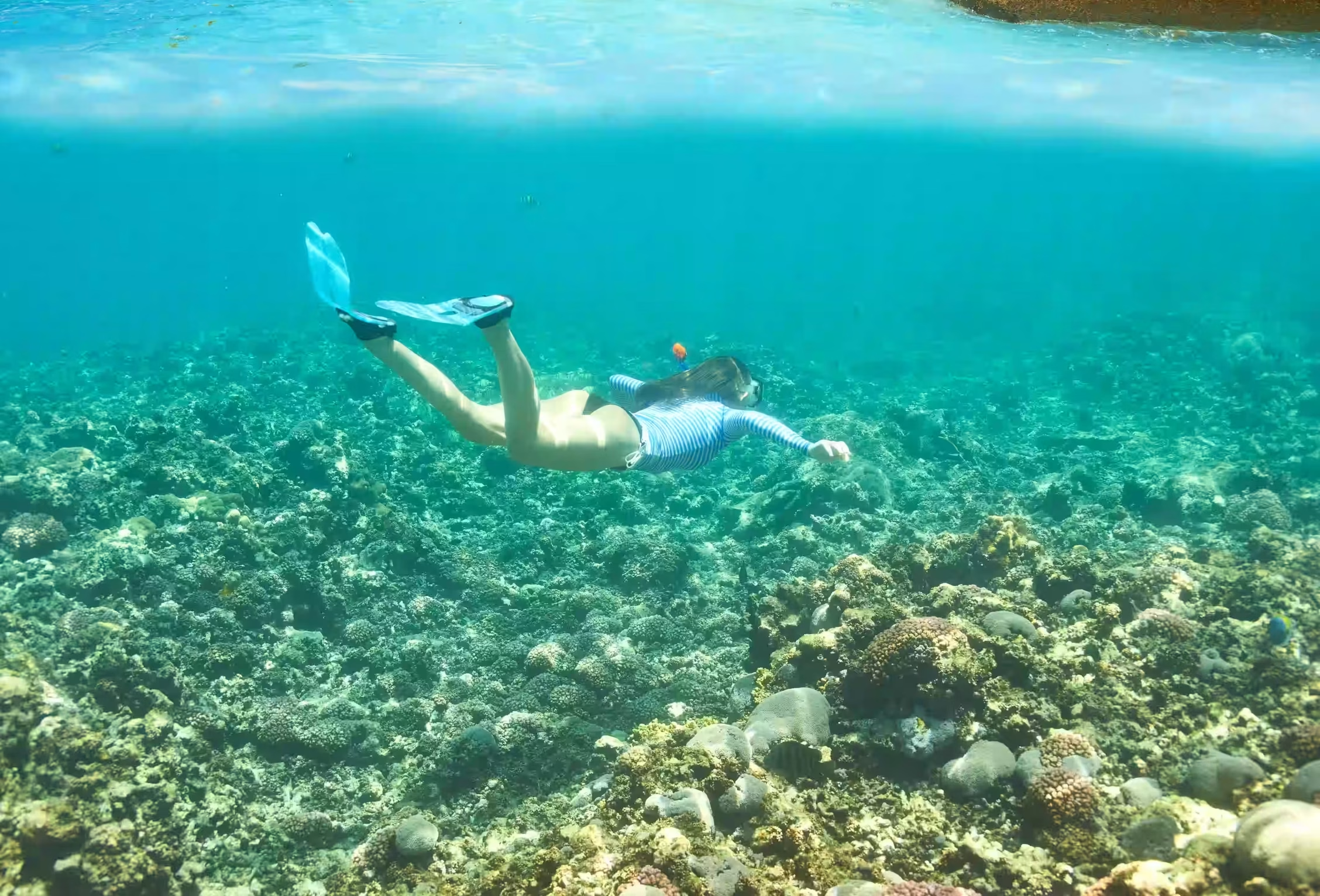
Snorkelling in Chole Bay on Mafia Island or at Mnemba Atoll requires no certification — clear water and shallow coral tables make both sites accessible to confident swimmers. Scuba diving in the Pemba Channel requires PADI Advanced Open Water as a minimum.
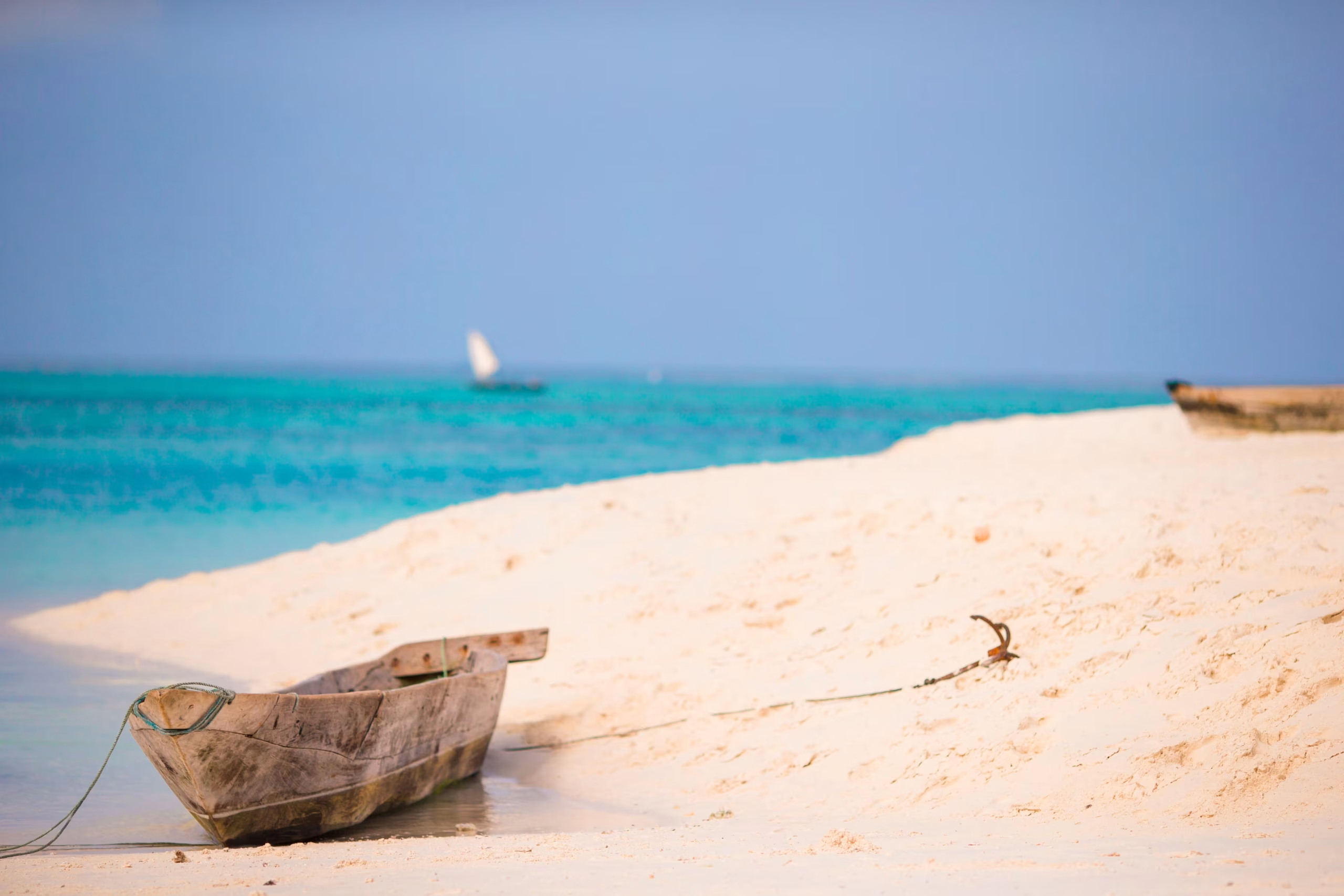
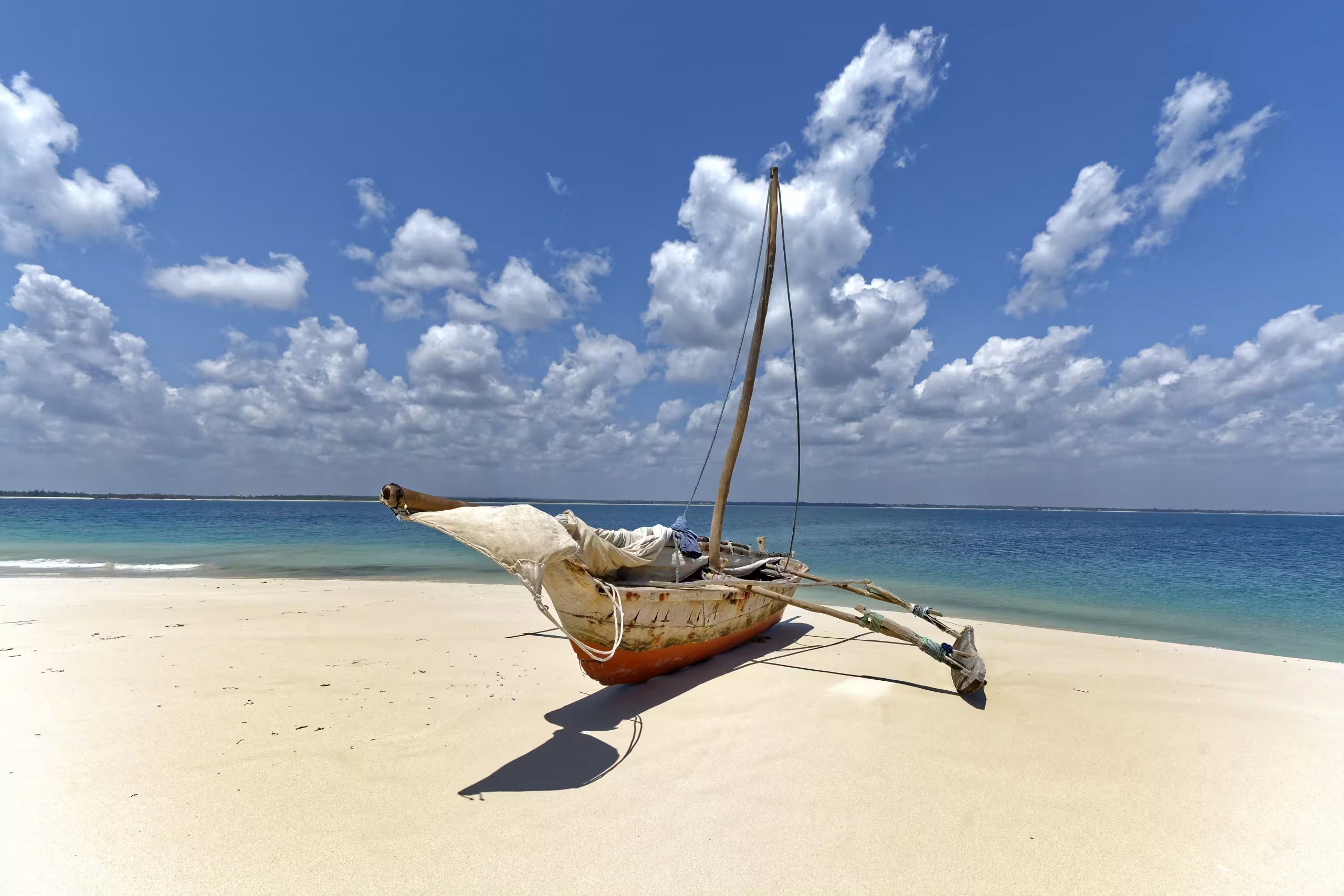
Dhow sailing is one of the most direct ways to experience the Indian Ocean maritime culture. We specify operators who use vessels with genuine structural integrity and guides with real ocean knowledge.
Kitesurfing conditions along the east coast between June and October are among the best in the Indian Ocean — consistent 15–25 knot trades, flat water inside the reef.
Practical notes for families.
Tanzania’s island coasts are suitable for families with children above six. The calm lagoon water on the north coast during June–October is safe for confident child swimmers. Properties at Matemwe and Kendwa have shallow reef platforms snorkellable by children aged eight and above.
We build beach extensions for families with specific attention to reef accessibility, pool availability, and proximity to Stone Town for a half-day cultural visit. The Stone Town food tour is reliably the highlight for children.
One practical note: jellyfish. Box jellyfish and other stinging species are present seasonally. Our guides brief families on conditions specific to their dates and location before any water activity.


The Tanzania beach holiday is not a hotel-on-sand generic experience.

Let's design your
zanzibar beach experience.
Send us your travel window and what matters most to you — we'll build the whole thing around it.
Plan my zanzibar beachWhatsApp +255 765 506 646