
Safari Booking Guide: When, How and Where to Book Your Tanzania Safari
- Understanding the Tanzania Safari Landscape
- Determining the Best Time for Your Safari Booking
- Essential Factors Influencing Your Safari Budget
- Direct Booking vs Agent: Weighing Your Options
- Selecting the Right Safari Operator
- Navigating Tanzania National Park Regulations
- Choosing Between Group and Private Safaris
- Essential Safari Booking Tips for First-Timers
- Logistics of International and Domestic Flights
- Securing Accommodations: Lodges vs Tented Camps
- Understanding Visa and Health Requirements
- Packing Essentials for Your Tanzania Adventure
- Managing Payments and Deposits Safely
- Handling Last-Minute Changes and Cancellations
- Preparing for the Safari Experience
- Conclusion
- FAQ
Planning a trip to East Africa can seem overwhelming. With so much to see and do, it’s important to take your time. You want an experience that goes beyond the usual.
This guide is your key to a Tanzania safari reservation. We want to make booking easy, so you can enjoy the wild without worry.
You’ll discover the best times to visit and how to pick a good operator. Learning how to book a safari lets you enjoy the beauty of the savanna. We aim to make your safari booking smooth, so you can focus on the adventure.
Key Takeaways
- Identify the optimal months to visit based on wildlife migration patterns.
- Evaluate operators by their commitment to conservation and local community support.
- Understand the financial timeline required to secure your preferred lodges.
- Navigate the essential permits and documentation needed for entry.
- Prioritize depth of experience over crowded tourist circuits.
Understanding the Tanzania Safari Landscape
Thinking about a Tanzania safari? It’s key to know the country’s different safari areas. Tanzania has many safari options, mainly in the Northern and Southern Circuits. Each area offers unique sights and experiences, fitting various interests.
The Diversity of Tanzania’s Northern and Southern Circuits
The Northern Circuit is famous for places like the Serengeti National Park and the Ngorongoro Conservation Area. The Serengeti is known for its wildebeest migration, a big draw for tourists. The Ngorongoro Conservation Area, with its crater, is a wildlife paradise.
The Southern Circuit, on the other hand, offers a unique experience. It has fewer tourists and lets you see Tanzania’s hidden gems. Places like the Selous Game Reserve are known for their wildlife and boating safaris.
Why Tanzania Remains a Top Destination for American Travelers
Tanzania is a favorite among American travelers for its culture and wildlife. The country’s varied landscapes, from savannas to forests, are home to many animals. It’s a dream spot for nature fans and adventure seekers.
Also, Tanzania focuses on protecting its environment and tourism. This means visitors can enjoy their safari while helping to keep the country beautiful. Knowing the best time to book a safari can make your trip even better.
Determining the Best Time for Your Safari Booking
To get the most out of your wildlife adventure in Tanzania, knowing when to book your safari is key. The country’s varied landscapes and seasonal changes greatly impact your safari quality.
When you visit can greatly affect what you see and do. Tanzania’s climate changes, with dry and wet seasons. These seasons change how animals behave and where you can see them.
The Great Migration: Timing Your Visit for the Wildebeest Crossing
The Great Migration in Tanzania is a breathtaking sight. Millions of wildebeest, zebras, and gazelles move in search of food. The exact timing of their crossing changes each year, based on weather.
Peak migration periods are usually from July to September. The most exciting river crossings happen in July and August. But, the migration is ongoing, and you can see different parts of it all year.
Dry Season vs. Green Season: Pros and Cons for Wildlife Viewing
The dry season, from June to October, is the best time for wildlife watching. Animals gather at water sources, making them easier to see.
- Dry season advantages:
- Animals are easier to spot at waterholes
- Less vegetation means clearer views
- Temperatures are comfortable for tourists
- Dry season disadvantages:
- Popular spots can be crowded
- Dust can make views harder
The green season, from November to May, has its own benefits and drawbacks. Wildlife may be spread out, but the scenery is stunning. This season offers a chance to see newborn animals.
- Green season advantages:
- The landscapes are lush and beautiful
- Fewer tourists for a more personal experience
- Newborn animals are a special sight
- Green season disadvantages:
- Some areas might be hard to reach because of rain
- Thicker vegetation can make spotting animals harder
Choosing the best time for your safari depends on what you want to see. Knowing about Tanzania’s seasons helps you pick the right time for your wildlife adventure.
Essential Factors Influencing Your Safari Budget
Your safari budget depends on several key factors. These include the time of year you visit and the type of accommodations you choose. Understanding these elements is crucial for planning a successful and enjoyable Tanzania safari.
When planning your safari, consider not just the initial costs but also additional expenses. These can include park fees, transportation costs, and the type of safari experience you’re looking for.
Hidden Costs to Consider Beyond the Base Price
Beyond the base price of your safari booking, there are several hidden costs to consider. These can include:
- Park fees and conservation levies
- Transportation costs to and from the safari location
- Optional activities such as hot air balloon rides or walking safaris
- Gratuities for guides and staff
Understanding these costs upfront can help you plan more effectively and avoid unexpected expenses.
| Cost Component | Average Cost | Notes |
|---|---|---|
| Park Fees | $50-$100 per person per day | Can vary depending on the park |
| Transportation | $100-$500 per trip | Depends on the distance and mode of transport |
| Optional Activities | $50-$200 per person per activity | Costs vary based on the activity |
Luxury vs. Mid-Range vs. Budget Safari Experiences
The type of safari experience you choose significantly impacts your budget. Luxury safaris offer high-end accommodations and services. Mid-range options provide a balance between comfort and cost. Budget safaris are more basic but can still offer a fulfilling experience.
Luxury safaris include high-end lodges, personalized guides, and exclusive experiences. Mid-range safaris offer a good balance between quality and affordability. Budget safaris are ideal for those looking to save money, often involving camping or basic lodges and shared transportation.
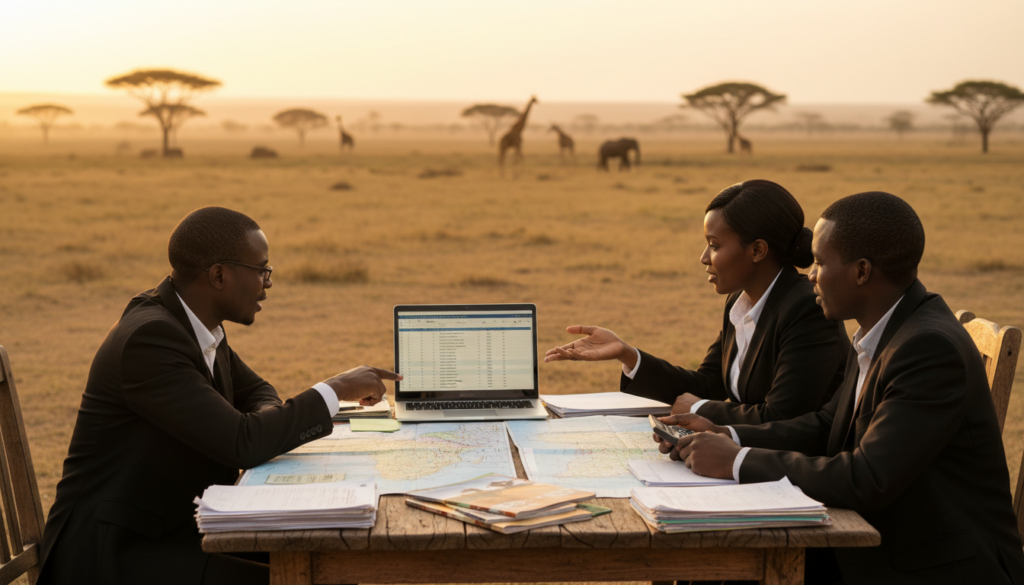
When deciding on your safari experience, consider what aspects are most important to you. Allocate your budget accordingly. Knowing how to book a safari that fits your budget and preferences is key to a successful trip.
Direct Booking vs Agent: Weighing Your Options
Planning a Tanzania safari means deciding whether to book directly or use a safari agent. This choice affects your experience, from planning ease to safari quality.
The Benefits of Working with a Specialized Safari Agent
Choosing a safari agent brings many advantages. They know Tanzania’s safari landscape well, including the best times to visit and where to see wildlife. Their knowledge lets them tailor-make your safari to fit your interests, making your trip more personal and rewarding.
- Expert knowledge of Tanzania’s safari circuits and wildlife habitats
- Ability to customize your safari itinerary based on your preferences
- Assistance with logistics, including accommodations and transportation
- Access to a network of trusted safari operators and guides
When Direct Booking Makes Sense for Experienced Travelers
Experienced travelers who know Tanzania’s safaris well might prefer direct booking. They often know exactly what they want and like to plan themselves.
- Potential cost savings by avoiding agent fees
- Greater control over the planning process
- The ability to directly negotiate with safari operators
Understanding the pros and cons helps you choose the best option for your needs and preferences.
Selecting the Right Safari Operator
Choosing the right safari operator is key to a memorable and safe Tanzania safari. There are many operators with different experiences. It’s important to research well.
Start by checking their credentials. A good operator should be registered and have the right certifications.
Verifying Credentials and Membership in Tourism Associations
A trusted safari operator belongs to groups like the Tanzania Association of Tour Operators (TATO) or the Tourism Confederation of Tanzania (TCT). Being a member shows they follow industry standards.
Also, look for international certifications like Tourism Concern. These show they care about responsible and sustainable tourism.
Reading Reviews and Checking Safety Records
Reading reviews from past clients is also important. Sites like TripAdvisor and Google Reviews offer insights. Look for comments on guides, vehicles, and safari organization.
Check the operator’s safety record too. A good operator has a clear safety policy and no incident history. Ask about their emergency plans and guide training.
By carefully choosing a safari operator, you’ll have a better chance of a great Tanzania safari.
Navigating Tanzania National Park Regulations
Tanzania’s national parks are known for their untouched wilderness and wide variety of wildlife. It’s important to know the rules to have a great safari. These rules help protect the environment and keep visitors safe.
Park Fees and Conservation Levies
Visiting Tanzania’s national parks means understanding the entry and conservation fees. These fees help keep the parks in good shape, including roads and lodges. The cost depends on the park and who you are.
Conservation levies also play a big role. They help fight poaching, restore habitats, and support local communities. By paying these levies, you help protect Tanzania’s wildlife and nature.
Key points to consider regarding park fees and conservation levies:
- Park fees vary by park and visitor category.
- Conservation levies support anti-poaching and community projects.
- Fees contribute to maintaining park infrastructure.
Rules for Off-Road Driving and Wildlife Interaction
Tanzania’s national parks have strict rules for off-road driving and wildlife interaction. Off-road driving is mostly banned to protect plants and animals. This helps keep the parks natural and safe.
When you see wildlife, it’s important to stay far away. Guides and safari operators teach visitors to keep a safe distance. This way, we don’t scare or harm the animals.
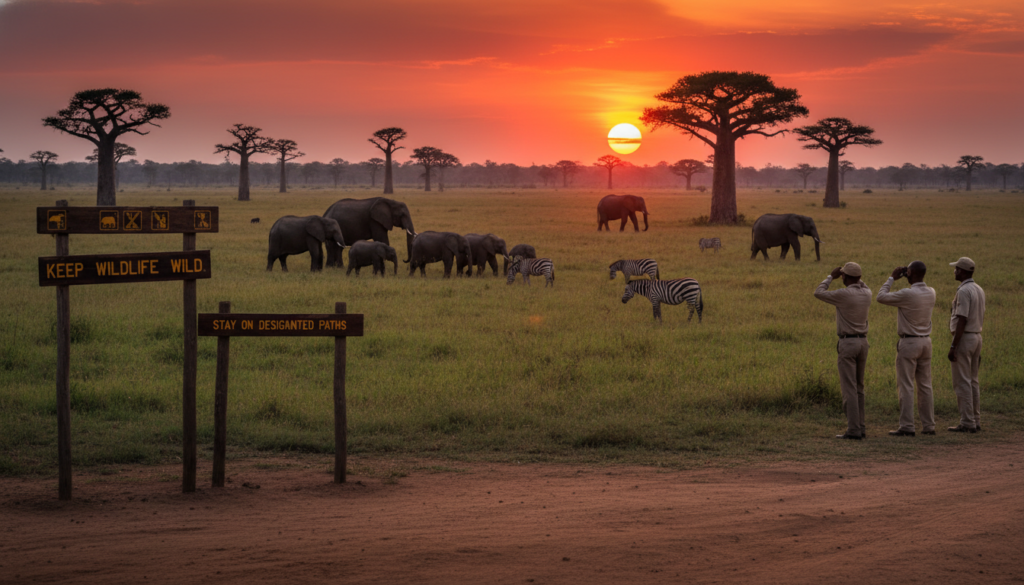
- Stay within designated paths to avoid damaging vegetation.
- Keep a safe distance from wildlife to avoid disturbance.
- Follow guide instructions to ensure safety and minimal impact.
By following these rules, you can have a great safari. You’ll also help protect Tanzania’s amazing natural world.
Choosing Between Group and Private Safaris
Planning your Tanzania safari means deciding between a group tour or a private safari. Each has its benefits, depending on what you value most. Your choice should match your priorities, budget, and what you want from your safari.
Social Dynamics and Cost Savings of Group Tours
Group tours are great for making friends. You’ll share the adventure with others who love wildlife. It’s a fun way to see animals and make new friends.
Group tours also save money. Everyone splits the costs of guides, transport, and sometimes lodging. This makes the trip cheaper for each person.
The Flexibility and Personalization of Private Itineraries
Private safaris are all about you. You can change the plan to fit your interests. This means more time at places you love or to see specific animals.
With a private safari, you make your own schedule. It’s perfect for those who want a unique, flexible trip. You get to do things your way.
| Feature | Group Tours | Private Safaris |
|---|---|---|
| Cost | Generally more affordable due to shared costs | More expensive as costs are not shared |
| Social Experience | Offers a communal experience with fellow travelers | More intimate and exclusive, limited social interaction |
| Flexibility | Less flexible, follows a set itinerary | Highly flexible, itinerary can be adjusted on the go |
| Personalization | Limited personalization due to group dynamics | Highly personalized to individual preferences |
Essential Safari Booking Tips for First-Timers
Getting ready for your Tanzania safari is exciting but can feel overwhelming. We’re here to help you through the booking process. This way, your safari will be unforgettable and just what you wanted.
Securing Your Dates
Choosing the right time for your safari is key. The season you visit can greatly affect your experience. Book your dates 6 to 12 months in advance for the best lodges and guides.
Early booking means you get your first choice of lodges. Places like the Serengeti and Ngorongoro get booked fast. Waiting too long might leave you with less ideal options or higher costs.
Communicating Your Interests
Talking to your safari guide is important. Before you book, think about what you want to see. Are you into birdwatching or want to see the Great Migration?
“Your guide can make your trip better by knowing what you like,” says a seasoned guide. Share your interests to get a safari that’s just right for you.
Many tour operators ask about your interests before your trip. This helps them plan a safari that fits you perfectly. So, don’t be shy about sharing what you’re looking for.
Logistics of International and Domestic Flights
Planning your trip to Tanzania starts long before you land. You need to book international and domestic flights carefully. This ensures a smooth start to your safari adventure.
Choosing Between Kilimanjaro and Dar es Salaam Airports
Tanzania has many airports, but Kilimanjaro International Airport (JRO) and Julius Nyerere International Airport in Dar es Salaam (DAR) are key. Kilimanjaro Airport is near the Serengeti and other northern parks. Dar es Salaam offers more international flights but is further from main safari spots.
Think about your safari’s location and travel needs when choosing an airport. Many prefer Kilimanjaro for its close proximity to northern safari areas.
| Airport | Proximity to Safari Circuits | International Connections |
|---|---|---|
| Kilimanjaro International Airport (JRO) | Close to northern safari circuit | Moderate |
| Julius Nyerere International Airport (DAR) | Further from main safari areas | Extensive |
Connecting Flights to Remote Airstrips
After arriving in Tanzania, you might need domestic flights to reach safari spots. These flights are often on smaller planes and can be booked locally or through safari packages. It’s important to plan these flights well, as schedules can change and weather affects flights.
Tips for booking domestic flights:
- Book early to get a seat, especially during busy times.
- Be flexible with your travel dates to find better deals.
- Booking domestic flights with your safari package can be easier and cheaper.
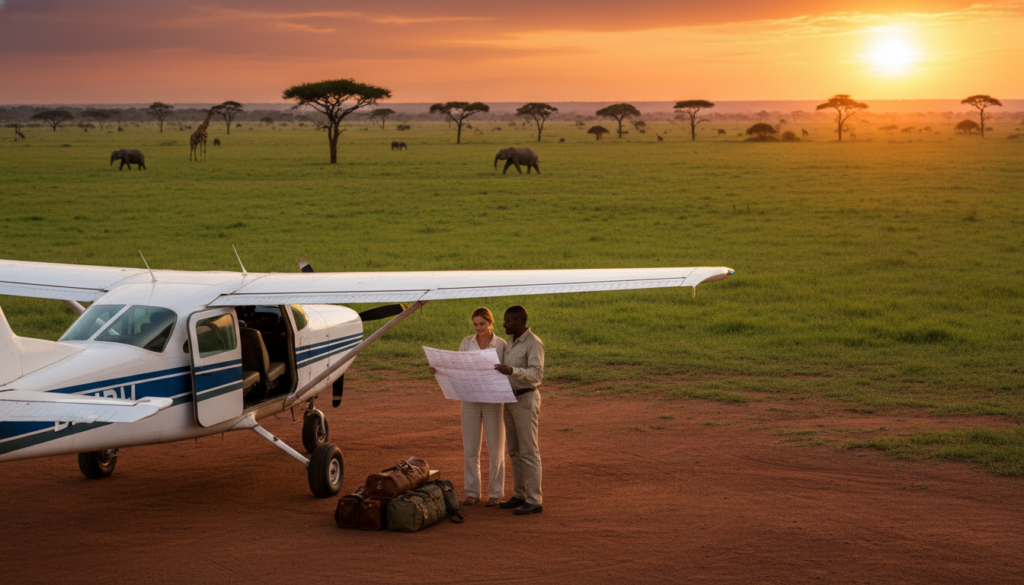
By planning your flights well, you’ll have a great start to your Tanzanian safari. Whether you’re off to the Serengeti or the southern circuit, knowing your flight options is key to a good safari experience.
Securing Accommodations: Lodges vs Tented Camps
Tanzania has many places to stay for safari-goers, like luxury tented camps and permanent lodges. Each offers a special experience. Choosing where to stay can change your safari adventure a lot.
What you pick affects your safari every day. It changes how comfortable you are and how close you feel to nature. Let’s look at what makes tented camps and lodges different to help you decide.
The Authentic Experience of Luxury Tented Camps
Luxury tented camps give you a real safari feel. They mix comfort with the wild beauty of Africa. These camps are often in quiet spots, making you feel close to nature.
Immersive Experience: Tented camps let you dive deep into nature. They have open-air bathrooms and decks. You can watch the stars or see animals from your tent.
Comfort and Amenities in Permanent Safari Lodges
Permanent safari lodges offer a more traditional stay. They have comforts that make your safari feel like home.
Comfort and Convenience: Lodges have solid buildings with extras like pools, spas, and dining areas. They’re perfect for those who want comfort without losing the safari vibe.
Choosing between a tented camp and a lodge depends on what you want from your safari. Tented camps offer a real, close-to-nature experience. Lodges provide comfort and amenities. Both have their own special benefits.
Understanding Visa and Health Requirements
Getting ready for your Tanzania safari means knowing about visa and health rules. These rules help you get into the country smoothly. They also make sure you have a healthy and fun safari.
Visa and health rules can change. Always check the latest info from official sources before you go.
Applying for Your Tanzania E-Visa
Tanzania has an easy electronic visa (E-Visa) system. To apply, go to the official Tanzanian immigration website. There, fill out the form with your passport and a photo.
The E-Visa application process typically involves:
- Filling out the online application form with accurate personal and travel details
- Uploading the necessary documents, including a scanned copy of your passport’s bio-data page
- Paying the visa fee using a secure online payment system
After your application is processed, you’ll get your E-Visa by email. Apply early to avoid any delays.
Mandatory Vaccinations and Malaria Prophylaxis
Tanzania has health rules for travelers. You need a yellow fever vaccine if you’re coming from a high-risk area.
Also, make sure you’re up-to-date on routine vaccinations. This includes MMR, diphtheria-tetanus-pertussis, varicella, polio, and flu shots. Talk to your doctor or a travel clinic about what you need.
Malaria prevention is key in Tanzania. Your doctor can help choose the right medicine for you.
Other health considerations include:
- Ensuring you have any necessary medications and copies of prescriptions
- Taking precautions against insect bites to prevent diseases like malaria and Zika
- Staying informed about local health concerns and outbreaks
By following Tanzania’s visa and health rules, you’ll have a great safari experience.
Packing Essentials for Your Tanzania Adventure
Getting ready for your Tanzania safari means packing the right things. A good safari is about being ready for the trip. When you book your Tanzania safari reservation, think about the season and your safari type.
Clothing Guidelines for Safari Environments
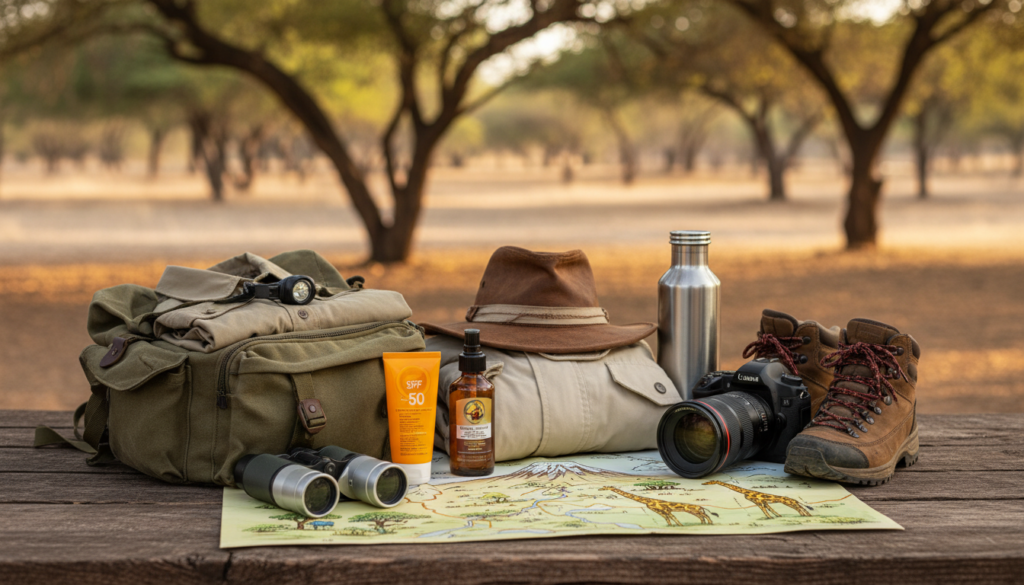
Choosing the right clothes for your safari is key. Wear neutral colors like khaki, beige, and olive green. They help you blend in and won’t scare the animals. Pack light, breathable clothes for hot days and layers for cooler times.
A waterproof jacket is a must for rainy days. Comfortable and sturdy footwear is needed for walking safaris. Choose boots or shoes that handle uneven paths well. Remember a hat, sunglasses, and sunscreen to protect against the sun.
Photography Gear and Tech Considerations
Remembering your Tanzania adventure with photos is important. Bring a quality camera with a telephoto lens for wildlife shots. Pack extra batteries, memory cards, and a cleaning kit for your camera.
For tech lovers, a portable power bank keeps your devices charged. Bring binoculars for closer wildlife views and a notebook for notes and insights. When planning, think about the best time to book safari tours for the best guides and tours.
Managing Payments and Deposits Safely
Getting ready for your safari adventure means knowing how to handle payments and deposits safely. Booking a Tanzania safari is more than just planning a trip. It’s also making a financial commitment that needs careful attention.
It’s important to know the different payment methods and their policies. This knowledge helps protect your money and gives you peace of mind for your safari.
Secure Payment Methods for International Transfers
When you make international payments for your safari, use safe and reliable methods. You can choose from wire transfers, credit card payments, or online platforms like PayPal. Each option has its own benefits and risks, so pick one that balances ease and safety.
- Wire transfers are good for big amounts if you check the recipient’s details well.
- Credit card payments are easy and often come with some protection for buyers.
- Online payment platforms add extra security and are easy to use.
Make sure you’re dealing with a trusted and verified company. Look out for any extra fees and know the exchange rates.
Understanding Refund Policies and Travel Insurance
Knowing the refund policies of your tour operator or agent is key. Refund policies can differ a lot between companies. Understanding these policies helps you make better choices.
Also, think about getting travel insurance for unexpected events like trip cancellations or medical emergencies. Travel insurance can protect your investment in the safari.
“Travel insurance is not just a precaution; it’s a necessity when investing in a significant travel experience like a safari.”
When looking at refund policies and travel insurance, keep these points in mind:
- Know the terms and conditions of your booking, including any cancellation fees.
- See if your credit card or payment method has any built-in protections or insurance.
- Make sure your travel insurance covers what you need for your safari.
By managing your payments carefully and understanding the policies, you can enjoy your Tanzania safari with peace of mind. You’ll know your financial investment is safe.
Handling Last-Minute Changes and Cancellations
Planning a Tanzania safari means being ready for anything. Last-minute changes or cancellations can happen. Knowing what to do can help avoid big losses.
Flexibility is key when booking a safari. Keeping up with your plans and having a backup plan can really help.
What to Do if Your Travel Plans Shift
If your plans change, talk to your safari operator or travel agent first. They can help adjust your trip. Also, check your booking terms to know what changes mean.
Experts say travel insurance and flexible booking are key for changes or cancellations.
“The key to handling last-minute changes is preparation and having the right support from your travel provider,” says a seasoned safari operator.
Here are some steps for when your plans change:
- Notify your safari operator or travel agent right away
- Look over your booking terms and conditions
- See what options you have for changing your trip
- Know about any extra costs or refunds for changes
The Importance of Comprehensive Travel Insurance
Travel insurance is crucial for safaris. It protects you from unexpected things like trip cancellations or medical emergencies. Make sure your policy covers safari activities and meets your needs.
It’s important to read your policy carefully and ask questions. “A good travel insurance policy can give you peace of mind and protect your investment,” says an insurance expert.
Here’s what to look for in travel insurance:
| Insurance Aspect | Description | Importance |
|---|---|---|
| Trip Cancellation | Covers non-refundable costs if you need to cancel your trip | High |
| Medical Emergency | Covers medical expenses, including evacuations if necessary | High |
| Safari-Specific Activities | Ensures coverage for activities related to your safari | Medium |
Being prepared and knowing about travel insurance can lessen the impact of last-minute changes or cancellations on your Tanzania safari.
Preparing for the Safari Experience
Getting ready for a Tanzania safari is more than just booking your trip. It’s about planning carefully to make sure you have a great time. We’ll help you get ready for your adventure in the wild.
Physical and Mental Preparation for Long Game Drives
Long game drives are key to any safari. Being in shape and mentally ready is important. Start a gentle exercise routine a few weeks before to get fit.
Activities like brisk walking, cycling, or swimming are good. Mental prep is also key. The vast views and wildlife can be a lot to take in. Try mindfulness to stay focused and enjoy the moment.
| Preparation Tips | Description | Benefits |
|---|---|---|
| Physical Exercise | Engage in moderate physical activities like brisk walking or cycling | Builds endurance for long game drives |
| Mindfulness Practices | Practice mindfulness techniques such as meditation or deep breathing | Enhances mental clarity and presence during the safari |
| Itinerary Familiarization | Understand the daily schedule and activities planned | Reduces anxiety and sets realistic expectations |
Cultural Etiquette and Tipping Guidelines
Tanzania is rich in culture, and respecting local customs is important. Dress modestly and be aware of traditions. Learning basic Swahili phrases like “Jambo” and “Asante” shows respect.
Tipping is common in Tanzania, especially for guides and lodge staff. Budget for tips, as they help these people a lot. Aim to tip $10-20 per day for guides and drivers. Lodge staff also deserve tips for their service. For more on tipping and travel tips, check our FAQs page.
Being ready physically, mentally, and culturally lets you dive into the Tanzania safari fully. We aim to make your adventure exciting, respectful, and enriching.
Conclusion
Booking a Tanzania safari requires careful planning. You need to decide the best time to go and whether to book directly or use a safari agent. Each choice affects your experience.
Knowing about Tanzania’s safari areas helps you choose wisely. You can pick between the Northern and Southern Circuits based on what you want to see. We’ve talked about how to manage your budget, find a good safari operator, and book your trip.
When you’re ready to book your safari, use the tips we’ve given. They’ll help make your trip smooth and fun. Whether you’re a first-timer or a seasoned traveler, good planning and advice will make your African adventure unforgettable.
FAQ
Start by thinking about what you want to see, like the Great Migration or the Southern Circuit’s quiet beauty. Then, decide if you want to work with a travel agent or book directly with local operators. Booking at least six to twelve months in advance is wise, especially for the dry season.
For the Serengeti’s river crossings, book for July to October. For the calving season, February is best. Booking a year in advance ensures you get the best spots.
Both options have their benefits. Agents handle logistics and offer professional help. Direct booking lets you talk directly with your guides. Make sure the company is part of TATO for quality and ethics.
The Northern Circuit is known for its wildlife and easy access, great for first-timers. The Southern Circuit offers a wilder experience with fewer people. It’s perfect for those seeking a deeper connection with nature.
Many packages seem all-inclusive, but remember to budget for TANAPA fees and other expenses. Include flights, visa fees, and tips for your guide and staff. Being clear about your budget helps you enjoy your trip more.
Look for TATO membership and a good safety record. Check the quality of their vehicles, like customized 4×4 Land Cruisers. Reading reviews from past travelers can also help you understand their guides’ expertise.
Kilimanjaro International Airport (JRO) is best for the Northern Circuit. Dar es Salaam (DAR) is better for southern destinations or Zanzibar. Local carriers like Coastal Aviation or Auric Air can save time and offer great views.
Group tours are social and cost-effective. Private safaris offer more flexibility and a personal experience. They let you tailor your trip to your interests, making it more memorable.
Most need a visa, which you can get online before arriving. Consult a travel clinic about malaria and Yellow Fever vaccinations. Being prepared ensures a smooth start to your safari.
Pack layers in neutral colors to blend in and avoid attracting tsetse flies. Bring good binoculars, a hat, and a versatile camera lens. Remember, flights have strict luggage limits, so pack light.
Tipping is a way to show appreciation and support local people. Aim for – per day for your guide and – for camp staff. Always ask permission before taking photos in Maasai bomas or villages.

Continue Reading
Serengeti Safari: Everything You Need to Know Before You Go
Embark on an unforgettable Serengeti Safari adventure. Our guided tours offer authentic wilderness experiences in Tanzania.
Honeymoon in Tanzania: Safari, Beach and Everything In Between
Discover the ultimate Tanzanian honeymoon - safari adventures, pristine beaches, and more. Explore the best of East Africa...
Luxury African Safari for Solo Travelers: What You Need to Know
Discover the beauty and adventure of a luxury African safari tailored for solo travelers. Explore the Serengeti's wildlife...