
Tarangire National Park Tanzania: Why This Is the Most Underrated Safari in Africa
- The Unique Appeal of Tarangire National Park Tanzania
- Why Tarangire Remains the Most Underrated Safari Destination
- Tarangire vs Serengeti: A Comparative Analysis
- The Iconic Baobab Trees of Tarangire
- Elephant Herds: The Heart of the Park
- Birdwatching Paradise in the Tarangire Ecosystem
- Navigating Tarangire Entry Fees and Logistics
- Top Tarangire Highlights for First-Time Visitors
- Best Time of Year to Visit Tarangire
- Accommodation Options for Every Traveler
- Essential Safety Tips for Your Safari
- Cultural Encounters Near the Park Borders
- Packing Essentials for a Tanzanian Safari
- Conclusion
- FAQ
Let’s explore a place away from the usual tourist spots. Tarangire National Park Tanzania is a hidden gem. It’s perfect for those who love the wild but hate the crowds.
This area offers a true wilderness experience. You’ll see a deep bond between the land and its creatures. It’s a rare chance to see East Africa’s untouched beauty.
Here, you can watch animals cross rivers or see the savanna change. It’s a real chance to connect with nature. We think this place shows Africa’s lasting beauty.
Key Takeaways
- Experience an authentic, uncrowded safari environment.
- Witness the iconic, ancient baobab trees in their natural habitat.
- Observe diverse wildlife populations within a pristine ecosystem.
- Enjoy a deliberate, slow-paced approach to wilderness exploration.
- Connect deeply with the raw, untamed beauty of East Africa.
The Unique Appeal of Tarangire National Park Tanzania
Tarangire National Park is a hidden gem in African safaris. It’s in northern Tanzania and known for its diverse landscapes and rich wildlife. This makes it perfect for those wanting a real safari experience.
Geographic Significance and Landscape Diversity
The park’s varied landscapes are a big deal. You’ll see lush green valleys and dry plains as far as you can see. This variety supports a wide range of plants and animals, making the ecosystem fascinating and delicate.
The Tarangire River is key during the dry seasons. It draws in many animals, like elephants, wildebeests, and zebras. This river is vital for their survival, offering water and food when it’s scarce.
The Seasonal Migration Patterns
The wildlife migration in Tarangire is a sight to behold. Animals move with the seasons, searching for food and water. This migration is just as impressive as the Serengeti’s, with thousands of animals roaming the landscape.
The dry season, from June to October, is the best time to see wildlife. The animals gather around the Tarangire River and other water sources, offering great game viewing.
| Season | Characteristics | Wildlife Viewing Highlights |
|---|---|---|
| Dry Season (June to October) | Lack of rainfall, dry landscapes | Concentration of wildlife around water sources, excellent game viewing |
| Wet Season (November to May) | Rainfall, lush green landscapes | Dispersal of wildlife, newborn animals, lush vegetation |
Knowing the seasonal patterns is crucial for a successful safari in Tarangire. They greatly affect the wildlife’s visibility and behavior.
Why Tarangire Remains the Most Underrated Safari Destination
Looking for a real African safari without the crowds? Tarangire National Park is perfect. Located in Tanzania’s heart, it offers stunning natural beauty and a wide range of wildlife. This makes it stand out from busier safari spots.
One key reason Tarangire is not as well-known is its quiet spot away from main tourist paths. Unlike the crowded Northern Circuit parks, Tarangire is peaceful. It lets visitors really connect with nature.
Escaping the Crowds of the Northern Circuit
The Northern Circuit, with parks like the Serengeti and Ngorongoro Crater, draws many tourists. These places are stunning but can feel too busy and touristy. Tarangire National Park, on the other hand, offers a secluded safari experience. It lets visitors enjoy the African savannah’s beauty without the noise of big groups.
Choosing Tarangire means avoiding the chaos of busier parks. You can dive into the African wilderness’s calm. The park’s less crowded areas and game spots let you watch wildlife without being disturbed. This makes for a more real and exciting safari.
Authentic Wilderness Experiences
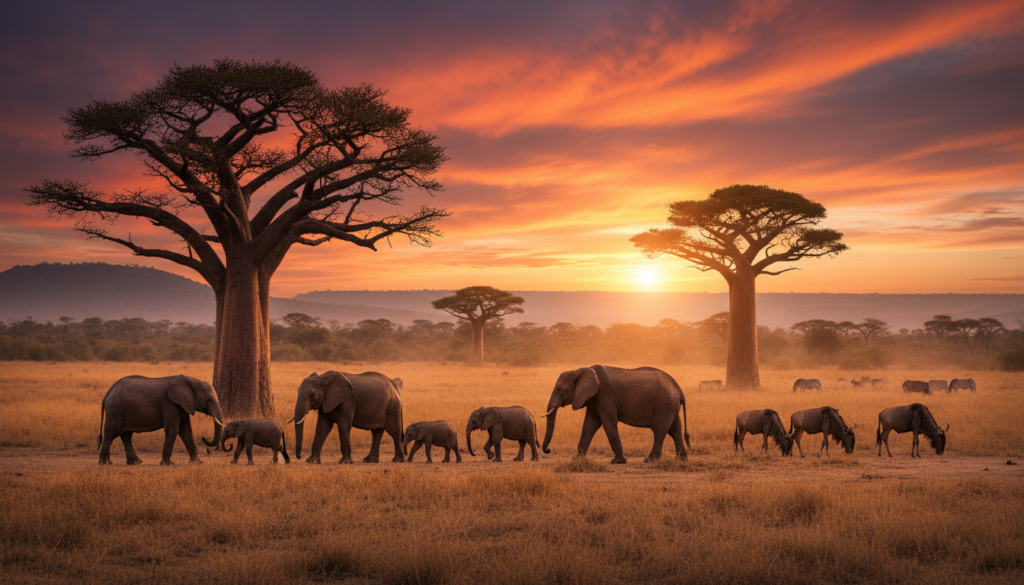
Tarangire’s true wilderness appeal draws travelers looking for a real experience. The park’s varied landscapes, from open grasslands to dense forests and the Tarangire River, are home to many animals. This mix of diversity and seclusion offers a chance to see Africa’s raw beauty.
Exploring Tarangire lets you see how the park’s ecosystems and animals work together. You’ll see everything from giant baobab trees to huge elephant herds. Every part of Tarangire adds to an unforgettable safari journey. By picking Tarangire, you’re not just visiting a park; you’re diving into a vibrant, untouched ecosystem.
Tarangire vs Serengeti: A Comparative Analysis
The Serengeti is known for its Great Migration. Tarangire, on the other hand, offers a mix of wildlife and stunning landscapes. These include iconic baobab trees. This comparison helps travelers choose between these two Tanzanian safari spots.
Choosing between Tarangire and Serengeti depends on what you want from a safari. Both parks are beautiful and full of wildlife. But they differ in wildlife density and landscape characteristics.
Wildlife Density and Visibility
Tarangire National Park is famous for its high wildlife concentration. This is especially true during the dry season when animals gather around the Tarangire River. It offers a close-up wildlife experience.
- Elephant populations: Tarangire is known for its large elephant herds.
- Tree-dwelling lions: The park’s dense vegetation allows for a unique view of lions in trees.
- Diverse antelope species: Tarangire has many antelope types, like the lesser kudu and fringe-eared oryx.
The Serengeti is known for its vast plains. These plains are filled with wildebeest, zebras, and gazelles during the Great Migration. This event is truly awe-inspiring, with millions of animals moving together.
As one conservationist notes,
“The Great Migration is not just a spectacle; it’s a testament to the enduring power of nature.”
Landscape and Vegetation Differences
The landscapes of Tarangire and Serengeti are different. These differences affect the safari experience.
Tarangire’s landscape features:
- Baobab trees: The park is filled with these ancient giants, creating a unique landscape.
- Riverine forests: The Tarangire River supports lush forests, attracting many animals.
- Granite outcrops: These outcrops provide habitats for various species.
The Serengeti is known for its:
- Vast savannah plains: The endless grasslands are a key feature of the Serengeti.
- Scattered acacia trees: These trees offer shade and homes for animals.
- Rocky outcrops (kopjes): These offer vantage points for predators and add to the landscape.
Choosing between Tarangire and Serengeti depends on your preferences. Both parks offer unique experiences. They cater to different interests in wildlife and landscapes.
The Iconic Baobab Trees of Tarangire
The baobab trees of Tarangire are more than just a beautiful sight. They hold deep cultural and ecological value. These trees draw visitors from all over the world.
The Cultural and Ecological Importance of Baobabs
Baobab trees are key to Tarangire’s ecosystem. They offer shelter and food to many animals, from birds to big mammals. They are crucial for the ecosystem’s balance.
Locals also see great cultural value in these trees. They are often seen as sacred. The trees are used in traditional ways, like meeting spots or landmarks.
Photography Tips for Capturing Ancient Giants
Photographers find Tarangire’s baobabs fascinating. The golden light of early morning or late afternoon is perfect for their photos. A wide-angle lens helps show the tree’s size and shape.
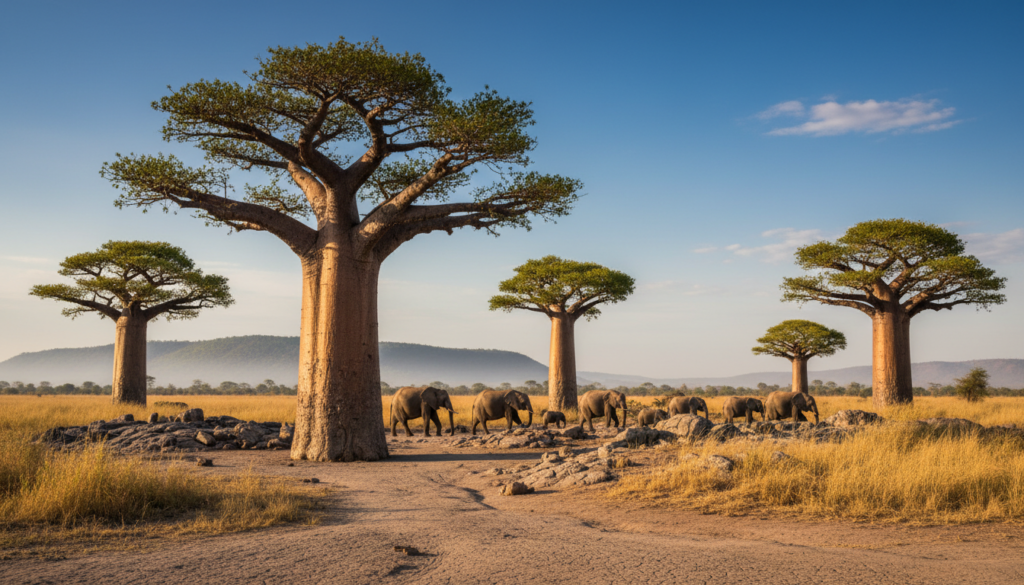
Think about the background when taking photos. The contrast between the baobab and nearby acacia trees is striking. Try different angles to highlight these natural wonders.
Elephant Herds: The Heart of the Park
As we explore Tarangire National Park, we quickly notice the elephant herds. They amaze us with their size and beauty. These elephants are not just a park highlight; they are its heart.
Observing Complex Social Structures
Tarangire’s elephant herds have complex social lives. They are led by wise matriarchs. These herds show us how they communicate, bond, and work together.
Watching these elephants teaches us about their ways. The matriarchs guide the herd. They make choices that keep everyone safe and happy.
Conservation Efforts and Human-Wildlife Conflict
Despite their beauty, Tarangire’s elephants face big challenges. Human activities like building homes and farming push into their space. This leads to conflicts.
There are efforts to save these elephants. Habitat protection and programs to help people and elephants live together are underway. These programs teach local communities about living with elephants and how to avoid conflicts.
For a full Tarangire National Park guide, knowing about elephant herds and their struggles is key. It shows why we must keep working to protect these amazing animals.
Birdwatching Paradise in the Tarangire Ecosystem
The Tarangire ecosystem is famous for its birdlife, attracting birdwatchers from around the world. It boasts over 550 species, thanks to its diverse habitats.
The park’s landscapes, from the Tarangire River to savannas and woodlands, support a wide range of birds. Baobab trees, acacia woodlands, and wetlands add to the variety.
Endemic Species and Migratory Birds
Tarangire is home to unique birds like the Tarangire Fiscal and Yellow-collared Lovebird. It’s also a key stop for migratory birds, such as the Steppe Eagle and Lesser Spotted Eagle.
Some of the notable bird species to look out for in Tarangire include:
| Bird Species | Seasonality | Habitat |
|---|---|---|
| Yellow-collared Lovebird | Year-round | Baobab trees and woodlands |
| Steppe Eagle | Migratory (October to April) | Open savannas and grasslands |
| Tarangire Fiscal | Year-round | Thorn scrub and acacia woodlands |
Best Locations for Avian Photography
For bird photography, Tarangire has many great spots. The Tarangire River is especially active, with birds like the African Skimmer and Goliath Heron.
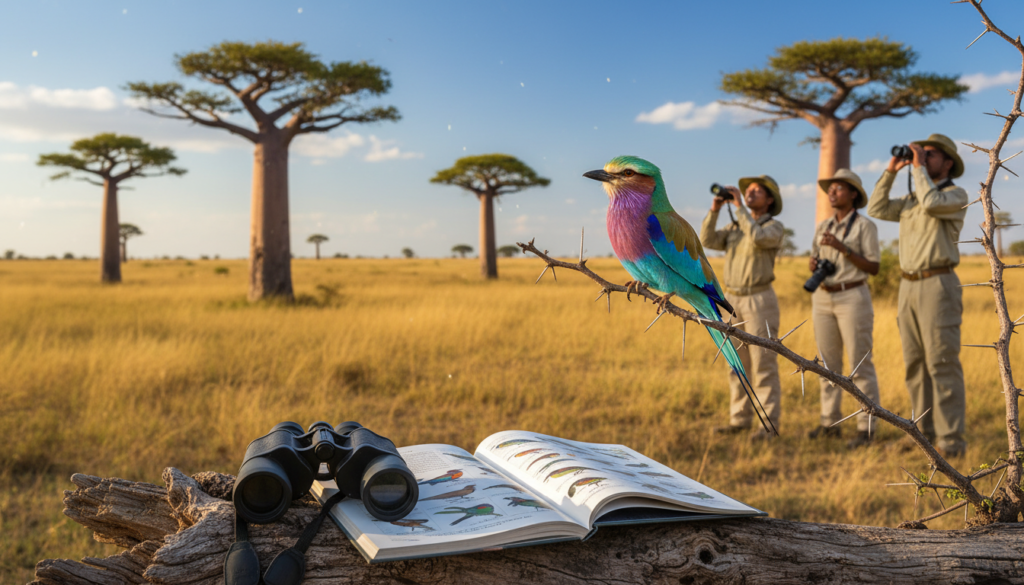
The Silale Swamp Wetlands are also great for waterbirds and raptors. Early morning and late afternoon are best for photos, with soft light.
Remember to consider the Tarangire entry fees when planning your trip. Knowing the costs helps you enjoy your birdwatching adventure in Tarangire.
Navigating Tarangire Entry Fees and Logistics
Getting ready for Tarangire means knowing about entry fees and logistics. It’s not just about picking the best time or booking a safari. You also need to know the costs and arrangements for a smooth trip.
Park Permit Structures
The Tanzania National Parks Authority (TANAPA) sets Tarangire’s entry fees. Fees vary based on where you’re from and your age. Here are the current rates:
| Category | Fee (USD) |
|---|---|
| Non-Resident Adults | $55 per person per day |
| Non-Resident Children (5-15 years) | $25 per child per day |
| Tanzanian/East African Residents Adults | 10,000 TZS per person per day |
| Tanzanian/East African Residents Children (5-15 years) | 5,000 TZS per child per day |
Always check the latest fees on the TANAPA website or with your tour operator. Fees can change.
Budgeting for Your Safari Adventure
Planning a Tarangire safari means more than just entry fees. You’ll also need to budget for places to stay, guides, transport, and activities. You can choose from luxury camps to budget-friendly camping sites.
A seasoned safari guide says, “Saving money isn’t everything. It’s about spending wisely for a great experience.”
“A good safari budget lets you enjoy the wild without worrying about money, making it even more rewarding.”
When planning your budget, consider these costs:
- Accommodation: from camping to luxury lodges
- Guided tours: for experienced guides to enhance your trip
- Transportation: getting to and around the park
- Food and beverages: meals and drinks during your stay
Here’s a rough idea of daily costs for a Tarangire safari:
| Expense Category | Low-End Estimate (USD) | High-End Estimate (USD) |
|---|---|---|
| Accommodation | $30 | $500 |
| Guided Tour | $50 | $150 |
| Transportation | $20 | $100 |
| Food and Beverages | $15 | $50 |
Knowing these costs helps you plan a great safari in Tarangire without surprises.
Top Tarangire Highlights for First-Time Visitors
Exploring Tarangire National Park reveals its top highlights for first-timers. The park boasts diverse landscapes and a rich wildlife, perfect for safari lovers. Two areas stand out for their beauty and wildlife viewing.
The Silale Swamp Wetlands
The Silale Swamp wetlands are a vital component of Tarangire’s ecosystem. They provide a home for many animals, especially during the dry season. Visitors can see large herds of elephants, giraffes, and antelopes.
Watching wildlife here gives a peek into the ecosystem’s complex interactions. It’s also a prime spot for birdwatching, with many waterbirds and raptors.
The Tarangire River as a Wildlife Magnet
The Tarangire River is the park’s lifeblood, attracting diverse wildlife all year. In the dry season, it’s a key spot for animals looking for water. This offers excellent game viewing opportunities.
The river’s banks are home to dense vegetation and various species. As the dry season deepens, wildlife around the river grows, making it perfect for safari drives and photography.
Best Time of Year to Visit Tarangire
Choosing the right time to visit Tarangire National Park is key for a great Tanzania safari. The park’s varied wildlife and ecosystems make each season special in its own way.
The timing of your visit greatly affects your wildlife viewing and safari adventure. Tarangire has two main seasons: the dry season and the green season. Each has its own benefits.
Dry Season Advantages for Game Viewing
The dry season, from June to October, is the best for seeing animals in Tarangire. With less vegetation and fewer water sources, animals gather at the remaining waterholes and the Tarangire River.
This makes it easier to see many animals, like elephants, giraffes, and antelopes. The dry land also makes driving smoother and visibility better.
Key advantages of visiting during the dry season include:
- Enhanced game viewing opportunities due to concentrated wildlife
- Better accessibility within the park
- Comfortable temperatures for tourists
The Lush Beauty of the Green Season
The green season, from November to May, brings Tarangire to life. The landscape turns green, and it’s a paradise for birdwatchers and those who love plants.
Though the green season can make seeing animals harder because of the dense vegetation, it has its own perks. It’s a great time for photographers and those who want to see the cycle of life in the wild.
| Season | Dry Season (June to October) | Green Season (November to May) |
|---|---|---|
| Game Viewing | Excellent due to concentrated wildlife | More challenging due to dense vegetation |
| Landscape | Dry, sparse vegetation | Lush, green landscape |
| Birdwatching | Good, with migratory birds present | Excellent, with many species breeding |
| Accessibility | Generally good, with dry terrain | Can be challenging due to wet conditions |
Accommodation Options for Every Traveler
Planning your Tarangire National Park trip? You’ll find many places to stay. Each option is designed to make your visit unforgettable.
Looking for luxury or something simple? Tarangire has it all. You can pick the perfect spot for your safari.
Luxury Tented Camps and Lodges
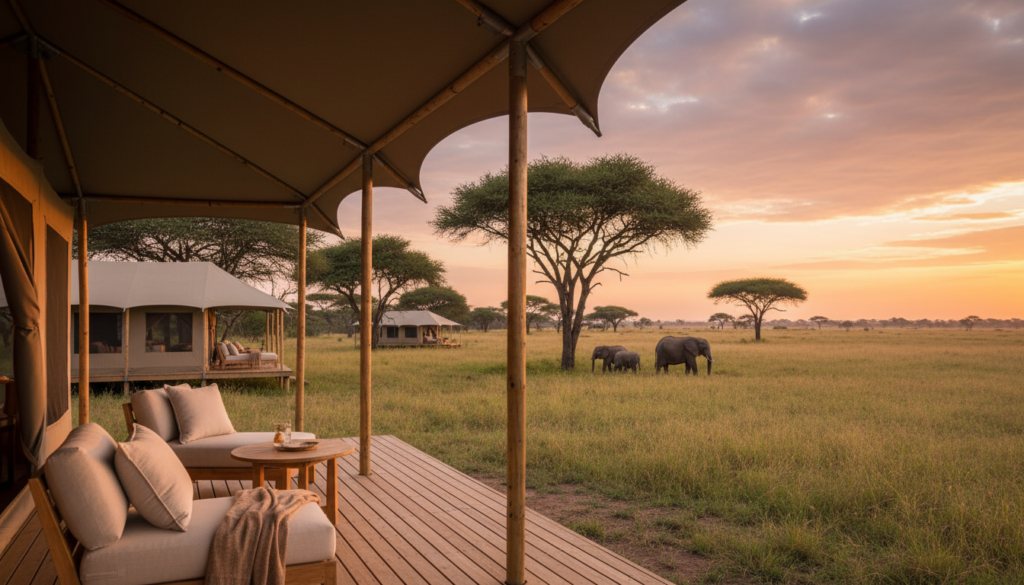
For a top-notch safari, Tarangire has luxury tented camps and lodges. They offer comfortable accommodations and exceptional service. Your stay will be memorable.
These places are built to blend with nature. They give you unobstructed views of the park’s beauty.
Some luxury options include:
- Spacious tents or rooms with en-suite bathrooms
- Fine dining options with a focus on local cuisine
- Guided safari tours led by experienced guides
- Additional amenities such as swimming pools and spas
Budget-Friendly Camping Sites
Traveling on a budget? Tarangire has camping sites for you. They offer a rustic and immersive experience. You can connect with nature and enjoy the park’s calm.
Camping here lets you:
- Experience the park’s natural beauty up close
- Enjoy stargazing in the clear African skies
- Participate in guided camping safaris
- Engage with fellow travelers and share safari stories
Whether you pick a luxury camp or a camping site, your guide will help you enjoy your safari.
Essential Safety Tips for Your Safari
When we head into Tarangire National Park, safety is our main concern. It shapes every part of our safari journey. A safe and fun trip comes from good planning, being aware, and following rules.
Being on safari means we’re guests in animals’ homes. This idea is key to our safety rules.
Wildlife Interaction Guidelines
Meeting wildlife is exciting, but we must do it right. We should keep a safe distance to not scare them and keep ourselves safe too.
- Maintain a safe distance from wildlife at all times.
- Never attempt to feed or touch the animals.
- Follow the guidance of your safari guide, as they are knowledgeable about the park’s wildlife and terrain.
- Stay inside your vehicle during game drives unless instructed otherwise by your guide.
Safety during game drives is paramount. Our guides know how to safely move through the park and handle any problems.
Health and Vaccination Requirements
Before going to Tarangire, talk to a doctor about shots and meds you might need. Yellow fever vaccination is often needed for Tanzania.
Other health tips include:
- Malaria meds, since Tanzania has a risk of malaria.
- Make sure your routine shots are up-to-date.
- Bring a basic first-aid kit and any personal meds.
By being careful, we can avoid health problems and enjoy our safari more.
In short, a safe safari in Tarangire National Park comes from being prepared, aware, and respectful of nature and animals.
Cultural Encounters Near the Park Borders
Exploring Tarangire National Park is amazing, but learning about the cultures near it is just as valuable. The Maasai people live nearby and add a special touch to your safari. It’s more than just seeing animals; it’s about experiencing different cultures.
Engaging with Local Maasai Communities
Meeting the Maasai is a unique chance to see their traditional life. Many safaris now include visits to learn about their dances, crafts, and their bond with nature.
These visits are good for both the traveler and the local economy. They help support the Maasai and make tourism better for everyone.
Supporting Sustainable Tourism Initiatives
It’s important to support tourism that helps everyone and keeps cultures alive. Look for tour operators that care about the environment and local people.
| Initiative | Description | Benefit |
|---|---|---|
| Community-based tourism | Tourism activities managed and owned by local communities | Direct economic benefits to local communities |
| Eco-friendly accommodations | Lodges and camps that adhere to environmental conservation practices | Reduced environmental impact |
| Cultural exchange programs | Programs that facilitate cultural exchange between visitors and local communities | Promotes cross-cultural understanding and appreciation |
By choosing wisely, travelers can help make tourism better in Tarangire. It makes your trip more meaningful and helps protect the area’s beauty and culture.
Packing Essentials for a Tanzanian Safari
Getting ready for a Tanzanian safari, especially in Tarangire National Park, means packing smart. We want to be comfortable and enjoy every moment. Tarangire’s landscapes and animals need us to think carefully about what we bring.
The climate and terrain of Tarangire are key to packing. It’s a hot savannah with amazing wildlife like baobab trees and elephants. We need clothes that are comfy and practical for our safari.
Clothing and Gear Recommendations
For a Tanzanian safari, pack lightweight, breathable clothing in colors that match the surroundings. Long-sleeved shirts and pants help against the sun and bugs. A good quality safari hat and sunglasses are vital for game drives.
Comfortable shoes or boots are a must. Also, bring a lightweight rain jacket for sudden rain showers. And, a warm layer for cooler times, especially in the dry season.
Photography Equipment for Wildlife
Right photography gear is key to capturing Tarangire’s beauty. A digital SLR camera with a telephoto lens is best for wildlife shots. It lets us take photos from a safe distance without bothering the animals.
Extra batteries and memory cards are a must. Also, a camera cleaning kit keeps our gear in top shape. For bird lovers, a good pair of binoculars is great for getting close without a telephoto lens.
Packing the right clothes, gear, and photography equipment makes our safari in Tarangire unforgettable. Being ready for Tarangire’s unique challenges and wonders is the key.
Conclusion
Tarangire National Park Tanzania is a true gem for safari lovers. Its varied landscapes, rich wildlife, and cultural experiences make it perfect for those seeking a real wilderness adventure.
The park is home to incredible sights like the towering baobab trees and massive elephant herds. With fewer visitors than other Tanzanian reserves, Tarangire offers a calm and peaceful setting. This allows visitors to truly connect with nature.
We invite you to discover Tarangire National Park Tanzania for yourself. Its breathtaking beauty, diverse wildlife, and cultural richness promise an unforgettable experience. Tarangire is a place that will leave a lasting impression on all who visit.
FAQ
Tarangire is often overshadowed by the Serengeti. Yet, it offers a unique sense of solitude. Here, you can experience the wilderness without the crowds, allowing for a more authentic encounter with nature.
Tarangire has a different landscape than the Serengeti. It’s known for its baobab trees and hills. The dry season brings wildlife to the Tarangire River, offering great views in a diverse setting.
Don’t miss the Silale Swamp and the Tarangire River. The swamp attracts elephants and rare predators. The river is the only permanent water source, making it a key spot for wildlife migration.
Entry fees are set by TANAPA and vary by nationality and age. Budget for these fees, which can be paid at the gate. Confirm costs in advance to make entry smooth.
Visit from late June to October for the best elephant sightings. The dry season brings them to the river and swamp. The green season is also great, with vibrant landscapes and over 500 bird species.
Yes, there are chances to connect with Maasai communities. These encounters are respectful and focus on sustainable tourism. You can learn about traditional life and the balance between humans and wildlife.
Bring a 100-400mm zoom lens for capturing baobab silhouettes and elephant portraits. A beanbag or tripod is also useful for stable shots during the golden hours.
Consult a travel clinic about malaria and yellow fever shots. Inside the park, follow wildlife interaction guidelines. This ensures your safety and respects the animals’ space.

Continue Reading
African Safari Hot Air Balloon: The Complete Guide to Flying Over the Serengeti
Soar over the Serengeti in a hot air balloon on an unforgettable African safari adventure. Discover the magic...
Safari in the Serengeti: What No One Tells You Before You Go
Explore the Serengeti's untamed landscapes on a guided safari that unveils its true essence.
10 Things Nobody Tells You Before Your First Africa Safari
Embark on an unforgettable Africa safari with our seasoned guides. Uncover the hidden gems of East African wilderness.