
10 Things Nobody Tells You Before Your First Africa Safari
- The Reality of Early Morning Game Drives
- The Surprising Amount of Dust You Will Encounter
- Understanding the Complexity of Safari Tipping Etiquette
- The Truth About Bathroom Breaks in the Wilderness
- Why Wildlife Sightings Are Never Guaranteed
- The Importance of Choosing the Right Safari Vehicle
- The Unexpected Cold of the African Night
- The Reality of Safari Food and Dietary Restrictions
- The Role of Your Guide in Your Overall Experience
- The Physical Toll of Bumpy Roads and Long Hours
- The Hidden Costs Beyond the Initial Booking
- The Reality of Connectivity and Digital Detox
- The Importance of Respecting Wildlife Boundaries
- The Cultural Nuances of Visiting Local Communities
- Essential Health and Safety Precautions for Travelers
- Conclusion
- FAQ
Going on your first Africa safari is a life-changing adventure. It’s more than what movies show. The real experience is deep and complex.
We want to help you see beyond what you think you know. We aim to show you the true beauty of the wild.
This trip is not just about watching animals. It’s about being patient and listening to nature. By understanding the wild, your trip will be unforgettable and personal.
Key Takeaways
- Embrace the silence and slow pace of the wilderness.
- Prepare for early mornings and long, rewarding days.
- Understand that wildlife sightings are never guaranteed.
- Respect the delicate balance of the local ecosystem.
- Focus on the quality of the experience over the quantity of photos.
The Reality of Early Morning Game Drives
The African savannah comes alive with a serene beauty in the early morning. This is when you can see the true beauty of a safari. As we venture into the wilderness before dawn, the night’s quiet slowly turns into the morning’s gentle stirrings.
It’s during these early hours that animals are most active. This makes it the best time for spotting wildlife. Starting early is not just a choice; it’s essential for a great safari experience.
Why the Pre-Dawn Start is Non-Negotiable
The early morning is peaceful, with animals starting their day. The golden light of dawn adds a magical touch to the landscape. Our guides know the best paths to find wildlife during these hours.
Managing Fatigue During Your Africa Safari
Starting early can be tough, but we make sure you’re comfortable. Our vehicles are comfy, and our guides pace the drives well. They make sure you get breaks and see wildlife.
To fight fatigue, stay hydrated, wear comfy clothes, and rest well. This way, you can enjoy the safari surprises each morning brings fully.
The Surprising Amount of Dust You Will Encounter
Many don’t talk about the dust on a safari, but it’s a big deal. The African savannah is dusty, with dirt roads and dry land. You need to get ready for it.
As you move through the rough terrain, dust is always with you. It gets on your skin, clothes, and gear. So, being ready for it is key.
Protecting Your Camera Gear and Electronics
Dust is tough on your camera and electronics. Use covers and clean them often. A microfiber cloth and a camera lens kit are great for keeping things clean.
Precautions for Electronics:
- Use protective cases for your camera and other electronics.
- Keep a cleaning kit handy.
- Avoid changing lenses in dusty conditions.
Why Your Clothing Choices Matter in the Bush
What you wear matters a lot. Choose clothes that can get dirty and are easy to clean. Light, breathable fabrics keep you cool and trap less dust.
Think about packing clothes that can be mixed and matched. Wear earth-toned colors to blend in and not scare the animals.
Understanding the Complexity of Safari Tipping Etiquette
Knowing how to tip is key for a good time on an Africa wildlife trip. Tipping shows you value the hard work of your guides and camp staff.
Who to Tip and When
It’s common to tip guides, camp staff, and others who help make your safari great. Guides, who show you around and teach about wildlife, usually get the biggest tips.
Don’t forget to tip the camp staff too. They handle your bags, cook your meals, and keep the camp clean. You can tip them at the end of your trip.

Recommended Guidelines for Guides and Camp Staff
For a good rule of thumb, tip around 10% to 15% of the tour cost. But, the exact amount depends on the service and how long you stay.
| Service Provider | Recommended Tip |
|---|---|
| Guide | $10-$20 per day |
| Camp Staff | $5-$10 per day |
| Luggage Handler | $1-$5 per bag |
Remember to think about local customs when deciding how much to tip. Your generosity will be welcomed and help make your trip better.
The Truth About Bathroom Breaks in the Wilderness
When we go into the wilderness, we leave behind modern bathrooms. Our safaris aim to show you Africa’s natural beauty. But, this means we have to deal with basic amenities.
Bush toilets are our go-to when nature calls. It’s important to know how to use them safely. We make sure our bush toilets are clean and well-kept.
Navigating Bush Toilets Safely
Using bush toilets needs some knowledge. Always listen to your guide’s instructions. They know the facilities and the area well. After using the toilet, make sure to wash your hands with the sanitizer provided.
Our guides set up the toilets to protect the environment and keep you safe. Be careful and keep a distance from animals when using the toilets.
Hydration vs. Convenience on Long Drives
It’s important to drink water on safari, especially on long drives. But, finding places to go to the bathroom can be hard. Try to find a balance between drinking water and knowing where to go.
Our guides will tell you when to stop for a break. They can help you plan when to drink water. If you know a break is far off, try to drink less water during the drive.
By thinking about your needs and the safari’s realities, you can have a great time. Our team is ready to help you with any questions or concerns.
Why Wildlife Sightings Are Never Guaranteed
When you go on your first Africa safari, remember that seeing animals is not a sure thing. The savannah is huge and always changing. Weather, food, and where animals live all play a part in where they are.
Managing Expectations for the Big Five
The Big Five – lion, leopard, rhinoceros, elephant, and Cape buffalo – are a big draw for many. But, you can’t count on seeing them. We help you understand that many things can affect if you see them.
The dry season brings animals to water sources, making them easier to see. But, the wet season spreads them out, making sightings harder. Knowing these patterns can make your trip better, even if you don’t see the Big Five right away.
The Art of Patience in the Savannah
Being patient is key on a safari. We encourage you to enjoy the ride, not just the sightings. There’s so much more to see than just the Big Five.
Every safari moment is full of surprises. From watching elephant herds to seeing leopards hunt, there’s always something new. Being patient lets you fully experience the beauty of Africa.
| Season | Wildlife Behavior | Sighting Likelihood |
|---|---|---|
| Dry Season | Concentrated around water sources | Higher |
| Wet Season | Dispersed across the savannah | Lower |
The Importance of Choosing the Right Safari Vehicle
Choosing the right safari vehicle is a key decision for your African adventure. The vehicle you pick can change your experience, from the quality of your game drives to your comfort and safety.
We have both open-sided and closed vehicles. Each offers a different view of the African wilderness. Your choice depends on what you like, the season you’re traveling in, and what you want from your safari.
Open-Sided vs. Closed-Vehicle Experiences
Open-sided vehicles let you feel closer to nature. They give you clear views and a closer connection to the environment, perfect for photography and watching wildlife. But, they don’t protect you from the weather, so they’re best in dry seasons or mild climates.
Closed vehicles keep you safe from the sun, wind, and rain. They’re great for bad weather or if you want a more protected ride. They still offer good views and comfort, even if they’re not as immersive as open-sided ones.

How Vehicle Choice Impacts Your Photography
Your vehicle choice affects your photography. Open-sided vehicles are better for photos because they don’t have a roof or windows. Photographers like them because they get clearer shots and more freedom.
But, closed vehicles have their own perks. They’re steadier for photos on bumpy rides and keep your gear safe from the weather. The best vehicle for you depends on your photography goals and what you prefer.
We help you pick the right vehicle for your needs. This way, you can enjoy great photography and a memorable safari trip.
The Unexpected Cold of the African Night
When we explore the African wilderness, we often find a surprise: the cold night. The day’s warmth fades quickly as the sun sets. It’s key to be ready for this.
The temperature in the African savannah changes a lot from day to night. Even in the warmer months, the nights can be quite cold. This is especially true in high places or during certain times.
Layering Strategies for Early Morning and Evening
To stay warm during these cool times, layering is essential. Pack clothes that can be layered. This lets you adjust to the day’s changing temperatures.
Start with a breathable base layer. Then add insulating layers like fleece. Finish with a waterproof, windproof outer layer. This way, you can handle the cold mornings and warmer afternoons.
Why You Need More Than Just Summer Clothes
Africa is often seen as warm, but nights can get cold. So, don’t just pack summer clothes for your safari.
Include warm items like thermals, hats, and gloves in your bag. They’ll help keep you cozy during early morning drives and evening campfires.
Being ready for the cold lets you enjoy your safari more. Always check the weather forecast before you go. This way, you’ll be prepared for what you’ll face.
The Reality of Safari Food and Dietary Restrictions
Going on an Africa wildlife trip means more than just the adventure. You also need to think about the food and dietary rules. Safari food can be a fun experience, with many camps offering tasty, local meals.
Dining in the wild can be different, depending on the camp and where it is. Remote camp kitchens try to make meals memorable. They use fresh ingredients and traditional cooking ways.
What to Expect from Remote Camp Kitchens
Remote camp kitchens use local ingredients for a unique taste. Meals mix traditional African dishes with international ones. But, the remote spot means some ingredients might be hard to find.
We’re proud of our food, making sure it’s tasty and safe. Our chefs can make many dishes. We try to meet different tastes and dietary needs.
Communicating Allergies Before You Arrive
If you have special diet needs or allergies, tell us before you get to the camp. This helps us prepare meals that are safe and tasty for you.
Tell us about your dietary needs when you book. This way, we can plan ahead. Our team wants to make sure you have a great dining experience.
Knowing what to expect from safari food and telling us about your dietary needs helps you enjoy your trip. We aim to make your experience from wildlife adventures to campfire meals unforgettable.
The Role of Your Guide in Your Overall Experience
Your safari experience greatly depends on your guide’s expertise and passion. Our guides are seasoned professionals. They know the African wilderness well and share their knowledge with you.
How a Great Guide Changes Your Perspective
A great guide can change your safari experience. They offer honest safari advice from years of experience. They can read nature’s subtle signs, like animal tracks and behaviors.
This skill helps them lead you through the wilderness. You’ll see the best of Africa with their help.
They also provide context to what you see. They share stories and anecdotes that make the landscape come alive. They explain ecosystems, animal social structures, and nature’s balance in an engaging way.
Building a Rapport with Your Safari Team
Connecting with your guide and safari team makes your experience better. When you engage with them, ask questions, and show interest, you get a more personal journey. Our guides love sharing their passion for the wilderness.
When you connect with them, you join a shared experience. It’s more than just sightseeing.
Here are ways to build rapport:
- Ask about their experiences and stories from past safaris
- Show interest in their knowledge of local flora and fauna
- Engage in conversations about the local culture and community
By doing this, you enrich your experience and help create a positive interaction with the local community.
The Physical Toll of Bumpy Roads and Long Hours
Getting ready for your first Africa safari? Knowing the physical challenges of off-road travel is key. The rough terrain and long car rides can be tough. But, with some prep, you can make your trip more comfortable.
Preparing Your Body for Off-Road Travel
To handle safari travel’s demands, being somewhat fit is important. Start a light exercise routine a few weeks before. Staying hydrated is also crucial; drink lots of water to avoid dehydration.
Here are more tips to get your body ready:
- Stretch regularly to stay flexible and avoid stiffness.
- Eat nutritious food to keep your energy up.
- Get enough rest before your safari to be well-rested.
Managing Motion Sickness and Fatigue
Motion sickness can be a problem, especially on rough roads. To fight it, take motion sickness medication as your doctor suggests. Sitting in the front or middle of the car can also help.
Fatigue is another thing to watch out for. Here’s how to deal with it:
- Take regular breaks to stretch your legs during long drives.
- Avoid heavy meals before traveling to avoid discomfort.
- Stay hydrated all through your trip.
By getting ready and taking steps ahead of time, you can lessen the physical effects of your Africa safari. This way, you can enjoy all the amazing things waiting for you.
The Hidden Costs Beyond the Initial Booking
Planning your Africa safari means looking at more than just the first booking. The initial cost covers a lot, but there are other expenses to watch out for. This way, you can avoid surprises during your trip.
Park Fees and Conservation Levies
One key cost is park fees and conservation levies. These are important for keeping the areas you visit safe and supporting conservation.
Here’s a breakdown of typical park fees and conservation levies you might encounter:
| Location | Fee Type | Cost |
|---|---|---|
| National Parks | Entrance Fee | $30-$50 per person |
| Conservation Areas | Conservation Levy | $10-$20 per person |
| Special Reserves | Reserve Fee | $20-$40 per person |
Budgeting for Extras and Souvenirs
You should also plan for extras and souvenirs. This includes things like guided tours, local crafts, and other keepsakes.
Set aside a daily amount for incidentals and souvenirs. This way, you can enjoy your trip without worrying about money.
Knowing about these extra costs helps you plan better for your Africa safari. It makes for a more enjoyable trip.
The Reality of Connectivity and Digital Detox
Going on an Africa safari means leaving the digital world behind. As we explore the wild, we feel more connected to nature and ourselves. The lack of constant digital noise lets us dive deeper into the moment.
Why You Should Embrace Being Offline
Being offline on a safari is incredibly freeing. Without social media and emails, you can fully enjoy the experience. The African night’s quiet, the morning birds, and wildlife roaming free are more vivid without screens.
This break from digital life is more than avoiding distractions. It’s about reconnecting with nature and finding peace. Sitting by the campfire at night, listening to the savannah, shows us the beauty of experiences without screens.
Managing Expectations for Wi-Fi in Remote Camps
Some safari camps offer Wi-Fi, but it’s key to know what to expect. Remote areas often have slow or unreliable internet. Knowing this helps you plan your trip and avoid disappointment.
| Camp Type | Wi-Fi Availability | Expected Speed |
|---|---|---|
| Luxury Lodge | Intermittent | Slow |
| Remote Bush Camp | Rare | Very Slow |
| Campsite near Towns | Available | Moderate |
Knowing what to expect helps you enjoy each camp’s unique offerings. You can focus more on the surroundings and less on digital connectivity.

By understanding and embracing the reality of connectivity on an Africa safari, you can truly relax. You can enjoy the wilderness’s beauty without digital distractions.
The Importance of Respecting Wildlife Boundaries
Being close to wild animals is thrilling, but their safety is more important than our curiosity. On your Africa wildlife trip, we teach you to respect the natural gap between humans and animals.
Keeping a safe distance from wildlife is key for your safety and theirs. Respecting their space lowers the risk of dangerous encounters and animal stress.
Why You Must Stay Inside the Vehicle
During game drives, always stay inside the vehicle. This rule is for your safety and to not stress the animals. Here’s why:
- It reduces the chance of animals feeling threatened or cornered.
- It lowers the risk of an attack, as animals see the vehicle as less of a threat.
- It lets animals behave naturally, giving you a real wildlife experience.
Understanding Animal Behavior and Stress Signals
Knowing animal behavior is crucial for a safe and fun Africa wildlife trip. Spotting stress signals in animals helps you and your guide stay safe. Look out for:
- Changes in body posture, like lowering the head or raising the hackles.
- Direct staring or aggressive displays.
- Altered movement patterns, such as pacing or rapid departure.
Being alert to these signs ensures a safe and enjoyable trip for everyone. Our guides know these signs and manage situations, guiding you expertly.
The Cultural Nuances of Visiting Local Communities
Visiting local communities is a key part of the African safari. It lets us dive deep into the area’s rich culture. When we meet local tribes, we must be careful with how we act.
It’s vital to be respectful and sensitive when meeting local communities. We are guests in their homes, and our actions should show we value their ways. This not only makes our trip better but also helps the communities we visit.
Engaging Respectfully with Local Tribes
Talking to local tribes needs careful thought. We should know about their customs and act accordingly. Dressing modestly and being open to learning about their lives is important.
We should watch our body language and how we speak. This ensures we’re not intrusive or rude. Learning a few words in their language shows we care about their culture.
The Ethics of Photography and Interaction
Photography requires extra care. Taking pictures without permission can be seen as rude. Always ask before snapping someone’s photo, and respect their choice if they say no.
We should also think about how our presence affects local communities. Being thoughtful and respectful makes our visit good for everyone.
Exploring these cultural areas teaches us that honest safari advice goes beyond wildlife. It’s about treating people and cultures with respect and care.
Essential Health and Safety Precautions for Travelers
Health and safety are key on an Africa safari. Knowing what to do can protect you from risks. Preparing well ensures a fun and safe trip.
Malaria Prophylaxis and Vaccination Requirements
See your doctor before your safari to talk about shots and meds, especially for malaria. The risk of malaria changes by area. Your doctor will tell you what you need based on where you’re going.
Some shots need time to work, so plan early. Try to book your doctor’s visit 6-8 weeks before you leave. This way, you’ll have all the shots and meds you need.

Staying Safe Around Camp at Night
Keeping safe at night is crucial while on safari. Our camps are safe, with fences and watchful staff. But, it’s important to stay alert and listen to your camp staff.
Stick to the camp area, don’t walk alone at night, and keep your tent door closed. Our guides and staff are ready to keep you safe. They’ll tell you all about the safety rules at your camp.
Being aware and taking precautions makes your Africa safari first time trip unforgettable. While safari surprises are exciting, being ready helps keep you safe and makes your trip better.
Conclusion
Reflecting on your first Africa safari, we hope you’re ready for the journey. We’ve covered the not-so-obvious parts of safari travel. This includes early morning drives and respecting wildlife.
Our advice is honest and based on the fact that every safari is different. It’s not just about seeing animals. It’s about diving into nature, respecting local cultures, and being ready for surprises.
As you start your safari, stay open to new experiences. Let the wild guide you. With the right attitude and preparation, your safari will be memorable and rewarding.
FAQ
We start early because the wild is most alive at dawn. Many animals, like big cats, are active in the cool morning light. Starting early lets us see nature in a way that’s hard to find later in the day.
We make sure our drives are paced well. This way, the early start doesn’t feel too much. The quiet of a Serengeti sunrise is truly special.
Dust is everywhere in East Africa, especially in the dry season. Keep your Nikon or Canon gear in sealed bags or special housings when not using it. A simple kikoy wrap or a damp cloth can also protect your equipment and lungs.
Wearing neutral colors like khaki or stone helps hide the dust you’ll pick up.
Tipping is a big way to show appreciation for our teams’ knowledge and hard work. Aim to tip to per guest, per day for your guide. For camp staff, about to per guest, per day is good.
These tips help recognize the hard work of everyone, from trackers to chefs, making your stay smooth.
Using “bush toilets” is part of the safari experience. Your guide will find a safe spot where you can see around you. We provide basic kits and ask you to leave no trace.
Staying hydrated is important, but we also consider the long drives. We make sure our vehicles are comfortable.
The wild operates on its own schedule, not ours. We don’t control animal movements. We teach patience. Sometimes, the best moments are quiet ones, like watching a dung beetle.
Your choice affects how close you feel to the landscape. Open-sided vehicles, like those in the Maasai Mara, offer a full view. Closed vehicles, used in Tanzania, protect you from dust and elements. We help you choose based on your comfort and photography goals.
High places, like the Ngorongoro Crater, get very cold at night. Pack warm clothes, including a fleece or down jacket for the early drive. Even if it’s warm during the day, you’ll need layers.
We provide blankets in our vehicles to keep you warm in the morning.
Our kitchens, like at Angama Mara or Singita, can handle special diets with notice. Tell us about your needs before you arrive. We aim to serve meals that are both tasty and safe for your diet.
The rough roads can be tough. Stay hydrated and keep your body flexible. If you get motion sickness, use Dramamine or Sea-Bands. Our vehicles are well-maintained to make the ride as comfortable as possible.
Be aware of extra costs like park fees and conservation levies. These help protect the environment. Also, consider emergency medical insurance, like AMREF Flying Doctors, and local crafts you might want to buy.
View your trip as a chance to disconnect. While some camps have Wi-Fi, it’s not always reliable. Enjoy the break from technology and connect with nature instead.
Respectful interactions are key. Always ask your guide for the right way to act in a boma. Ask permission before taking photos of people. Share stories and support local crafts to help the community.
Health and safety are important. Get advice on malaria and vaccinations from a travel clinic. In camp, stay safe by following rules and listening to your askari at night.

Continue Reading
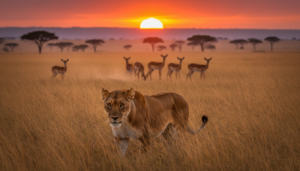
African Lion Safari: Understanding Predator-Prey Relationships in the Wild
Discover the captivating predator-prey relationships at the African Lion Safari, where you can observe the powerful African lions...

Luxury South African Safaris: Kruger, Sabi Sands and Beyond
Discover the essence of luxury South African safaris in Kruger, Sabi Sands and beyond. Our expert-led experiences immerse...
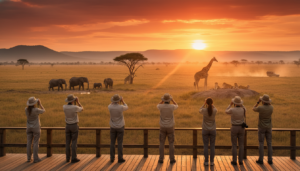
African Safari Tour Packages: How to Choose the Right One for Your Trip
Plan your unforgettable African Safari Tour with our curated packages. Experience the wilderness of East Africa guided by...