
Safari in the Serengeti: What No One Tells You Before You Go
- The Reality of the Serengeti Safari Experience
- Essential Serengeti Game Drive Tips for First-Timers
- The Truth About Safari Serengeti Logistics
- Hidden Gems Serengeti Travelers Often Overlook
- Serengeti Beyond the Big Five
- Understanding the Great Migration Cycles
- The Physical Demands of a Safari
- Choosing the Right Accommodation Style
- Serengeti Secrets for Better Photography
- Navigating Cultural Interactions Responsibly
- Health and Safety Protocols in the Wild
- The Financial Realities of Your Trip
- Packing Strategies for the Savannah
- The Environmental Impact of Your Visit
- Conclusion
- FAQ
The vast plains of East Africa hold a quiet power that defies simple description. Many travelers arrive seeking a classic Serengeti safari experience. Yet, the true essence of this landscape reveals itself only to those who look beyond the brochures. We believe that understanding the rhythm of the wilderness is the first step toward a meaningful journey.
Preparation involves more than just packing the right gear or choosing a lodge. It requires a shift in perspective, moving from a spectator mindset to one of patient observation. When you commit to a Safari Serengeti adventure, you enter a world governed by ancient cycles rather than human schedules.
We invite you to peel back the layers of this iconic destination. By focusing on the subtle details, you will find that the most profound moments often occur in the quiet spaces between the major sightings.
Key Takeaways
- Prioritize patience over the constant pursuit of the “Big Five.”
- Understand that the ecosystem dictates the pace of your daily movements.
- Pack light, but bring high-quality optics to appreciate distant details.
- Respect the local guides who possess deep, generational knowledge of the land.
- Embrace the early mornings, as they offer the most authentic wildlife encounters.
The Reality of the Serengeti Safari Experience
The Serengeti safari is more than just seeing animals. It’s a deep dive into Africa’s vast and varied ecosystems. We explore the Serengeti safari experience, uncovering its wonders.
Understanding the Scale of the Ecosystem
The Serengeti covers over 30,000 square kilometers. It’s a huge area filled with many animals. The sheer scale of the Serengeti is breathtaking, with plains that seem endless.
Conservationists say, “The Serengeti is not just a park. It’s a complex ecosystem that supports the Great Migration, one of the most spectacular wildlife events on Earth.”
“The Serengeti is not just a park, it’s a complex ecosystem that supports the Great Migration, one of the most spectacular wildlife events on Earth.”
This vastness makes the Serengeti safari more than just seeing the Big Five. It’s about experiencing nature’s grandeur.
Managing Expectations Regarding Wildlife Sightings
It’s important to manage expectations for wildlife sightings in the Serengeti. The Serengeti is known for its wildlife, but sightings can be unpredictable. Remember, the animals are wild and free-roaming.
They appear based on season, habitat, and prey availability. Knowing this helps set realistic expectations and makes the experience better.
Essential Serengeti Game Drive Tips for First-Timers
Getting ready for your first Serengeti game drive? Knowing the ropes can make your trip better. The Serengeti is a mix of amazing wildlife and stunning views. But, you need some insider tips to enjoy it fully.
First-timers might feel both excited and a bit scared for their Serengeti game drive. The wide open spaces and many animals need you to be ready and aware. Here are some key tips to help you enjoy this amazing experience safely and with respect.
The Importance of Patience in the Bush
Patience is key on a Serengeti game drive. Animals can be hard to find, and sightings are never sure. Take a deep breath and enjoy the slow pace. It’s in these quiet moments that you might see something truly special.
Being patient also lets you see more than just the Big Five. The Serengeti is full of tiny creatures like dik-diks and secretarybirds. By slowing down, you might spot these hidden gems.
Communication Etiquette Between Safari Vehicles
On a game drive, you’ll see other safari vehicles. It’s important to talk and signal well to everyone. We use radios and hand signals to share about animal sightings.
Remember to keep your distance from other vehicles and animals. This helps avoid scaring them and makes for a better view.
| Communication Method | Purpose | Best Practice |
|---|---|---|
| Radio Communication | Sharing information about wildlife sightings and locations. | Be clear and concise in your messages. |
| Hand Signals | Indicating the presence of wildlife or other important information. | Use clear, recognizable gestures to avoid confusion. |
| Vehicle Positioning | Maintaining a safe distance from wildlife and other vehicles. | Be aware of your surroundings and adjust your position accordingly. |
By following these Serengeti game drive tips, you’ll make your trip better. You’ll also help make the experience better for everyone and the animals.
The Truth About Safari Serengeti Logistics
Planning a Safari Serengeti trip means knowing the logistics well. The Serengeti’s vast and varied land needs careful planning. This ensures your trip is both comfortable and unforgettable.
Navigating the Dust and Terrain
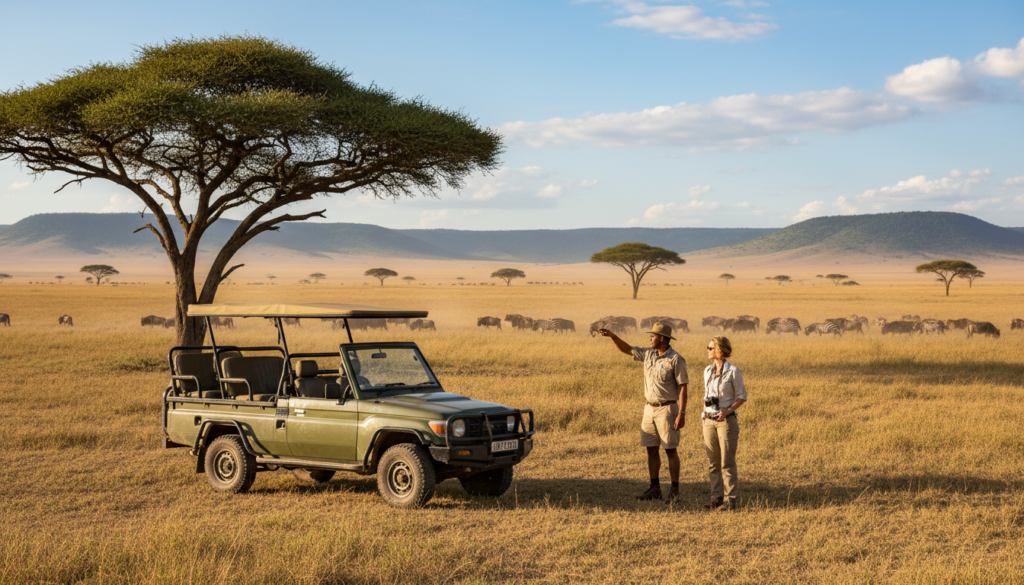
The Serengeti’s rough terrain and dusty conditions can be tough. Dust from dry seasons can affect your view and comfort. Many safari cars have dust filters and sealed interiors to keep dust out.
Navigating the terrain needs a good car and a skilled guide. The guide must know the land and its challenges. The Serengeti’s terrain changes, from open plains to wooded areas.
- Understanding the seasonal changes in terrain and weather.
- Preparing for dust by wearing appropriate clothing and using protective gear.
- Choosing a safari operator with a fleet of well-maintained vehicles designed for the Serengeti’s conditions.
Why Vehicle Choice Matters for Comfort
The vehicle you choose greatly affects your comfort on a Safari Serengeti trip. A good safari car is more than just a ride. It’s a comfortable and safe spot for wildlife watching.
Important things to think about include:
- Seating that lets you see and take photos comfortably.
- Protection from sun, wind, and dust.
- Space for your things and gear.
As a seasoned safari guide said,
“A good safari vehicle is like a second home to our guests; it needs to be comfortable, reliable, and equipped to handle the demands of the African bush.”
Choosing a safari operator with a well-kept and right vehicle improves your trip. You can then enjoy the Serengeti’s beauty more.
Hidden Gems Serengeti Travelers Often Overlook
There’s a world of untouched beauty in the Serengeti, full of hidden gems waiting to be found. While many flock to the park’s popular spots, there are hidden areas that few explore.
These hidden spots offer a unique and authentic African wilderness experience. We’ll take you to the Serengeti’s secret spots, from the rugged north to the peaceful west.
Exploring the Remote Northern Corridors
The Serengeti’s northern corridors are known for their rough terrain and few visitors. It’s a perfect place for those who love solitude and untouched landscapes. The mara rivers here are a photographer’s dream, offering stunning views.
Exploring these areas takes courage and flexibility. But the rewards are huge. You’ll see untouched wilderness and wildlife without the crowds.
The Quiet Beauty of the Western Corridor
The western corridor is different from the Serengeti’s open plains. It’s lush with vegetation and home to the Grumeti River, attracting many animals. The dense forests and grasslands offer a peaceful safari experience.
In the western corridor, the African bush comes alive. You’ll see vibrant birds and majestic trees. It’s a place for quiet reflection and connecting with nature.
Serengeti Beyond the Big Five
The Serengeti is more than just the Big Five. It’s a world of diverse and intricate life.
The savannah is full of creatures and events that are just as captivating. Small animals play big roles in keeping the ecosystem balanced.
Appreciating the Small Wonders of the Savannah
Insects like the dung beetle and the tsetse fly are key to the ecosystem. The dung beetle helps with nutrients, and the tsetse fly feeds many animals.
Small animals like the dik-dik and the bat-eared fox are vital. They help keep the Serengeti’s balance.
Birdwatching Opportunities for Enthusiasts
The Serengeti is a birdwatcher’s dream, with over 500 species. It has everything from the Martial Eagle to the Lilac-breasted Roller.
The Great Migration is a great time to see birds of prey and scavengers. Look out for the Kori Bustard and the Secretarybird.
| Bird Species | Habitat | Notable Features |
|---|---|---|
| Martial Eagle | Open plains and woodlands | Large eagle species with powerful talons |
| Lilac-breasted Roller | Open woodlands and savannahs | Vibrant plumage and acrobatic displays |
| Kori Bustard | Open grasslands | Large ground-dwelling bird with elaborate mating rituals |
Understanding the Great Migration Cycles
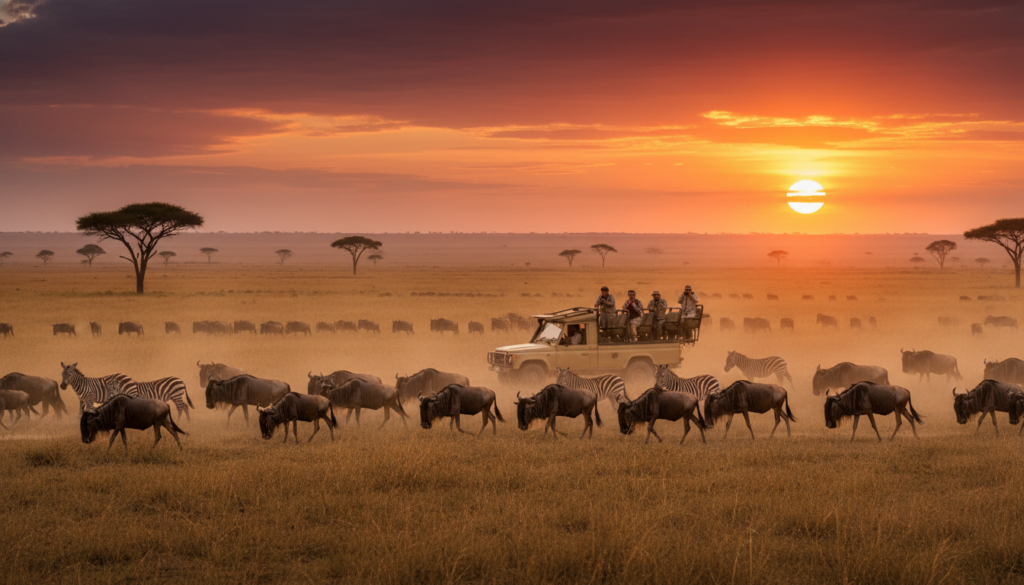
Seeing the Great Migration is a top highlight of any Serengeti safari. But, it’s hard to grasp without the right insights. Over a million wildebeest, zebras, and gazelles move across the Serengeti. They’re always searching for greener pastures.
The migration patterns change with the seasons, food, and predators. It’s a fascinating and unpredictable process. Each year, it’s different.
Debunking Myths About Migration Timing
Many think the Great Migration happens at the same time every year. But, it’s actually very variable. For example, wildebeest calving usually happens between January and March. But, it can change based on the rain.
“The migration is not just about the movement of animals; it’s about the intricate dance between the wildlife, the land, and the elements.”
Knowing these details helps visitors plan better. It increases their chances of seeing important migration events.
How to Track Herd Movements Effectively
To track the herds, you need local knowledge, observation, and understanding of environmental cues. These cues affect the migration patterns.
| Month | Typical Location of Herds | Key Events |
|---|---|---|
| January – March | Southern Serengeti | Wildebeest calving season |
| April – May | Central Serengeti | Migration towards the western corridor |
| June – August | Western Corridor and Maasai Mara | Crossing the Grumeti and Mara rivers |
By knowing these patterns and staying updated, visitors can improve their Serengeti safari experience. They’ll get to see the amazing Great Migration.
The Physical Demands of a Safari
Getting ready for your Serengeti safari means knowing the physical challenges. It’s not just about watching animals; it’s an adventure that needs fitness and stamina.
The Serengeti is huge and varied, and seeing it means lots of time in a car. This can be hard, especially on bumpy roads.
Managing Long Hours in a Vehicle
Long car rides can be exhausting. To handle this, it’s key to be comfy and ready. Wear clothes that can be layered for changing temperatures.
Also, taking breaks during drives helps. Guides stop to let you stretch and enjoy the view.
Dealing with Extreme Temperature Fluctuations
The Serengeti’s weather can be extreme, with big temperature changes. Wearing layers helps you stay comfy all day.
Also, drinking lots of water is important. It helps your body deal with the heat and dryness of the savannah.
Knowing and getting ready for these physical needs makes your safari better. It makes the trip more fun and memorable.
Choosing the Right Accommodation Style
Planning your Serengeti adventure means picking the right place to stay. The Serengeti has many options, from tented camps to luxury lodges and mobile camping. Each has its own benefits and suits different tastes and needs.
Pros and Cons of Tented Camps
Tented camps let you live close to nature. They have basic comforts and are near great wildlife spots. But, they might not have the luxury you’re used to.
The good things about tented camps are:
- Immersive wilderness experience
- Proximity to wildlife
- Basic amenities at affordable prices
The not-so-good things are:
- Limited luxury amenities
- Potential for discomfort due to weather conditions
Luxury Lodges Versus Mobile Camping
Luxury lodges offer comfort with amenities like fine dining and spas. They give a more relaxed safari feel but might be further from wildlife.
Mobile camping lets you change your itinerary easily. You can follow the Great Migration or other wildlife. But, it can be more challenging and less comfortable.
| Accommodation Type | Luxury Level | Flexibility | Proximity to Wildlife |
|---|---|---|---|
| Tented Camps | Basic | Moderate | High |
| Luxury Lodges | High | Low | Moderate |
| Mobile Camping | Variable | High | High |
Choosing between tented camps, luxury lodges, and mobile camping depends on what you value most. Think about comfort, wildlife proximity, and itinerary flexibility. Knowing the pros and cons helps you pick the best for your Serengeti trip.
Serengeti Secrets for Better Photography
Exploring the Serengeti with our cameras reveals secrets to capturing its stunning beauty. The Serengeti offers endless photo opportunities, from dawn’s golden light to dusk’s dramatic shadows.
To get the most from your photos, prepare with the right gear and know the environment. Here are tips for amazing wildlife shots.
Equipment Essentials for Wildlife Shots
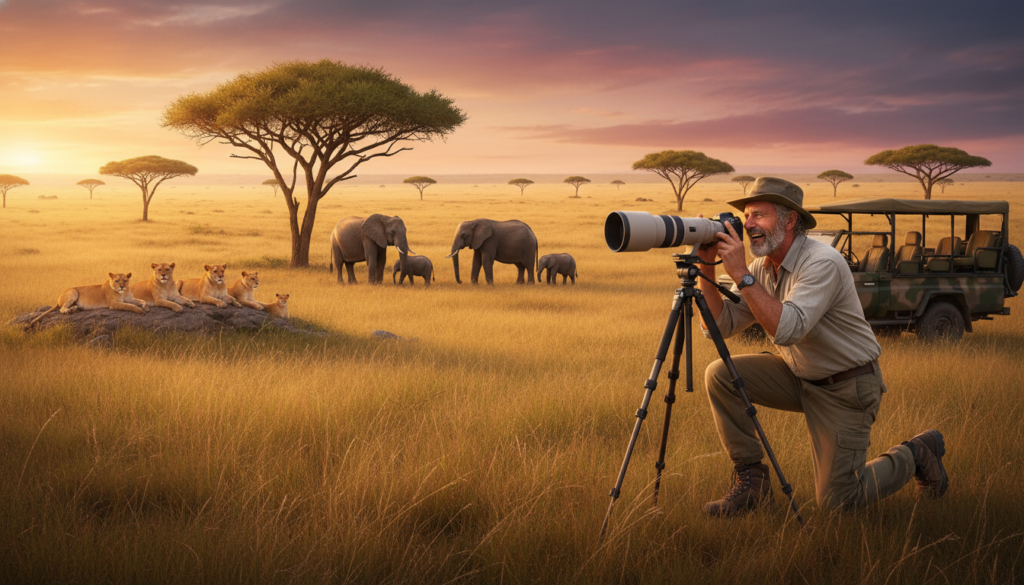
For Serengeti wildlife photos, the right gear is key. A quality telephoto lens is essential for close shots without disturbing animals. Aim for a lens of at least 200mm, but 300mm or more is better for closer views.
- A sturdy tripod or monopod helps with heavy lenses.
- A camera with good autofocus and burst mode is great for fast subjects.
- Bring extra batteries and memory cards for cold mornings.
Mastering Light and Shadow in the Serengeti
Light is crucial in photography, and the Serengeti’s light is unmatched. The golden hours of dawn and dusk offer soft, warm light that brings out colors and textures.
To master light and shadow, follow these tips:
- Go on game drives during golden hours for the best light.
- Quickly adjust your camera settings as light changes.
- Use shadows for depth, but avoid overexposure.
David Sheldrick, a famous conservationist, said, “The best camera is the one you have with you, and the best shot is the one you take with an understanding of your subject.” Knowing your subjects and their actions can lead to amazing photos.
“The best thing about photographing in the Serengeti is the ever-changing landscape and the endless opportunities it presents. It’s a photographer’s paradise.”
Navigating Cultural Interactions Responsibly
The Serengeti is more than just wildlife. It’s also about meeting the people who live here. As we see the Great Migration, we get to meet the Maasai communities.
Meeting the Maasai can be a highlight of our trip. It lets us learn about their traditions and culture. But, we must be respectful and sensitive.
Engaging with Local Maasai Communities
Meeting the Maasai is not just about learning. It also helps their economy. Many tours, like ours, support local tourism. This way, everyone gets a fair share.
Here are some tips for good interactions:
- Respect their customs and traditions.
- Ask questions politely and listen well.
- Buy local crafts to support artisans.
- Be aware of your surroundings.
By following these tips, we make our trip better. We also help the communities we visit.
The Ethics of Tourism in Protected Areas
We’re guests in the Serengeti. Our actions can harm the environment and local life.
Responsible tourism is key to protecting the Serengeti’s beauty. Places like the northern corridors are full of wildlife and landscapes untouched by humans.
Here are some important rules:
- Stay on paths to protect habitats.
- Don’t litter or throw waste improperly.
- Keep a safe distance from wildlife and don’t feed them.
- Choose tours that support conservation.
By following these rules, we help keep the Serengeti alive for future generations.
Health and Safety Protocols in the Wild
A safe and memorable safari in the Serengeti depends on knowing and following health and safety rules. Your safety is key when exploring the wild.
Managing Malaria Risks
To manage malaria risks, take preventive steps and, if needed, take medication. Talk to your doctor about the right malaria prevention for your trip.
Use insect repellents, wear protective clothes, and stay in places with mosquito screens. These steps help reduce your risk of getting malaria.
Vaccination Requirements and Precautions
Knowing the vaccinations needed for Tanzania is important. Check with your doctor or a travel clinic about needed shots. These might include yellow fever, hepatitis A, and typhoid vaccines.
Personal Safety Under the Guidance of Experts
On safari, always listen to your guides. They know how to stay safe in the wild and handle emergencies.
Stay in designated areas, keep a safe distance from animals, and follow rules for interacting with nature and local people. These steps are key for a safe and responsible safari.
Safari travel can mean long car rides and changing weather. Wear the right clothes, drink plenty of water, and take breaks. These actions help keep you comfortable and safe.
| Precaution | Description | Importance Level |
|---|---|---|
| Malaria Prophylaxis | Medication to prevent malaria | High |
| Insect Repellent | Used to prevent mosquito bites | High |
| Vaccinations | Required vaccinations for travel to Tanzania | High |
| Guide Instructions | Following guides for safe navigation and emergency response | High |
| Appropriate Clothing | Wearing suitable clothing for weather and terrain | Medium |
By following these health and safety tips, you can make your Serengeti safari better. You’ll be able to explore Serengeti beyond the Big Five safely and enjoyably.
The Financial Realities of Your Trip
Planning a Serengeti safari means more than just booking a trip. The real cost includes many other expenses. These can add up and change the total cost of your journey.
Travelers often worry about hidden costs beyond the booking fee. These can include flights, visa fees, travel insurance, and extra activities. These are not covered by the initial tour package.
Hidden Costs Beyond the Booking Fee
When planning your Serengeti safari, remember to include these costs:
- Flights to and from Tanzania
- Visa fees and any required vaccinations
- Travel insurance that covers safari activities
- Additional excursions or activities not included in the tour package
- Any personal expenses, such as souvenirs or additional travel
As one seasoned traveler noted,
“The biggest surprise for many travelers is the cost of flights and the variability in prices depending on the season.”
Knowing these costs early can help you plan a more affordable trip.
Tipping Culture and Expectations
Tipping is a big part of the safari experience. It shows thanks to guides, drivers, and camp staff. In Tanzania, tipping is expected and helps their livelihoods.
It’s wise to set aside 10% to 15% of your total tour cost for tips. Share it among your guide, driver, and camp staff to show your appreciation.
Understanding the financial side of a Serengeti safari is key. Knowing about hidden costs and tipping can help you budget better. This way, you can enjoy your trip without stress.
Packing Strategies for the Savannah
Packing for a safari in the Serengeti needs careful thought. The vast savannah, with its open plains and diverse wildlife, demands a strategy. This strategy should balance comfort, practicality, and the unpredictable African wilderness.
As we explore the Serengeti, we face a landscape that changes with the seasons and day. Knowing these changes is key for effective packing.
Layering for Early Morning and Midday
The Serengeti’s climate is extreme, from chilly mornings to hot midday. Layering clothing is crucial for adapting to these changes. We suggest packing lightweight, breathable clothes that can be layered for temperature changes.
A typical safari day starts with a cool morning around 50°F (10°C). By midday, it can be over 80°F (27°C). A good packing list should include:
| Item | Description | Utility |
|---|---|---|
| Lightweight Jacket | Breathable, water-resistant | Early morning and evening chill |
| T-shirts and Tank Tops | Moisture-wicking fabrics | Midday heat |
| Thermal Base Layers | Warm, breathable | Cold mornings and nights |
Essential Gear You Will Actually Use
It’s easy to overpack for a safari. But, the key to efficient packing is focusing on essential items. These items should serve multiple purposes or be used often.
Some must-have items for a Serengeti safari include:
- Binoculars for wildlife viewing and landscape appreciation
- Sunscreen and a hat for sun protection
- Comfortable, sturdy shoes for walking safaris or exploring lodges
- Reusable water bottle to stay hydrated and reduce waste
By focusing on these essentials and layering our clothes, we can enjoy a stress-free safari. The goal is to be ready for the Serengeti’s unpredictable environment while keeping our packing list simple and efficient.
The Environmental Impact of Your Visit
Visiting the Serengeti can harm the environment. It’s important to be careful and responsible. We must think about how our actions affect the ecosystem.
Tourism has both good and bad sides. It helps conservation by bringing in money. But, it can also hurt the environment. So, we need to act in ways that don’t harm it too much.
Conservation Through Tourism
Supporting conservation means making smart choices when we travel. Choosing tour operators like Poria Africa Adventure helps. They focus on being green and helping the Serengeti.
“Tourism can be a powerful tool for conservation, but it requires a deep commitment to sustainability and responsible practices.”
Good tour operators do many things to help the environment. They reduce waste, use clean energy, and help local people. This makes our visit better for the Serengeti.
Minimizing Your Footprint
We can all do small things to help the Serengeti. Stay on paths during drives, don’t throw trash, and keep a safe distance from animals. These actions help a lot.
| Practice | Impact | Benefit |
|---|---|---|
| Staying on designated paths | Reduces habitat disruption | Preserves natural habitats for wildlife |
| Not littering | Prevents pollution | Keeps the environment clean and safe for wildlife |
| Respecting wildlife distance | Reduces stress on animals | Promotes healthy wildlife behavior |
By following these tips, we can make our visit better. We help keep the Serengeti beautiful for others to see in the future.
Conclusion
As we wrap up our Serengeti adventure, we hope you now see its true beauty. There’s more to the Serengeti than just the Big Five. It’s full of hidden wonders waiting for you to find them.
The Serengeti has many secrets, like the remote northern areas and the Western Corridor’s quiet beauty. It also has the small wonders of the savannah and the Great Migration. Every moment here shows the beauty of nature.
We invite you to explore this amazing place with an open heart and mind. Embrace the real safari experience and all its beauty. This way, you’ll not only have a great time but also help protect this special place.
FAQ
The Serengeti is huge, covering nearly 5,700 square miles. It’s not a controlled park but a vast, natural ecosystem. Wildlife sightings are common, but you need to keep moving and look actively.
Understanding the scale helps you see the journey as much as the wildlife. It’s about the adventure through the landscape and the thrill of seeing animals.
Patience is key in the Serengeti. The bush doesn’t follow a human schedule. It’s also important to be quiet and respectful.
Ask your guide to turn off the engine sometimes. This way, you can hear birds and animals in the distance.
Many focus on the central plains, but there’s more to see. The Lamai Wedge in the north offers a unique view of the Mara River. The Western Corridor has a special riparian forest.
These places are less crowded and offer a more intimate experience.
The Serengeti is full of life beyond lions and leopards. Look for dung beetles and Lilac-breasted Rollers. Birdwatchers will find over 500 species, from Ostriches to Secretarybirds.
The Great Migration happens all year, not just in July. We track the herds based on rainfall. For example, the Southern Serengeti and Ndutu are great in February for the calving season.
The terrain is rough, and the roads are bumpy. Choose a modified 4×4 Land Cruiser with a pop-up roof for the best views. A reliable vehicle from Nomad Tanzania or Asilia Africa means more wildlife watching and less waiting for repairs.
Safaris are exciting but can be tiring. Wear layers for the changing temperatures. Stay hydrated and stretch at your camp, like at Four Seasons Safari Lodge.
A: Luxury lodges offer comfort and amenities. Mobile tented camps, like those by Singita, move with the migration. They offer a closer connection to nature.
You’ll need a telephoto lens (at least 300mm) and a beanbag for stability. The Golden Hour is key for capturing the East African light.
Visit Maasai bomas through established partnerships. Always ask permission before taking photos. Approach interactions with curiosity and respect for their traditions.
Budget for gratuities. Tip your guide to per day and camp staff to . These tips are important for the local economy. Also, watch out for “park fees” or “concession fees” not included in some packages.
Travel plastic-free and use refillable water bottles. Stay on tracks and keep noise down. Support conservation-focused operators to help protect the Serengeti.

Continue Reading

Tarangire National Park Tanzania: Why This Is the Most Underrated Safari in Africa
Immerse yourself in the untamed beauty of Tarangire National Park, Tanzania, a hidden gem that offers an unforgettable...
African Safari Hot Air Balloon: The Complete Guide to Flying Over the Serengeti
Soar over the Serengeti in a hot air balloon on an unforgettable African safari adventure. Discover the magic...
Serengeti Safari: Everything You Need to Know Before You Go
Embark on an unforgettable Serengeti Safari adventure. Our guided tours offer authentic wilderness experiences in Tanzania.