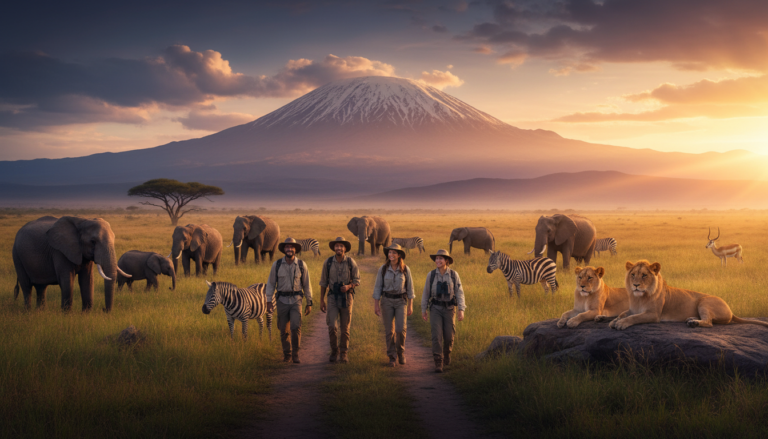
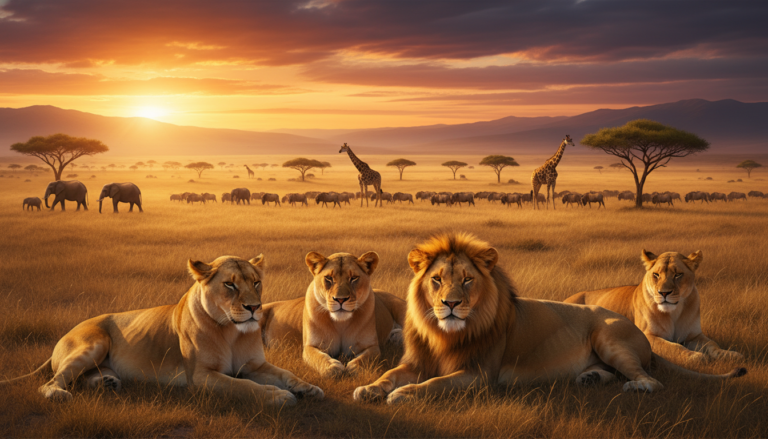
We invite you to step into the quiet majesty of the African savanna. Tarangire Tanzania is a top spot for those who love nature. It’s known for its ancient baobab trees and the wildlife’s migration across the plains.
Our 2026 guide helps you explore this unique place. Whether it’s your first Tarangire tour or you’re coming back, we offer valuable insights. We aim to make your trip unforgettable and deeply personal.
Key Takeaways
- Experience the iconic baobab-studded landscapes of the region.
- Understand the seasonal wildlife migrations that define the park.
- Learn the best timing for your visit during the 2026 season.
- Discover how to balance adventure with sustainable travel practices.
- Gain expert insights into navigating the diverse terrain safely.
The Unique Ecosystem of Tarangire National Park Tanzania
Tarangire National Park in Tanzania has a special ecosystem. It’s shaped by its geological features and the Tarangire River.
This mix makes a home for many different animals.
Geological Significance and Landscape Diversity
The park’s landscape shows its ancient history. It has old rock formations and varied terrain. This supports a wide range of plants and animals.
The landscape of Tarangire includes:
- Granite ridges that provide habitat for various species
- Volcanic rocks that enrich the soil
- Open plains that facilitate wildlife migration
- Baobab trees that are iconic to the African savannah
These geological features shape the park’s look. They also help keep its ecosystem alive.
The Role of the Tarangire River in Wildlife Survival
The Tarangire River is vital to the park. It gives water to animals when it’s dry.
Important roles of the Tarangire River include:
- Supporting large herds of elephants and other wildlife
- Creating habitats for aquatic life
- Influencing the migration patterns of animals
The unique ecosystem of Tarangire National Park comes from its diverse geology and the Tarangire River.
Knowing about these elements helps us see the park’s beauty and value.
Why Tarangire is Known as the Tanzania Elephant Park
Exploring Tarangire National Park shows why it’s called the Tanzania Elephant Park. It’s a special place for elephants. The park supports large, thriving herds.

Understanding the Massive Elephant Herds
The Tarangire River makes Tarangire a haven for elephants. The park’s ecosystem gives them the resources they need. “Elephants are the park’s most iconic residents,” a safari guide says. “Their presence shows the ecosystem’s health.”
The herds in Tarangire are huge and complex. They have a matriarchal structure. Watching them teaches us about their behavior and needs.
Conservation Efforts and Human-Wildlife Coexistence
Keeping Tarangire as the Tanzania Elephant Park is a big task. Conservation efforts are key. They include protecting habitats and reducing conflict with humans.
Dr. Jane Smith, a renowned conservationist, says, “Tarangire’s elephants need us to balance human and wildlife needs.” This balance is vital for their survival.
“The key to successful conservation lies in understanding and respecting the intricate relationships within ecosystems,” says
.
Supporting conservation and sustainable tourism helps Tarangire. It keeps the park a safe home for elephants and other wildlife.
Navigating the Tarangire Dry Season
The dry season in Tarangire, from June to October, is a special time. It’s when animals gather at water sources because of the drought. This makes it perfect for seeing wildlife up close.
Wildlife Concentration Patterns from June to October
The dry season changes Tarangire a lot. Elephants, in particular, congregate around the Tarangire River and other water sources, creating spectacular viewing opportunities. Animals without water or food come to where there is some.
This makes seeing animals better and shows how the ecosystem works. Predator-prey interactions become more pronounced as predators hunt in these areas. You might see lions, leopards, and cheetahs hunting or eating around waterholes.
Weather Expectations and Packing Essentials
The dry season in Tarangire has warm days and cooler nights. It’s important to pack layers for this. Morning and evening can be cold, while the sun in the middle of the day is hot.
To enjoy your trip, bring:
- Comfortable, neutral-colored clothing for safari
- Layers for temperature control
- Sun protection, including hats and sunscreen
- Binoculars for enhanced wildlife viewing
Knowing about the dry season and being ready for the weather makes your visit better. You’ll have a great time in Tarangire National Park.
The Best Time to Visit for Wildlife Enthusiasts
Figuring out the best time to see wildlife in Tarangire National Park is key. The park is famous for its elephants and diverse animals. Each season offers a unique experience, but some times are better for spotting animals.

Seasonal Migration Cycles Within the Park
The Tarangire River is the heart of the park. In the dry season, from June to October, animals gather around it. This makes it a prime time for wildlife watching, as Dr. Jane Smith, a renowned wildlife expert, explains.
The wet season changes the park’s look. It becomes greener, and animals spread out. This makes spotting them harder but still possible. It’s also great for birdwatching and seeing the park’s lush vegetation.
Avoiding Peak Crowds While Maximizing Sightings
Visiting in the shoulder season, November and May, can help you avoid crowds. The weather is still dry, and there are fewer tourists than in peak months.
As a safari guide once said, “The best time for a safari is when you can balance between good weather and fewer tourists.” Going out early in the morning or late in the afternoon can also help. It lets you see animals without the crowds and heat.
By knowing when animals migrate, you can plan a better trip. Whether you prefer the excitement of the dry season or the calm of the wet season, Tarangire has something for everyone.
Planning Your Ultimate Tarangire Tour
Planning a Tarangire tour means choosing the right safari experience for you. The park has many options for different interests and needs.
Choosing Between Group Safaris and Private Expeditions
Choosing between a group safari and a private expedition depends on your preferences. Group safaris are social, letting you share the adventure with others. They’re often cheaper and come with a guide.
Private expeditions offer flexibility and a personal touch. You can plan your trip around your interests, like birdwatching or photography. They also provide closer wildlife encounters since you’re not with a big group.
- Consider your budget and what you are willing to spend.
- Think about your interests and what you want to achieve from your tour.
- Decide whether you prefer a structured itinerary or flexibility.
Recommended Duration for a Comprehensive Visit
The length of your Tarangire tour greatly affects your experience. We suggest at least 3 to 4 days to see everything. This time lets you enjoy the park’s wildlife and ecosystems without rushing.
A longer stay also lets you:
- Explore different areas of the park, including less visited regions.
- Enjoy early morning and late afternoon game drives when wildlife is most active.
- Participate in guided walking safaris or other activities offered by your tour operator.
By planning well, you can have a memorable and enriching Tarangire tour that meets your expectations.
Top Wildlife Species to Spot in the Park
Tarangire National Park is famous for its rich wildlife. It’s a dream spot for those who love animals. The park has many different animals, from big predators to colorful birds and tall baobab trees.
Predator Sightings: Lions, Leopards, and Cheetahs
Tarangire is known for its many predators. Lions can be seen resting in the shade or looking for food. Leopards are harder to find but can be seen in trees or hunting. Cheetahs, the fastest animal on land, are exciting to watch as they run.
The park has so many animals because it has plenty of food. This makes it a great place to see these amazing animals in the wild.

Birdwatching Opportunities and Rare Species
Birdwatchers will love Tarangire National Park. It has over 500 bird species. You can see everything from big eagles and hawks to bright bee-eaters and kingfishers.
Some rare birds you might see include the Yellow-collared Lovebird and the Cliff Chat. The park’s different places, like forests and grasslands, help support all these birds.
The Iconic Baobab Trees and Their Ecological Importance
The park is full of baobab trees, which are very important. These trees give animals shelter, food, and water. They also keep water in their trunks to survive when it’s dry.
Baobab trees are also important culturally and help the park’s unique life. They support many living things and make the park special.
| Species | Type | Notable Characteristics |
|---|---|---|
| Lion | Predator | Social, majestic mane in males |
| Leopard | Predator | Elusive, arboreal, distinctive spots |
| Cheetah | Predator | Fastest land animal, slender build |
| Yellow-collared Lovebird | Bird | Rare, colorful plumage |
| Baobab Tree | Flora | Iconic, water storage in trunk |
Accommodation Options for Every Budget
Planning your Tarangire tour means thinking about where to stay. Luckily, Tarangire National Park has many places to stay for all budgets. You can find comfort and luxury while enjoying the African wilderness.
There’s a wide range of places to stay, from luxury to budget-friendly. This variety makes your Tarangire tour better. You can focus on enjoying the wildlife and landscapes without worrying about where to stay.
Luxury Tented Camps and Exclusive Lodges
If you want luxury, Tarangire has many high-end tented camps and lodges. They offer luxury amenities like fine dining and spas. You’ll still feel close to nature.
Here are some top luxury spots in Tarangire:
| Lodge Name | Amenities | Price Range |
|---|---|---|
| Four Seasons Safari Lodge | Luxury tents, spa, pool, guided tours | $500-$1000 per night |
| Tarangire Tented Lodge | Tented accommodations, restaurant, bar, game drives | $300-$600 per night |
| Swara Plains Camp | Luxury tents, dining area, guided walks, hot tub | $400-$800 per night |
Mid-Range Safari Camps and Public Campsites
For those on a budget, Tarangire has mid-range safari camps and public campsites. These offer a rustic feel with basic comforts.
Mid-range camps have shared dining areas and guided tours. Public campsites are more basic but let you connect with nature deeply.
These places are not just for sleeping. They add to your Tarangire tour experience. You can recharge and enjoy the park’s wonders.
Essential Logistics and Park Entry Requirements
Planning a trip to Tarangire National Park needs you to know about permits and logistics. Knowing these details makes your visit smooth and fun.
Permits, Fees, and Booking Procedures for 2026
To get into Tarangire National Park, you need the right permits and pay fees. The Tanzania National Parks authority (TANAPA) handles these tasks.
Starting in 2026, here are the fees for Tarangire National Park:
| Category | Fee (USD) |
|---|---|
| Conservation Fee (per person, per day) | $60 |
| Vehicle Entry Fee (per vehicle, per day) | $30 |
| Guide Fee (per guide, per day) | $20 |
You can book online through the TANAPA website or with approved tour operators. Booking early is smart, especially when it’s busy.
Transportation Methods to Reach the Park Gates
You can get to Tarangire National Park by road or air. It’s about 118 km from Arusha, perfect for a day trip or the start of a safari.
Here are ways to get to the park:
- Private vehicle: You can drive yourself, but hiring a local guide or driver is better for a real experience.
- Tour operator vehicles: Many tour operators include transport in their safari packages.
- Public transport: It’s available, but not the best choice for tourists because of comfort and flexibility issues.
- Charter flights: If you prefer flying, charter services from Arusha to nearby airstrips are an option.
Safety Guidelines for Safari Travelers
A safari in Tarangire Tanzania is an adventure of a lifetime. But, it’s important to know the safety guidelines. Understanding the necessary precautions and protocols is key for a safe and enjoyable trip.
Interacting with Wildlife Safely
When on a safari, it’s crucial to keep a safe distance from wildlife. Keeping a minimum distance of 10-15 meters from animals is important for your safety and theirs. Always stay in your vehicle during game drives, unless at designated spots. Our guides are trained to handle any situation, so following their instructions is crucial.
Being aware of your surroundings and recognizing potential threats is also important. This includes understanding animal behavior and being cautious with attractants like food or trash.
Health Precautions and Vaccination Advice
Before traveling to Tarangire Tanzania, consult with a healthcare professional. They will advise on necessary vaccinations and medications. Yellow fever vaccination is often recommended, and malaria prophylaxis may be prescribed due to the risk of malaria in the region.
Also, take precautions against insect bites, such as using insect repellent and wearing protective clothing. Staying hydrated and protecting yourself from the sun are also crucial for a healthy safari experience.
Photography Tips for Capturing the African Wilderness
The vast expanse of Tarangire is full of life, offering endless photo opportunities. On a Tarangire tour, the challenge is to capture the beauty of the African wilderness. This requires the right techniques and equipment.
To get the most out of your photo journey, knowing the basics of wildlife photography is key. It’s important to understand your gear and adapt to the changing African landscape.
Best Gear for Long-Distance Wildlife Shots
For wildlife shots from far away, the right gear is crucial. A telephoto lens of at least 200mm is recommended. For closer shots without disturbing animals, 300mm or more is best. A lens with image stabilization is also invaluable, helping to get sharper images.
Camera bodies with good autofocus and high ISO performance are essential. They help capture sharp images in different light conditions. Always bring a spare camera body, batteries, and memory cards to never miss a shot.

Lighting Conditions and Golden Hour Strategies
Lighting is key in photography, and Tarangire’s golden hour is the best time. The soft, warm light brings out the colors and textures of the landscape and wildlife. It creates stunning images.
To capture stunning photos during the golden hour, plan your Tarangire tour activities around these times. Start your day early and stay out late. The moments just before dawn and after dusk can also yield amazing results.
Understanding and adapting to lighting conditions will greatly improve your photography. Experiment with different settings and compositions to find what works best for you.
Cultural Encounters Near the Park Boundaries
Exploring beyond Tarangire National Park reveals a rich cultural tapestry. This tapestry is deeply rooted in Tanzania’s heritage. The areas around the park are home to vibrant communities that have lived alongside wildlife for centuries.
These communities offer a unique look into traditional Tanzanian life. Their connection to the land and wildlife shapes their customs and beliefs. Interacting with them helps us understand the Tarangire ecosystem better.
Engaging with Local Maasai Communities
The Maasai are a well-known tribe in East Africa. They are famous for their cultural practices and traditional clothing. Visiting a Maasai village or participating in their cultural activities is enriching.
We can learn about their jumping dance, the adumu, and their beadwork. These traditions hold deep cultural significance. Interacting with the Maasai allows us to share and learn from each other.
Supporting Sustainable Tourism Initiatives
Engaging with local communities means supporting sustainable tourism. By choosing community-based tourism, we help the local economy grow. We also support the conservation of cultural heritage.
Supporting local artisans and participating in community-led tours are ways to help. These actions ensure tourism benefits everyone and preserves cultural integrity.
Embracing cultural encounters makes our Tarangire experience richer. It also helps sustain the region’s cultural and natural resources for the future.
Combining Tarangire with Other Northern Circuit Parks
For those eager to see all of Tanzania’s wildlife, Tarangire is often paired with other Northern Circuit spots. This mix gives a rich and varied safari journey. It highlights the special features of each park.
When planning a trip to multiple parks in Tanzania, making a smooth itinerary is key. The Northern Circuit, with Tarangire, Ngorongoro, and Serengeti, offers a wide range of ecosystems and wildlife. This makes for a unique safari experience.
Creating a Seamless Itinerary with Ngorongoro and Serengeti
Start by knowing what each park is known for. Tarangire is famous for its elephants and baobab trees. Ngorongoro is known for its crater and varied wildlife. Serengeti, with its vast plains, is the quintessential African safari spot, especially during the Great Migration.
Plan for at least 7 to 10 days to travel between parks and enjoy wildlife. A common plan is to start in Tarangire, then Ngorongoro for a couple of days, and finally Serengeti for the rest of the trip.
Travel Routes and Time Management Between Parks
The roads between Tarangire, Ngorongoro, and Serengeti are well-kept. But, the travel times are long, so planning is essential.
The drive from Tarangire to Ngorongoro takes about 4 to 5 hours. The trip from Ngorongoro to Serengeti is 2 to 3 hours. Knowing these times helps plan your trip well, making your safari stress-free and memorable.
With the right planning, your trip to Tanzania’s Northern Circuit will be unforgettable. It will show you the best of what the area has to offer.
Expert Tips for a Successful 2026 Safari
A successful Tarangire safari needs more than just a desire to explore. It requires careful planning and insider tips. We’ll share our expertise to help you make the most of your Tarangire tour.
Common Mistakes to Avoid During Your Trip
When planning your Tarangire dry season adventure, watch out for common mistakes. One error is not packing the right clothes for the weather. The dry season, from June to October, can be chilly in the mornings and evenings. So, don’t forget to bring warm clothes.
Another mistake is not booking your safari tours early. During peak season, the park gets crowded, and popular tours fill up fast.
| Mistake | Consequence | Prevention |
|---|---|---|
| Not packing warm clothing | Discomfort during early morning and late evening game drives | Bring layers for varying temperatures |
| Not booking tours in advance | Missing out on preferred tour dates or operators | Plan and book your safari tours early |
| Ignoring health precautions | Risk of illness or injury | Consult your doctor and take necessary vaccinations |
How to Maximize Your Time in the Bush
To get the most out of your Tarangire time, focus on early morning and late afternoon game drives. These times are when wildlife is most active. Also, take time to enjoy the park’s unique landscape and vegetation.
Knowing how wildlife moves during the dry season can improve your safari. As water sources dry up, animals gather at the remaining waterholes. This makes them easier to see.
Key Takeaways:
- Be prepared for variable weather conditions.
- Plan ahead and book your tours early.
- Make the most of early morning and late afternoon game drives.
Conclusion
Our guide to Tarangire Tanzania shows it’s a top safari spot. It has diverse landscapes, rich wildlife, and cultural experiences. Visitors will surely remember their time here.
The Tarangire River is key to the park’s ecosystem. It supports a wide range of wildlife. Tarangire is famous for its elephants, making it a must-see for wildlife lovers and photographers.
When planning your trip, think about where to stay. Choose from luxury tented camps to mid-range lodges. A well-planned visit to Tarangire Tanzania will be unforgettable. It’s a chance to connect with nature and make lasting memories.
FAQ
When is the most effective time to witness high wildlife concentrations?
The Tarangire dry season, from June to October, is the best time. The dry bush forces animals to the Tarangire river. This makes it easy to see predators and prey up close.
Why has Tarangire earned the reputation of being the premier Tanzania elephant park?
Tarangire is a key home for huge elephant herds. They come for the baobab trees and the river. We watch them to learn about their social lives and travels.
What should we prioritize when planning a Tarangire tour?
Plan to spend at least two to three days. This lets you see the park’s different areas. Staying at places like Tarangire Safari Lodge is best for dawn and dusk sightings.
How do we navigate the logistics and entry requirements for 2026?
You’ll need a permit and to pay conservation fees. Use a trusted partner like Nomad Tanzania for 2026. Getting there is easy by road from Arusha, a two to three hour drive.
What makes the flora of Tarangire National Park Tanzania so ecologically significant?
The park is filled with ancient baobab trees. They are crucial for birds and elephants during the dry season. These trees make Tarangire unique.
Are there opportunities for cultural engagement near the park?
Yes, we support the Maasai communities around the park. Lodges offer cultural visits. These visits show how conservation helps the local people and land.
Which species beyond elephants are commonly sighted in the park?
You’ll see lions, leopards, and cheetahs. The river and Silale Swamp are great for birdwatching. Rare antelope like the fringe-eared oryx are also seen.
How can we best integrate Tarangire into a Northern Circuit itinerary?
Start with Tarangire for a peaceful introduction to the bush. Then go to Ngorongoro Crater and Serengeti. This order shows the beauty and variety of East Africa’s wildlife.