
Kruger National Park Safari: Complete Guide for First-Time Visitors
- Understanding the Scale and Geography of Kruger National Park
- Planning Your Kruger National Park Safari
- Choosing Between Self-Drive and Guided Safaris
- Navigating the Big Five and Wildlife Spotting
- Selecting the Best Camps in Kruger for Your Stay
- Essential Packing List for Your Safari
- Health and Safety Protocols for Visitors
- Budgeting for Your South African Safari
- Logistics and Getting to the Park
- Maximizing Your Game Viewing Success
- Cultural Experiences and Nearby Attractions
- Dining and Culinary Options Within the Park
- Photography Tips for Capturing the Perfect Shot
- Conclusion
- FAQ
Visiting South Africa’s vast wilderness needs more than a camera and adventure. A Kruger National Park Safari is best with patience and respect for nature. This place shows life in its purest form, with each sunrise offering a chance to see wildlife up close.
We aim to give you a solid Kruger National Park guide for this vast area. Knowing the terrain and wildlife habits makes your trip more than just a visit. We’ve collected key Kruger safari tips to help you truly connect with the savanna’s heart.
Key Takeaways
- Prioritize early morning and late afternoon game drives for the best wildlife activity.
- Respect the distance between your vehicle and the animals to ensure their natural behavior.
- Pack neutral-colored clothing to blend into the environment and minimize disturbance.
- Stay hydrated and carry binoculars to spot details often missed by the naked eye.
- Embrace the silence of the bush to fully appreciate the sounds of the wilderness.
Understanding the Scale and Geography of Kruger National Park
Kruger National Park covers nearly 20,000 square kilometers. It offers a vast and varied landscape for an unforgettable safari. Its size supports a wide range of habitats, home to many species of wildlife.
The park’s geography includes diverse ecosystems. You’ll find open savannas, dense woodlands, riverine forests, and rocky outcrops. This variety supports a rich variety of flora and fauna, making Kruger a top spot for wildlife lovers.
The Three Distinct Zones of the Park
Kruger National Park is divided into three zones. Each zone has its own unique features and wildlife viewing opportunities. The northern region is rugged and less visited, perfect for those seeking solitude.
The central region is the most accessible and popular. It has a high concentration of wildlife around Satara and Nelspruit. The southern region offers a more leisurely safari experience with diverse habitats and abundant wildlife.
| Region | Characteristics | Wildlife Viewing |
|---|---|---|
| Northern | Rugged, less visited | Lions, leopards, elephants |
| Central | Accessible, popular | High concentration of wildlife |
| Southern | Diverse habitats | Varied wildlife, leisurely experience |
Navigating the Vast Wilderness
Navigating Kruger’s vast wilderness requires understanding its layout and ecosystems. For a self-drive Kruger experience, it’s important to know the park’s road network. Use GPS or maps to help navigate.
Take your time and be observant. The park’s wildlife can often be seen roaming freely. Using the park’s sightings boards and community apps can also help you spot more wildlife.
Planning Your Kruger National Park Safari
Planning a safari in Kruger National Park is crucial for a great experience. We must think about when to visit and how long to stay. These choices greatly impact our adventure.
Determining the Best Time to Visit
The best time to visit Kruger depends on what you want to see and do. The park has a wet and dry season, each with its own wildlife viewing opportunities.
The dry season, from May to September, is great for spotting animals. This is because they gather near water sources when it’s dry. It’s perfect for seeing many different animals.
The wet season, from October to April, offers a different view. The park is green and full of new life. But, the thick vegetation can make it harder to see animals.
| Season | Months | Characteristics | Best For |
|---|---|---|---|
| Dry Season | May to September | Sparse vegetation, animals around water sources | Wildlife viewing, spotting a variety of animals |
| Wet Season | October to April | Lush landscapes, newborn animals | Scenic landscapes, observing animal births |
Duration Recommendations for First-Timers
First-timers should plan to stay at least 3 to 4 days. This time allows us to see more of the park and increases our chances of seeing the Big Five.
Staying longer also lets us try other activities. We can go on guided walks, watch birds, or just enjoy the African savannah.

Choosing Between Self-Drive and Guided Safaris
Kruger National Park has two main safari choices: self-drive and guided tours. Each has its own benefits. It’s important to think about these when planning your trip.
The Freedom of a Self-Drive Adventure
A self-drive Kruger safari lets you explore at your own pace. It’s perfect for those who like being independent. You can stop whenever you want and choose your path.
Benefits of Professional Guided Game Drives
Guided safaris Kruger come with expert guides. They know a lot about the park’s animals and plants. Guides also teach you about the animals and their homes.
Let’s look at the main differences between self-drive and guided safaris:
| Aspect | Self-Drive Safari | Guided Safari |
|---|---|---|
| Flexibility | High – Create your own itinerary | Moderate – Follow the guide’s plan |
| Expertise | Low – Relies on personal knowledge | High – Guides provide extensive knowledge |
| Wildlife Spotting | Moderate – Dependent on visitor’s skill | High – Guides know animal habitats |
Choosing between self-drive and guided safaris in Kruger depends on what you want. Both offer special experiences. Knowing the benefits of each helps you decide.
Navigating the Big Five and Wildlife Spotting
Kruger’s vast wilderness is home to an incredible array of wildlife. The Big Five – lions, leopards, elephants, rhinos, and buffalo – are a major draw. Understanding their behavior and habitats is crucial for a successful wildlife spotting experience.

Tracking Lions, Leopards, and Cheetahs
The Big Cats of Kruger are a thrilling sight for any visitor. Lions, with their majestic manes and powerful roars, are often found in the grasslands and savannas. Leopards, on the other hand, are elusive and prefer the cover of dense vegetation, making them a challenging but rewarding sighting. Cheetahs, the fastest land animal, can be spotted in the open plains, where they use their speed to hunt unsuspecting prey.
To increase your chances of spotting these magnificent creatures, it’s essential to be in the right location at the right time. Early morning and late afternoon game drives are ideal, as these are the times when the Big Cats are most active.
Observing Elephants, Rhinos, and Buffalo
The other members of the Big Five – elephants, rhinos, and buffalo – are equally fascinating. Elephants, with their large ears and tusks, can be seen roaming the woodlands and savannas, while rhinos prefer the grasslands and open areas. Buffalo, known for their unpredictable behavior, are often found in large herds near water sources.
When observing these animals, it’s crucial to maintain a safe distance and be aware of their body language. Understanding their behavior will not only enhance your wildlife spotting experience but also ensure your safety.
By following these wildlife spotting tips and being patient, you can have a memorable and enriching experience in Kruger National Park.
Selecting the Best Camps in Kruger for Your Stay
Choosing the right camp in Kruger is key for a great stay. The park has many places to stay, from SANParks-run rest camps to private lodges. Each offers something different.
Think about what you want from your stay. Public rest camps are good for a social vibe and basic comforts. Private lodges and concessions offer luxury and privacy.
Public Rest Camps Managed by SANParks
Public rest camps are run by SANParks. They have rooms for all budgets and come with amenities like restaurants and pools.
These camps are perfect for those who want to be in the heart of the action. They have restaurants, shops, and a lively atmosphere.
Key Features of Public Rest Camps:
- Variety of accommodation options
- Essential amenities like restaurants and shops
- Social atmosphere
Private Concessions and Luxury Lodges
Private concessions and luxury lodges offer a top-notch experience. They’re in the best spots in the park, with amazing views and exclusive game viewing.
These places are for those who want a luxury safari. They offer guided tours and fine dining.
Key Features of Private Concessions and Luxury Lodges:
- Luxurious accommodations
- Personalized services
- Exclusive game viewing opportunities
| Accommodation Type | Amenities | Atmosphere |
|---|---|---|
| Public Rest Camps | Restaurants, shops, swimming pools | Social, communal |
| Private Concessions | Luxury amenities, guided tours | Exclusive, personalized |
| Luxury Lodges | High-end dining, luxurious rooms | Luxurious, serene |
Essential Packing List for Your Safari
A well-prepared safari packing list is key to a great Kruger National Park experience. Think about the different conditions and activities you’ll face. It’s important to be ready for anything.
Choose clothes that can be layered for the day’s changing temperatures. Kruger gets very hot during the day but cools down in the mornings and evenings, especially in winter.
Clothing and Gear for Changing Temperatures
Your clothes should be comfy, practical, and match the season. Here’s what we suggest:
- Lightweight, breathable clothes for warm days
- Insulating layers for cooler mornings and evenings
- Waterproof gear for sudden rain
- Sturdy, comfy shoes for walking
Neutral or earth-toned clothing helps you blend in. This makes your wildlife viewing better.
Photography Equipment and Binoculars
Photography is a big part of the safari. To get the most out of your photography tips Kruger, bring:
- A good camera with a telephoto lens
- Binoculars for spotting wildlife from afar
- A tripod for steady shots
- Extra batteries and memory cards

Knowing your gear well lets you focus on capturing those special moments. You won’t miss a shot.
Health and Safety Protocols for Visitors
Visiting Kruger National Park is exciting, but knowing the health and safety rules is key. It’s important to stay safe and informed for a great safari trip.
Malaria Prevention and Medical Precautions
Malaria is a big worry in Kruger National Park. To stay safe, take malaria prophylaxis before, during, and after your trip. Talk to your doctor or a travel clinic to find the right medicine for you. Also, use insect repellents and wear protective clothes to avoid mosquito bites.
Here are some tips to prevent malaria:
- Use mosquito repellents with DEET, picaridin, or oil of lemon eucalyptus.
- Wear clothes that cover your skin, especially when mosquitoes are most active.
- Stay in places with screened windows and doors or air conditioning.
For more travel info and FAQs, check out Poria Africa Adventure’s FAQs page.
Rules of Conduct Around Wild Animals
It’s important to keep a safe distance from wild animals for your safety and theirs. Kruger National Park has strict rules to protect the wildlife. Here are some key guidelines:
- Always stay in your vehicle during game drives, except in special areas.
- Keep a safe distance from animals, following park rules and common sense.
- Avoid making loud noises or sudden movements that might scare the animals.
By following these rules and being careful, you can have a safe and unforgettable safari in Kruger National Park.
Budgeting for Your South African Safari
Planning your budget is key to a great Kruger National Park trip. Knowing the costs helps you make smart choices and enjoy your journey without stress.
Park Entrance Fees and Conservation Levies
Entrance fees are a big part of your Kruger safari budget. These fees help protect the park’s wildlife and nature. The cost depends on where you’re from, your accommodation, and how long you stay.
International visitors also pay a conservation levy. Always check the SANParks website for the latest fees, as they can change.
Conservation levies help keep the park’s wildlife and buildings safe. By paying these fees, you support Kruger’s diverse ecosystems.

Managing Daily Expenses and Tipping Culture
Daily costs can add up fast. Think about accommodation, food, and activities like guided tours. If you’re driving yourself, remember to budget for fuel too. It’s smart to carry both cash and credit cards, as not all places accept cards.
Tipping is common in South Africa, especially for guides and lodge staff. Aim to tip your guides 10% to 15% of the tour cost. Lodge staff appreciate a daily tip for their hard work.
Budgeting well for your Kruger safari means thinking about all these costs. By planning ahead, you can enjoy your trip knowing your finances are secure.
Logistics and Getting to the Park
Planning your Kruger National Park safari? Knowing your transport options is key for a smooth trip. We’ll help you figure out how to get there, whether by flying into nearby airports or driving from Johannesburg.
Flying into Regional Airports
Kruger National Park is easy to reach by air, with several airports nearby. The closest airports are:
| Airport | Location | Distance to Kruger |
|---|---|---|
| Hoedspruit Eastgate Airport | Near Hoedspruit | Approximately 11 km to Orpen Gate |
| Kriger National Park Airport (Kruger Mpumalanga International Airport) | Nelspruit | About 100 km to Nelspruit Gate (also known as Numbi Gate) |
| Phalaborwa Airport | Near Phalaborwa | About 5 km to Phalaborwa Gate |
These airports have charter flights and connect to major South African cities. From there, you can book shuttle services or rent a car to reach the park.
Driving Routes from Johannesburg
Driving to Kruger National Park from Johannesburg is another option. The most common route is the N4 highway to Mbombela (formerly Nelspruit). Then, take the R40 and R531 to the park’s gates.
Key driving routes and distances:
- From Johannesburg to Nelspruit Gate (Numbi Gate): Approximately 370 km, 4-5 hours.
- From Johannesburg to Phalaborwa Gate: About 470 km, 5-6 hours.
Before you go, check the road conditions and weather forecast. Make sure your vehicle is ready for the trip, especially if you’re driving in the park.
Knowing your transport options helps plan your trip to Kruger National Park. This way, you can enjoy a stress-free safari experience.
Maximizing Your Game Viewing Success
To see more wildlife in Kruger National Park, knowing the best times and strategies is key. The park’s animals are active at different times. Being in the right spot at the right time boosts your chances of seeing the Big Five and other animals.
The Importance of Early Morning and Late Afternoon Drives
Seasoned safari-goers say the early morning and late afternoon are the best for game drives. These times have comfortable temperatures and active animals, making them easier to find.
Early Morning Drives: The cool morning air gets animals moving. The soft light is perfect for photos.
Late Afternoon Drives: As it cools down, animals start to get ready for night. This is a prime time to see predators like lions and leopards.
Using Sightings Boards and Community Apps
Knowing when and where to go can also improve your game viewing. Kruger National Park has tools to help you make the most of your safari.
- Sightings Boards: At rest camps and major spots, these boards show recent animal sightings.
- Community Apps: Apps let visitors share and find real-time info on animal sightings, road conditions, and tips.
By timing your drives right and using these resources, you can greatly increase your chances of a great game viewing experience in Kruger National Park.
Cultural Experiences and Nearby Attractions
The Kruger experience is more than just wildlife. The Panorama Route and local communities are waiting to be explored. As you enjoy Kruger National Park’s beauty, you can also learn about its rich culture.
Exploring the Panorama Route
The Panorama Route is a scenic drive through South Africa’s stunning landscapes. It has amazing viewpoints, villages, and historical sites. The Blyde River Canyon is a highlight, with breathtaking views.
Driving the Panorama Route, you’ll see attractions like God’s Window and the Three Rondavels. These spots are not just beautiful but also full of local stories and legends.
Engaging with Local Communities
Visiting Kruger National Park means meeting local communities. The area has many vibrant communities with their own culture and traditions. You can learn about their lives by visiting villages, attending performances, or going on community tours.
Visiting local markets is a great way to support local artisans. You can also explore cultural villages to learn about traditional practices. These experiences make your trip more meaningful and help the local economy.
Exploring the Panorama Route and meeting local communities adds depth to your Kruger safari. It makes your trip more memorable and enriching.
Dining and Culinary Options Within the Park
The food scene in Kruger National Park is as varied as its animals. You can find everything from simple meals to fancy dining. There’s something for everyone’s taste and needs.
Self-catering is a great option in Kruger. The rest camps have kitchens where you can cook your own food. This way, you can enjoy home-cooked meals in the African wilderness.
Self-Catering Facilities in Rest Camps
The self-catering spots in Kruger’s rest camps have everything you need. They have kitchens with all the tools and appliances. It’s perfect for families and groups who like to eat when they want.
Key Features of Self-Catering Facilities:
- Fully equipped kitchens with cooking utensils and appliances
- Flexible meal times to suit individual preferences
- Ability to cater to specific dietary needs
- Cost-effective for families and larger groups
If you don’t want to cook, Kruger has many restaurants and catering services. They are found in rest camps and luxury lodges.
Restaurant and Catering Services
For a relaxed dining experience, Kruger’s restaurants and catering services offer tasty meals. They serve everything from breakfast to dinner, often using local ingredients. You can find the perfect meal for any time of day.
Some of the highlights of Kruger’s restaurant and catering services include:
- Diverse menus featuring local and international cuisine
- Convenient meal times to fit various schedules
- Opportunities to enjoy meals in unique settings, such as outdoor dining areas
Whether you cook yourself or eat out, your dining experience in Kruger National Park will be unforgettable. It’s a highlight of your safari trip.
Photography Tips for Capturing the Perfect Shot
To truly capture the beauty of Kruger, one must understand the intricacies of wildlife behavior, the subtleties of light, and the ethics of wildlife photography.
Understanding Lighting and Animal Behavior
Lighting is key in wildlife photography. The golden hours of early morning and late afternoon offer soft, warm light. This light enhances the natural colors of the African savannah.
Early morning light is perfect for capturing the Big Five. They are most active then. The soft light also reduces harsh shadows, making for more detailed photos.
Animal behavior is crucial too. Knowing the patterns and habits of the animals you want to photograph can greatly improve your chances of getting amazing shots.
| Time of Day | Best for | Lighting Conditions |
|---|---|---|
| Early Morning | Big Five, Predators | Soft, Golden Light |
| Late Afternoon | General Wildlife, Landscapes | Warm, Soft Light |
| Midday | Resting Animals, Birds | Harsh, Overhead Light |
Ethical Wildlife Photography Practices
Ethical considerations are crucial in wildlife photography. It’s important to respect animals’ space and not disrupt their natural behavior for a photo.
We suggest keeping a safe distance, avoiding baiting or luring animals, and never touching or feeding them. These practices keep both humans and animals safe. They also help in conserving Kruger’s wildlife.
By following these guidelines, you can have a rewarding photography experience in Kruger National Park. You’ll also help preserve its incredible biodiversity.
Conclusion
Reflecting on a Kruger National Park Safari, we see that planning is crucial. Knowing the park’s vast wilderness is key to a great experience. By planning well, you can see the amazing wildlife Kruger offers.
A good safari is more than just seeing animals. It’s about enjoying the park’s beauty and respecting nature. This guide aims to help you make unforgettable memories, connecting you with Africa’s wild.
Now, you’re ready for your Kruger National Park Safari. Get ready to explore the wonders of this amazing place. This will be a memorable end to your travel plans.
FAQ
The dry winter months, from May to September, are the best times. During this period, animals gather near water, making sightings easier. Summer brings new life, but winter is better for spotting rare species.
Both options have their perks. Self-driving lets you explore at your own pace. Guided tours offer expert insights and help spot hidden animals. We recommend trying both for a complete experience.
Lower Sabie is great for seeing leopards and hippos. Satara is known for lions. Skukuza has modern amenities, while Olifants offers stunning views.
Be patient and watch during the golden hours. Use sightings boards and apps for updates. But the real joy is in the surprises you find.
Fly into Kruger Mpumalanga International Airport (MQP) or Skukuza Airport (SZK). The drive from Johannesburg is about five to six hours. The N4 highway is well-maintained and scenic.
Kruger is great for families. Main camps are safe, but some activities have age limits. The southern region is best for family self-drives, with lots of wildlife.
Kruger is in a malaria area. See a travel clinic for advice on prevention. Use repellents and wear long sleeves at night to stay healthy.
Pack light, neutral clothes for blending in. Bring layers for cool mornings. Don’t forget binoculars and a good camera for wildlife photos.

Continue Reading
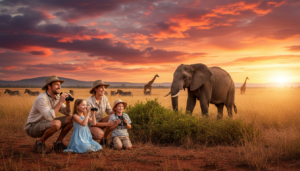
Family African Safari: How to Plan the Perfect Trip With Kids
Craft the ultimate family African safari with our expert guidance. Learn how to create an unforgettable wilderness experience...
Africa Safari: Your Ultimate A to Z Planning Guide
Discover the ultimate Africa safari planning guide - from A to Z. Explore the best destinations, activities, and...

Luxury South African Safaris: Kruger, Sabi Sands and Beyond
Discover the essence of luxury South African safaris in Kruger, Sabi Sands and beyond. Our expert-led experiences immerse...