
Ngorongoro Crater Tanzania: The Safari Destination Inside a Volcano
- The Geological Marvel of the Ngorongoro Crater In Tanzania
- Understanding the Ngorongoro Conservation Area
- Wildlife Spectacle: What to Expect on Your Safari
- Best Time to Visit for an Optimal Tanzania Crater Tour
- Planning Your Ngorongoro Crater Safari Logistics
- Accommodation Options Inside and Around the Crater
- Essential Gear and Packing Tips for Your Trip
- Navigating the Descent: The Safari Experience
- Cultural Encounters Near the Conservation Area
- Safety and Health Considerations for Travelers
- Sustainable Tourism and Conservation Efforts
- Combining Your Crater Visit with Other Tanzanian Destinations
- Conclusion
- FAQ
Step into a world where time seems to stand still. Deep within a massive volcanic caldera, a hidden wilderness thrives. It offers an experience unlike any other on the African continent.
This natural sanctuary is a home for diverse species. Our team offers an authentic Ngorongoro Crater safari. It’s designed for those who seek a deep connection with the land. We focus on quiet observation, ensuring your journey respects the delicate balance here.
Choosing a Tanzania crater tour means seeing a self-contained ecosystem. Here, predators and prey live together. We share our deep knowledge of this unique place to help you understand the wild’s complex rhythms. Join us as we explore this ancient, sunken landscape together.
Key Takeaways
- The caldera functions as a self-sustaining ecosystem for diverse wildlife.
- Expert guidance ensures a respectful and authentic wilderness encounter.
- The location offers a rare opportunity to observe predators and prey in close proximity.
- We emphasize depth and understanding over traditional tourist spectacles.
- This destination provides a unique geological perspective on East African landscapes.
The Geological Marvel of the Ngorongoro Crater In Tanzania
The Ngorongoro Crater is a natural wonder in Africa. It shows Tanzania’s rich geological history. This section explores how the crater was formed and its unique ecosystem.
Formation of the Caldera
About 2.5 million years ago, a massive volcanic eruption created the Ngorongoro Crater. This eruption caused the volcano’s cone to collapse, forming a large caldera. Over time, the crater floor became sealed, creating a special environment.
This environment is home to a diverse ecosystem. It supports a wide range of plants and animals.
The Unique Ecosystem Within the Walls
The crater’s ecosystem is full of different plants and animals. The crater walls create a microclimate. This supports various habitats, from grasslands to forests.
Inside the crater, you’ll find a saline lake, rivers, and swamps. These features add to the ecosystem’s diversity.
The Ngorongoro Crater is part of the Ngorongoro Conservation Area, a UNESCO World Heritage Site. This area is known for its biodiversity and cultural importance. It’s home to the Maasai people.
The crater’s unique geography supports a wide range of wildlife. This includes the Big Five.
- Diverse wildlife, including lions, elephants, and rhinos
- A variety of habitats, from grasslands to forests
- A saline lake and other water sources
- A unique microclimate created by the crater walls
Understanding the Ngorongoro Crater’s geological history and ecosystem is important. It shows why conservation efforts are crucial here. The crater is not just a natural wonder but also a vital habitat for many species.
Understanding the Ngorongoro Conservation Area
Exploring the Ngorongoro Conservation Area reveals a mix of conservation and community. This special area in Tanzania includes the Ngorongoro Crater and the highlands around it. It’s a diverse place where many animals and people live together.
Distinction Between National Park and Conservation Area
The Ngorongoro Conservation Area is different from national parks. It lets people and animals live together, unlike national parks. This way, the area works well for both wildlife and the Maasai people who have lived here for a long time.
- Human habitation: Conservation areas allow local communities to live inside the protected area.
- Land use: You can use the land for grazing, farming, and wildlife conservation at the same time.
- Management: More people, including local communities and conservation groups, help make decisions.
The Role of the Maasai People
The Maasai people are key to the Ngorongoro Conservation Area. Their traditional ways and knowledge help protect the area. They live in a way that works with the area’s conservation goals.

The Maasai and conservation teams work together well. This partnership makes sure conservation is done in a way that respects local traditions. Supporting the Maasai helps protect the environment and helps the local people too.
Wildlife Spectacle: What to Expect on Your Safari
As we enter the Ngorongoro Crater, the variety of wildlife is striking. This unique ecosystem supports many animals, making it a top safari spot in Africa.
The Ngorongoro Crater is a wildlife paradise. It has different habitats like grasslands, forests, and wetlands. This variety of habitats supports a wide range of species. “The Ngorongoro Crater is a microcosm of African wildlife,” notes a renowned conservationist,
“where the Big Five roam alongside numerous other species, creating a truly immersive safari experience.”
The Big Five and Their Presence
The term “Big Five” includes the lion, leopard, rhinoceros, elephant, and Cape buffalo. Spotting these animals is a highlight of any African safari. The Ngorongoro Crater is great for seeing the Big Five because of its dense populations and small area.
Lions are common, with their majestic manes and powerful roars. Leopards are harder to find but can be spotted in the wooded areas. The elephant population thrives, with large herds often seen. Cape buffalo, known for their unpredictable nature, are also present in large numbers.
The Rare Black Rhino Ngorongoro Population
The Ngorongoro Crater is a key habitat for the critically endangered black rhinoceros. Conservation efforts have helped stabilize the black rhino Ngorongoro population. This makes the crater one of the few places in Africa where visitors can reliably see these magnificent creatures. The crater’s enclosed environment and conservation efforts provide a safe haven for the black rhino.
Seeing a black rhino in its natural habitat is a rare privilege. Our guides know the rhinos’ habits and habitats, increasing the chances of spotting these incredible animals.
Birdlife and Migratory Species
Beyond the Big Five and the black rhino, the Ngorongoro Crater is a haven for birdlife. It has over 500 species recorded, making it a birdwatcher’s paradise. From the majestic ostrich to the colorful lilac-breasted roller, the crater’s birdlife is as diverse as it is abundant.
The crater’s location on the migratory route means it hosts many migratory species throughout the year. Visitors can expect to see a changing tapestry of birds, from waterfowl to raptors, as the seasons change.
Exploring the Ngorongoro Crater shows it’s a place of extraordinary natural beauty and biodiversity. The combination of the Big Five, the rare black rhino, and an incredible array of birdlife makes it a truly unique safari destination.
Best Time to Visit for an Optimal Tanzania Crater Tour
When you plan your visit to the Ngorongoro Crater, the timing matters a lot. We’ll look at the dry and green seasons to help you plan your trip.
The Dry Season Advantage
The dry season is from June to October. It’s the best time for game viewing. The plants are thin, and water is scarce, so animals gather at waterholes.
This makes it easy to see many animals, including the Big Five. It’s great for those who want to see lots of wildlife in a small area.
The Green Season and Wildlife Births
The green season is from November to May. It’s different because of the lush plants and many newborn animals. This is when many species have their babies.
This season is perfect for seeing the cycle of life and enjoying the crater’s green landscapes. It also brings many migratory birds, making the wildlife viewing even better.
| Season | Characteristics | Wildlife Viewing |
|---|---|---|
| Dry Season (June to October) | Sparse vegetation, limited water sources | High concentration of wildlife around waterholes |
| Green Season (November to May) | Lush vegetation, abundant water | Newborn animals, migratory birds, lush landscapes |
Planning Your Ngorongoro Crater Safari Logistics
Planning well is key for a great Ngorongoro Crater safari. It makes your trip memorable and stress-free. This Tanzanian wonder is a must-see.
Getting to the Crater
The Ngorongoro Crater is in northern Tanzania, about 180 kilometers west of Arusha. You can drive from Arusha in 4-5 hours, depending on the roads and traffic. Or, fly into Kilimanjaro International Airport and then take a charter flight to the Ngorongoro Crater.
For a relaxed trip, guided tours offer transportation from Arusha or other cities. They make your safari experience easy and worry-free.
Entry Permits and Regulations
You’ll need permits to enter the Ngorongoro Conservation Area. These include a conservation fee and a vehicle fee. It’s important to check the latest fees and rules.
- Conservation fees help keep the area beautiful and protected.
- Vehicle fees are for all cars entering the crater.
- You might need extra permits for certain activities.
Always check the latest info from official sources or your tour operator. This ensures you follow all rules.
Choosing the Right Safari Vehicle
Picking the right safari vehicle is crucial. The crater’s terrain is tough, with steep slopes and rough ground. A 4×4 vehicle is a must for these conditions.
Consider these when choosing a vehicle:
- Terrain capability: Make sure it can handle off-road driving.
- Comfort: Choose a vehicle with good seating and protection from the weather.
- Guided tours: Many tours offer vehicles with experienced guides.
With good planning, you’re set for an amazing Ngorongoro Crater safari.
Accommodation Options Inside and Around the Crater
The Ngorongoro Crater has many places to stay, from fancy lodges to simple campsites. There’s something for everyone, whether you want luxury or a budget-friendly stay. You can choose based on what you like best.
Luxury Lodges on the Crater Rim
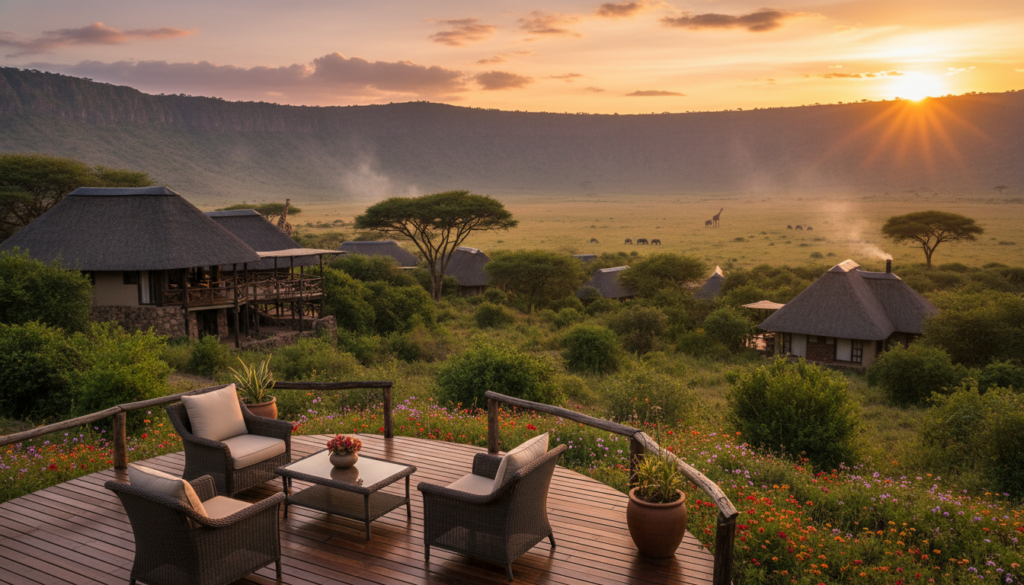
Looking for luxury? The crater rim has top-notch lodges with amazing views and great amenities. Lodges such as Ngorongoro Crater Lodge offer comfy rooms, fine meals, and tours. It’s a great way to experience the Ngorongoro Crater safari.
These fancy lodges provide a peaceful stay with pools, spas, and crater views. Guests can go on game drives, watch birds, and visit Maasai communities. It’s a rich Tanzanian experience.
Mid-Range and Budget Campsites
For those watching their budget or wanting a simple stay, there are mid-range and budget campsites. They range from basic tents to sites with hot showers and dining areas.
For a real feel of nature, some camps offer tented accommodations. They still have the basics but let you connect with nature. These places also offer game drives and activities, making your safari affordable.
Think about what you want when picking your place to stay. Look at how close it is to the crater, what amenities it has, and the kind of experience you want. Each choice has its own charm, making your Tanzanian trip unforgettable.
Essential Gear and Packing Tips for Your Trip
Getting ready for your Ngorongoro Crater adventure means packing the right gear. The crater’s changing temperatures and diverse wildlife need careful thought. What you bring is key to a great safari.
The wildlife in Ngorongoro lives in a fine balance. Your visit should respect this balance. Pack lightly but effectively for a comfortable and fun trip.
Clothing for Variable Temperatures
The temperature in Ngorongoro Crater changes a lot between day and night. Layered clothing helps you stay comfortable with these changes.
- Lightweight, breathable clothes for daytime drives
- Warm layers for cooler mornings and evenings
- Waterproof gear for sudden rain
Good, sturdy shoes are a must for walking tours or exploring the crater rim. Choose shoes that are durable and fit for uneven terrain.
Photography Equipment for Wildlife Shots
Right photography gear is key to capturing Ngorongoro wildlife beauty. A quality camera with a telephoto lens is essential. It lets you take clear, close-up shots without disturbing the animals.
Key photography equipment includes:
- A DSLR or mirrorless camera with manual controls
- A telephoto lens (at least 200mm) for wildlife shots
- A tripod or monopod for camera stability
- Extra batteries and memory cards for more shooting
Packing the right gear and being mindful of your impact ensures a fulfilling safari in Ngorongoro Crater.
Navigating the Descent: The Safari Experience
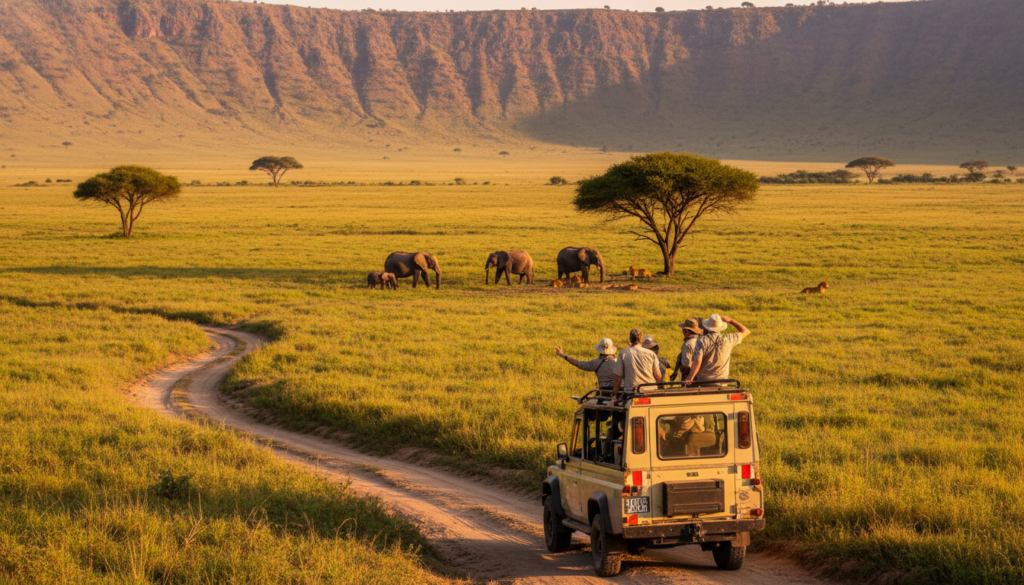
Our safari adventure starts as we head down the steep walls of the Ngorongoro Crater In Tanzania. The journey down is thrilling, with the landscape opening up like a natural theater. It’s full of life.
The Drive Down the Crater Walls
The trip down into the Ngorongoro Crater is well-planned. Our guides know the terrain well and make sure we have a fun and safe ride to the bottom. As we descend, we see the varied ecosystem that makes the Ngorongoro Crater special.
Game Drive Etiquette and Rules
When we’re on game drives in the Ngorongoro Crater, we follow important rules. These rules help everyone have a good time and keep the animals safe. We stay far from the animals, make little noise, and listen to our guides.
To enjoy your safari and help protect the wildlife, learn about our safari guidelines and rules.
Game Drive Best Practices
| Best Practice | Description | Benefit |
|---|---|---|
| Maintain Silence | Keep noise levels down during game drives | Less disturbance to wildlife |
| Follow Guide Instructions | Adhere to the guide’s directions and advice | Enhanced safety and viewing experience |
| Respect Wildlife Space | Keep a safe distance from animals | Reduced stress on animals and safer for visitors |
Cultural Encounters Near the Conservation Area
The Ngorongoro Conservation Area is more than just a place to see animals. It’s also home to the Maasai people. They have lived in harmony with nature for centuries.
Visitors can learn a lot from the Maasai community. This experience helps you understand their traditions and way of life. It shows how they have kept their culture alive despite changes.
Visiting a Traditional Maasai Boma
Seeing a traditional Maasai boma is a must. A boma is a homestead made from natural materials. It’s surrounded by a thorn fence to keep out predators.
When you visit, you get to see the community’s life up close. You can learn about Maasai crafts and the importance of cattle in their culture.
Understanding Local Traditions and Crafts
The Maasai people have a rich cultural heritage. Their traditions and crafts are vibrant and meaningful. For example, the Emuratta ceremony marks important life events.
Maasai crafts are not just beautiful. They carry deep cultural meaning. Beadwork, for instance, shows status, spirituality, and community identity. Talking to local artisans lets you see the skill and meaning behind these crafts.
| Craft | Significance | Materials Used |
|---|---|---|
| Beadwork | Signifies status, spirituality, and community identity | Colored beads, thread |
| Woodcarvings | Depicts wildlife and cultural symbols | Wood, carving tools |
| Traditional Clothing | Reflects cultural identity and status | Fabric, beads, natural dyes |
Exploring the cultural aspects of the Ngorongoro Conservation Area makes your trip richer. You’ll gain a deeper understanding of the region’s heritage.
Safety and Health Considerations for Travelers
Exploring the Ngorongoro Crater in Tanzania requires careful thought about safety and health. The crater’s unique wildlife and environment pose challenges for visitors. It’s important to be ready for these.
Knowing the health precautions is vital before you start your trip. This includes knowing the needed vaccinations and how to avoid malaria. Malaria is a big concern in some parts of Tanzania.
Vaccinations and Malaria Prevention
Make sure you have all routine vaccinations before traveling to Tanzania. You should also get vaccinated against hepatitis A and typhoid. If you’re going to areas with malaria, take the right medicine to prevent it.
Malaria Prevention Measures:
- Using insecticide-treated bed nets
- Wearing protective clothing and applying insect repellent
- Taking antimalarial medication as prescribed
The risk of malaria changes by area and season. Always talk to a doctor to figure out the best plan for your trip.
Staying Safe Around Wild Animals
Wild animals are a big safety concern on a Tanzania crater tour. The Ngorongoro Crater has many animals, including dangerous ones.
To stay safe, listen to your safari guides. They know how to handle the animals. Keep a safe distance, don’t litter, and stay in designated areas.
| Safety Tip | Description |
|---|---|
| Keep a Safe Distance | Maintain a safe distance from wildlife to avoid provoking them. |
| Follow Guide Instructions | Guides are knowledgeable about the area and wildlife behavior. |
| Avoid Littering | Keep the environment clean to avoid attracting wildlife to your vehicle or campsite. |
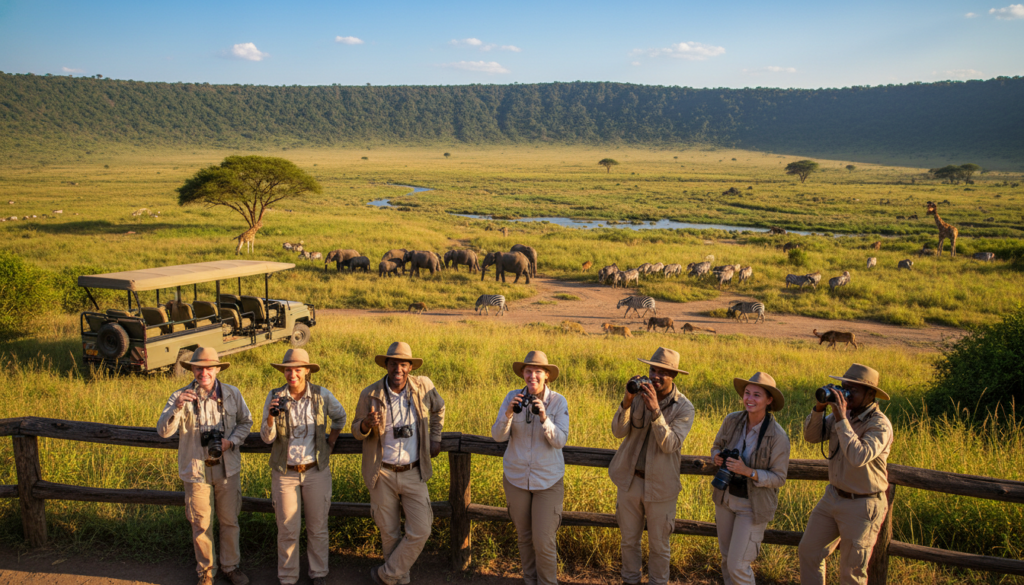
Being aware of these safety and health tips helps travelers have a great time on their Tanzania crater tour. Being prepared and respecting nature are key to a successful trip.
Sustainable Tourism and Conservation Efforts
Exploring the Ngorongoro Conservation Area shows us the need for sustainable tourism. It’s not just a place for wildlife but also a home for the Maasai community. So, we must think about both the environment and the people.
The Ngorongoro Conservation Area is a special place that needs careful management. We must make sure our visit doesn’t disrupt its natural balance.
Protecting the Fragile Environment
The Ngorongoro Crater is a delicate place with many animals, including the black rhino Ngorongoro. To protect it, we need to follow sustainable tourism. This means we should not harm the land or its creatures.
Supporting eco-friendly tour operators is a good way to do this. For example, Poria Africa Adventure focuses on sustainable tourism. They work hard to keep the Ngorongoro Conservation Area safe.
| Conservation Efforts | Impact | Benefits |
|---|---|---|
| Reducing waste and pollution | Minimizes harm to wildlife and their habitats | Preserves the natural beauty of the area |
| Supporting local communities | Enhances livelihoods and promotes cultural exchange | Fosters a positive relationship between tourism and local communities |
| Promoting eco-friendly practices | Encourages responsible tourism practices | Contributes to the long-term conservation of the area |
Supporting Local Communities
Helping local communities is key to sustainable tourism. By connecting with the Maasai community, we learn about their culture. We also help their economy.
“Tourism can be a powerful tool for conservation, but it must be managed carefully to ensure that it benefits both the environment and local communities.”
By choosing sustainable tourism and supporting local communities, we can protect the Ngorongoro Conservation Area. This way, we ensure it remains beautiful for generations to come.
Combining Your Crater Visit with Other Tanzanian Destinations
To fully enjoy Tanzania’s natural wonders, consider visiting other parks and reserves along with Ngorongoro Crater. This approach makes your safari more exciting and helps you understand the area’s varied ecosystems better.
The Serengeti Connection
The Serengeti National Park is famous for its wildebeest migration. It’s a perfect match for Ngorongoro Crater. Seeing the Serengeti lets you watch the migration while exploring the crater’s unique scenery.
Key Highlights of a Serengeti Visit:
- Experience the Great Migration, with over a million wildebeest, zebras, and gazelles
- Explore the diverse landscapes, from grasslands to woodlands
- Encounter a wide variety of wildlife, including the Big Five
Lake Manyara and Tarangire National Park
Lake Manyara and Tarangire National Parks are also must-sees. Lake Manyara is famous for its tree-climbing lions and birdlife. Tarangire is known for its baobab trees and large elephant herds.
| Destination | Key Attractions | Best Time to Visit |
|---|---|---|
| Serengeti National Park | Great Migration, Big Five | June to October |
| Lake Manyara National Park | Tree-climbing lions, diverse birdlife | Throughout the year |
| Tarangire National Park | Large elephant herds, baobab trees | June to October |
Visiting Ngorongoro Crater and other destinations in Tanzania will deepen your appreciation for its natural beauty and wildlife. Our guides can help plan your trip, making sure it’s unforgettable.
Conclusion
As we wrap up our exploration of the Ngorongoro Crater In Tanzania, we hope you now understand its beauty. This crater is a showcase of nature’s wonders, with its diverse wildlife and ecosystems.
We hope our shared love for nature will motivate you to explore and protect this amazing place. The Ngorongoro Crater offers a unique safari experience. You’ll see incredible wildlife and stunning landscapes.
When you plan your visit, we’re excited to help you on your safari adventure. We aim to give you real experiences with East Africa’s ecosystems. You’ll have honest, unfiltered moments in the wilderness.
FAQ
The best time is from June to October. This is when the wildlife is most active near the water sources. From November to May, the crater is green and full of life. It’s great for seeing newborn animals and birds.
It’s special because it lets the Maasai people live and graze their animals here. This is different from the Serengeti, where only animals live. It’s a place where humans and wildlife live together.
Yes, the crater is a good place to see black rhinos. They are shy, but the crater’s walls protect them. You might see them near the Lerai Forest in the morning.
Tours start in Arusha. You can drive or fly to Manyara airstrip. Remember to get your permits early. A 4×4 vehicle is needed for the steep roads down to the crater.
Staying on the rim is best for seeing the crater’s size. Places like andBeyond Ngorongoro Crater Lodge offer great views. Nomad Tanzania’s Entamanu Ngorongoro is more intimate. Simba Campsite is close to the rim for a natural feel.
The weather changes a lot. Bring layers, like a fleece and windbreaker. For photos, a 300mm lens is good for wildlife shots without disturbing them.
When visiting a Maasai boma, be respectful. Talk to the elders through your guide. Buying local crafts helps the community and keeps their traditions alive.
Yes, northern Tanzania is easy to explore. We often visit the Serengeti or Tarangire National Park. Lake Manyara is close, offering a chance to see different ecosystems.
Check with a travel clinic about malaria and vaccines. Stay in the vehicle in the crater. This keeps you safe and lets the animals roam freely.

Continue Reading

Safari Booking Guide: When, How and Where to Book Your Tanzania Safari
Discover the secrets to booking the perfect Tanzania safari with our comprehensive guide. Learn when, how and where...
Visiting the Crater in Tanzania: What to Expect on Your Game Drive
Discover the wonders of the Crater In Tanzania on a captivating game drive, immersed in a world-renowned natural...

The Crater Tanzania: Exploring Africa's Most Extraordinary Wildlife Arena
Immerse yourself in the untamed beauty of Crater Tanzania, where Africa's most extraordinary wildlife roams free.