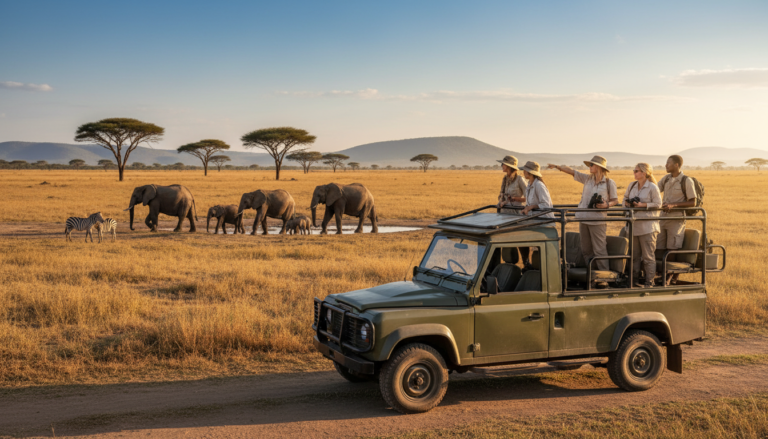
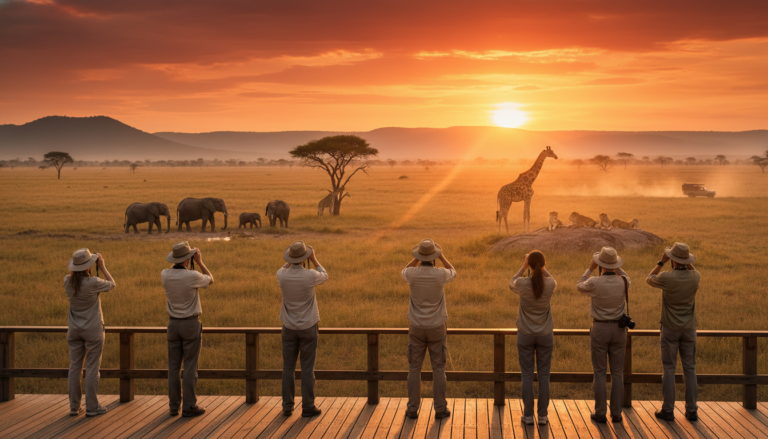
The Ngorongoro caldera is a powerful reminder of our planet’s strength. It’s a UNESCO World Heritage Site, home to many animals. Here, nature is untouched, offering an unparalleled experience in the wild.
Getting ready for your Ngorongoro Crater game drive means learning its unique pace. The journey down from the green rim opens up a vast, golden area full of life. Here, predators and prey live together, safe within the crater’s steep walls.
Every Tanzania crater experience connects you deeply with nature. We’ll help you understand what to expect, so you can enjoy the small details. Get ready for the amazing sights and sounds of this natural amphitheater.
Key Takeaways
- The caldera is a protected UNESCO World Heritage Site.
- Expect a dramatic descent from the lush rim to the floor.
- Wildlife viewing is dense due to the enclosed ecosystem.
- Early morning starts offer the best opportunities for sightings.
- Professional guidance enhances your understanding of local ecology.
The Geological Marvel of the Ngorongoro Crater
The Ngorongoro Crater is a natural wonder in Africa. It was formed by a huge volcanic eruption. This event created a unique landscape that is both fascinating and fragile.
Exploring the crater’s history tells us about the Earth’s past. It shows how volcanic activity, collapse, and erosion shaped this incredible feature over millions of years.
Formation of the Caldera
Around 2.5 million years ago, a massive volcano erupted. This eruption emptied its magma chamber and caused the ground above it to collapse. This created the caldera, the large depression we see today.
The caldera’s formation is complex. It involves tectonic plate movement and volcanic activity. The Ngorongoro Crater is one of the largest intact calderas in the world, making it a significant geological feature.
The Unique Microclimate of the Highlands
The highlands around the Ngorongoro Crater have a unique microclimate. This supports a diverse range of flora and fauna. The crater’s rim, at 2,286 meters above sea level, creates a rain shadow effect.
This microclimate, along with the crater’s geography, creates a self-contained ecosystem. As we descend into the crater, the change in climate and vegetation is striking. It makes the crater a fascinating place to explore.
The crater’s unique conditions support a range of vegetation zones. From montane forests on the rim to grasslands and swamps on the floor. This diversity of habitats is key to supporting a wide range of wildlife.
Understanding the Crater In Tanzania and Its Ecosystem
The Ngorongoro Crater is more than a geological wonder. It’s a thriving ecosystem that supports a wide variety of plants and animals. The crater’s walls act as a natural barrier, creating diverse habitats.
The Ngorongoro Crater is a self-contained biosphere at its core. Its floor, with different landscapes, supports many species. This variety is thanks to the crater’s unique geography, which creates microclimates and habitats unlike anywhere else.
The Concept of a Self-Contained Biosphere
A self-contained biosphere like the Ngorongoro Crater is rare. It’s a large, intact caldera that has stayed mostly unchanged for millions of years. This has allowed a diverse ecosystem to thrive.
The crater’s wildlife is a testament to its life-supporting abilities. It’s home to over 25,000 large animals, from elephants and lions to smaller creatures. This shows the crater’s role as a wildlife sanctuary.

Vegetation Zones and Habitat Diversity
The Ngorongoro Crater has different vegetation zones, each with its own plants and animals. The transition from short grass plains to acacia woodlands and marshy areas around Lake Magadi creates a variety of habitats. This diversity is key for the crater’s wildlife.
- The short grass plains are perfect for grazing animals like wildebeest and zebras.
- The acacia woodlands offer shelter and food for many species, from bushbucks to leopards.
- The marshy areas around Lake Magadi are a home for waterbirds and other aquatic life.
This diversity is crucial for the crater’s ability to support a wide range of wildlife. It makes the Tanzania crater experience unique for visitors. Exploring the crater shows us that its ecosystem is a complex web of life.
Planning Your Visit and Ngorongoro Access
Getting ready to visit the Ngorongoro Crater? Knowing the basics is key for a great trip. The Ngorongoro Conservation Area is a protected area. So, you need to plan your visit carefully.
First, learn about the entry gates and how to get to the crater. The main gate is near Ngorongoro town. This is where most visitors start their journey.
Entry Gates and Logistics
The Ngorongoro Conservation Area has several entry gates. But, the Ngorongoro Gate is the most used. When you arrive, you’ll need to register and get any permits you need. Try to get there early to avoid any delays.
Logistical arrangements can be set up through your tour operator or at the gate. Make sure you have your park entry permit and vehicle details ready.
Travel Routes from Arusha
The usual way to get to the Ngorongoro Crater is from Arusha. This journey takes about 4-5 hours by car. It depends on the road and the path you take.
The Arusha to Ngorongoro Highway is a beautiful route. It goes through different landscapes. A 4×4 vehicle is best because of the rough roads and weather.
As experts say, “The journey to the Ngorongoro Crater is as breathtaking as the destination itself.” This shows how important it is to be ready for the trip and enjoy the views.
“The road to the Ngorongoro Crater winds through diverse landscapes, offering glimpses of the region’s rich biodiversity.”
When planning your trip, think about the distance and stops you might make. The route lets you see local plants and animals. This makes your trip even more special.
By knowing the entry gates and travel routes, you can plan your visit to the Ngorongoro Crater better. This will make your trip more enjoyable and less stressful.
The Thrill of Descending into the Crater
Descending into the Ngorongoro Crater is an adventure that promises breathtaking views and an unparalleled wildlife experience. As we make our way down the steep walls of this geological marvel, the landscape transforms dramatically. It reveals a diverse array of flora and fauna.
The Steep Descent Process
The descent into the crater is not for the faint of heart; it’s a steep and winding path that requires careful navigation. Our experienced guides ensure a safe passage, pointing out interesting features and sharing insights into the crater’s unique ecosystem.
The process is as much about the journey as the destination. As we descend, the air grows warmer and more humid, and the sounds of the African savannah become more pronounced. It’s a sensory experience that heightens our anticipation of the wildlife encounters to come.
Panoramic Views from the Rim
Before we begin our descent, we take a moment to appreciate the panoramic views from the crater’s rim. The vista stretches out before us, a seemingly endless expanse of grasslands and woodlands, dotted with the occasional acacia tree.

The view from the rim is not just visually stunning; it also provides a unique perspective on the crater’s layout and its status as a self-contained ecosystem. We can see the various habitats that exist within the crater, from the alkaline Lake Magadi to the lush forests that cling to the crater walls.
| Descent Features | Description | Notable Observations |
|---|---|---|
| Steep Incline | A challenging path that requires careful navigation | Unique rock formations and vegetation |
| Panoramic Views | Breathtaking vistas from the crater’s rim | Diverse habitats and ecosystems |
| Ecosystem Diversity | A variety of flora and fauna within the crater | From grasslands to forests and alkaline lakes |
Wildlife Encounters on the Crater Floor
Our journey into the heart of the Ngorongoro Crater reveals a rich tapestry of wildlife. It showcases the best of African biodiversity. The crater floor, a self-contained ecosystem, is home to a high concentration of wildlife, including the Big Five.
This unique environment supports a complex food chain. It makes every game drive an unforgettable experience.
Tracking the Big Five
Tracking the Big Five – lion, leopard, rhinoceros, elephant, and Cape buffalo – is thrilling. The dense population of these iconic animals is a testament to the crater’s status as a wildlife haven. With the guidance of experienced rangers, we can observe these majestic creatures in their natural habitat.
The presence of the Big Five is a significant draw for visitors. The Ngorongoro Crater is one of the few places in Africa where all five can be seen in a relatively small area. The crater’s unique environment, with its mix of grasslands, forests, and water sources, supports a diverse range of wildlife.
Observing the Resident Lion Prides
The Ngorongoro Crater is renowned for its lion populations, with several prides residing on the crater floor. Observing these majestic creatures, with their complex social dynamics, is a highlight of any game drive. The crater’s lions are known for their robust health and large manes, a testament to the area’s rich biodiversity.
By observing the resident lion prides, we gain insights into their behavior, social structures, and hunting strategies. This intimate understanding of lion behavior enhances our appreciation for these magnificent animals and the ecosystem they inhabit.
The Black Rhino Conservation Success Story
The Ngorongoro Crater is also a site for successful black rhino conservation efforts. After facing significant threats in the past, conservation initiatives have helped stabilize and grow the black rhino population within the crater. Observing these critically endangered animals in their natural habitat is a rare privilege.
The conservation success story of the black rhino in the Ngorongoro Crater is a testament to the effectiveness of dedicated conservation efforts. It highlights the importance of protected areas like the crater in safeguarding biodiversity and ensuring the survival of endangered species.
Birdwatching Opportunities in the Highlands
The highlands beyond the crater’s rim are a birdwatcher’s dream. They offer a variety of habitats that attract many bird species.
The area’s geography creates different ecosystems. These support a wide range of birds. From forests to grasslands, each spot has its own birdlife. This makes the highlands great for both experts and casual birdwatchers.
Lake Magadi and Flamingo Populations
Lake Magadi is a key spot for birdwatching in the highlands. It’s famous for its flamingos. Lesser flamingos are especially common here.
The lake’s edge is also good for seeing other waterbirds. Look out for pelicans, cormorants, and herons. The grasslands and wetlands around the lake are home to birds like the African spoonbill and stilts and avocets.
Endemic Species of the Ngorongoro Region
The Ngorongoro region has birds found nowhere else. The highlands’ forests and grasslands are home to unique species. Look out for the Usambiro barbet and the Ruaha chat.
Exploring the highlands lets you see these special birds. Key places to visit include:
- The forests around the crater rim, where you can see the hartlaub’s starling.
- The open grasslands, where larks, pipits, and bustards live.
- The wetlands and marshy areas, full of waders and waterfowl.
The Ngorongoro highlands are a birdwatcher’s paradise. Their diverse landscapes and rich birdlife make them a must-see for any bird enthusiast.
Best Times of Year for a Game Drive
To have the best wildlife encounters, knowing the best times for a game drive in the crater is key. The Ngorongoro Crater’s unique ecosystem changes with the seasons. These changes affect how and where animals live.
The crater’s climate is mostly mild. But, the dry and wet seasons change things a lot. Knowing these changes helps plan a great visit.
The Dry Season Advantage
The dry season, from June to October, is great for game drives. Water sources become scarce, so animals gather at the few waterholes. This makes them easier to see. The dry undergrowth also helps you see animals more clearly.
“The dry season is perfect for seeing many animals,” says a guide. They all go to the few water sources. This makes the game drive even better.
The Green Season and Migratory Patterns
The green season, from November to May, is different. The crater is lush and green, making game drives beautiful. But, the dense vegetation makes seeing animals harder.
Yet, this season is great for seeing newborn animals and migratory patterns. It’s also a good time for birdwatching, with many birds around.
Both the dry and green seasons have their perks. Knowing what each season offers helps plan your visit. This way, you can enjoy your Tanzania crater experience to the fullest.
Essential Gear for Your Tanzania Crater Experience
For a memorable Tanzania crater adventure, you need the right gear. As you get ready for your Ngorongoro Crater game drive, think about what will make your trip better. It’s all about comfort and capturing the beauty around you.
Camera Equipment and Lens Selection
Photographing the Ngorongoro Crater’s stunning views and wildlife needs the right camera. A DSLR or mirrorless camera with different lenses is a must. This way, you can take great photos in any situation.
Key camera equipment includes:
- A telephoto lens (at least 200mm) for capturing wildlife from a safe distance
- A wide-angle lens for expansive landscape shots
- A polarizing filter to reduce glare and enhance colors
- Extra batteries and memory cards, as the crater’s unique environment can quickly drain your camera’s power

Clothing Recommendations for Variable Temperatures
The Ngorongoro Crater’s weather can change a lot. The floor is warmer, but the rim gets cooler. Dressing in layers is the best way to stay comfortable.
Consider packing:
- Breathable, moisture-wicking clothing for warmer periods
- Insulating layers for cooler mornings and evenings, especially on the crater rim
- Waterproof gear to protect against unexpected rain showers
- Sturdy, comfortable footwear suitable for walking and potential hiking
Navigating Park Regulations and Conservation Fees
To have a great time at the Ngorongoro Crater, we need to know the park’s rules and fees. These guidelines help us follow the law and support conservation. This way, we can enjoy the park while helping it stay beautiful.
The Ngorongoro Conservation Area is a special place. It has rules to keep its ecosystem safe.
Understanding Entry Permits
Getting an entry permit is key to visiting the Ngorongoro Crater. These permits help fund the area’s upkeep and conservation.
To get a permit, you must enter through the right gates. There, you’ll share some info and pay the fees.
Rules for Vehicle Movement and Wildlife Distancing
Inside the crater, there are rules for driving and watching wildlife. Cars must stick to the paths to protect the environment and keep visitors safe.
It’s also important to keep a safe distance from animals. This rule helps everyone stay safe and lets us see wildlife in their natural state.
Some important rules to remember are:
- Stay in designated areas and follow guided tours when needed.
- Keep a safe distance from wildlife, as guides or park rules suggest.
- Don’t litter or take any natural items from the area.
By following these rules and paying the fees, we make our visit to the Ngorongoro Crater rewarding. We also help protect this amazing place for the future.
It’s our duty to protect this incredible natural wonder for the next generations.
Choosing the Right Safari Vehicle and Guide
To get the most out of your visit to the Ngorongoro Crater, picking the right safari vehicle and guide is key. The crater’s rough terrain and varied wildlife need a sturdy yet comfy vehicle. A skilled guide can also make your trip more meaningful by sharing their deep knowledge of the area.
Benefits of Pop-Top 4×4 Land Cruisers
Pop-top 4×4 Land Cruisers are top picks for safaris in the Ngorongoro Crater. They strike a perfect balance between comfort and off-road prowess. Their pop-top design lets you see wildlife and scenery from a higher vantage point.
Key Benefits:
- Enhanced visibility for wildlife viewing
- Comfortable seating and ample space for passengers
- Four-wheel drive capability for navigating rough terrain
- Pop-top roof for unobstructed views and photography opportunities
| Vehicle Feature | Benefit |
|---|---|
| 4×4 Capability | Navigate rough terrain with ease |
| Pop-Top Design | Elevated viewing platform for better wildlife spotting |
| Comfortable Seating | Enjoy the ride without compromising on comfort |
The Importance of an Experienced Local Guide
An experienced local guide is crucial for a great Tanzania crater experience. They know the crater’s ecosystem inside out. This knowledge helps you see more wildlife and understand the area’s natural and cultural history.
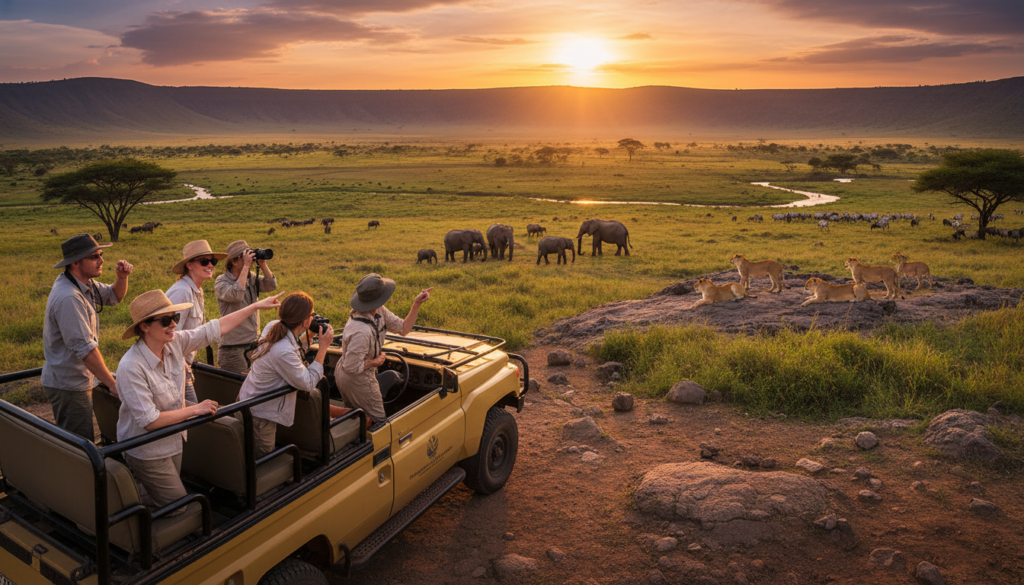
By picking the right vehicle and guide, your Ngorongoro Crater visit will be unforgettable. You’ll create lasting memories.
Cultural Interactions Near the Conservation Area
The Ngorongoro Conservation Area is a haven for crater floor wildlife and local communities. We get to meet the Maasai people, who have lived here for centuries. They live in harmony with the land.
Visiting a Maasai boma is a highlight. It shows us their daily lives. We see their cattle herding and crafting. We learn about their social structures and customs.
Visiting Maasai Bomas
Visiting a Maasai boma is a chance to experience their warmth and hospitality. We are welcomed into their homes. We share in their stories and traditions.
We might see traditional Maasai dances and music. This adds to our cultural experience. It shows the Maasai’s resilience and adaptability.
Understanding Local Traditions and Livelihoods
The Maasai community’s livelihoods are tied to the conservation area. We learn about their traditional practices. We see how they live with the wildlife of the crater.
By engaging with local communities, we understand conservation efforts better. We see how tourism supports local economies. It also helps preserve cultural heritage.
Our journey through the Ngorongoro Conservation Area is enriched by cultural interactions. We value the area for its natural beauty and cultural richness.
Sustainable Tourism and Protecting the Crater
Keeping the Ngorongoro Crater safe for the future needs careful planning in tourism. When we visit, we must think about how our actions affect the environment and local people.
Minimizing Your Environmental Footprint
To lessen our environmental impact, we should use less waste and save resources. This means choosing eco-friendly tour operators, cutting down on plastic, and keeping wildlife areas safe.
By picking tour operators that follow sustainable tourism, we help protect the Crater. This way, we reduce our harm to this fragile ecosystem.
Supporting Local Conservation Initiatives
Helping local conservation efforts is key to protecting the Ngorongoro Crater. We can do this by working with local communities, backing conservation projects, and promoting eco-tourism.
Visitors can help by joining guided tours with local guides. They know the Crater well and what it needs to stay healthy.
We can also make a difference by being careful during our visit. Stay on paths, don’t litter, and respect wildlife. This helps keep the Ngorongoro Crater beautiful and full of life.
Being aware of our actions and supporting conservation can protect the Ngorongoro Crater for the future. Our choices as tourists can positively impact this amazing place.
Conclusion
Exploring the Ngorongoro Crater in Tanzania is unforgettable. It leaves a lasting impression long after you leave. A game drive here is more than just seeing animals; it’s a deep connection with nature and a chance to learn about conservation.
Planning your visit? Remember, seeing the Big Five and many other species is a rare chance. The views from the rim and the excitement of descending into the crater are unforgettable. It’s a safari experience you’ll never forget.
By choosing sustainable tourism and following park rules, you help protect this amazing place. We urge you to go on this journey. Use the knowledge from this guide to make your time in the Ngorongoro Crater special.
FAQ
When is the most opportune time to embark on a Ngorongoro Crater game drive?
The dry season, from June to October, is best for wildlife viewing. The thinning vegetation and water sources make it ideal. But, the green season from November to May is great for birds and newborns.
What can we expect when descending into crater Tanzania?
Descending into crater Tanzania is a scenic journey. We take steep, winding roads in 4×4 vehicles. The change from forest to open plains is dramatic, showing the crater’s true size.
How is Ngorongoro access managed for visitors?
The Ngorongoro Conservation Area Authority manages access. Most visitors come from Arusha or Lake Manyara. We handle permits and fees in advance, ensuring smooth entry.
Which animals are we likely to encounter during the Tanzania crater experience?
The crater floor is home to about 25,000 large mammals. You might see lions, elephants, wildebeest, and zebras. It’s also a great place to see black rhinos.
What type of safari vehicle do we use for the descent?
We use 4×4 Land Cruisers for the descent. They’re tough for the terrain and offer a 360-degree view of wildlife and landscape.
Is it possible to engage with local communities during our visit?
Yes, understanding the local people is important. The Ngorongoro Conservation Area has Maasai communities. We can visit a Maasai *boma* to learn about their traditions and culture.
What should we pack for a day spent on the crater floor?
Pack layers for the changing temperatures. Bring binoculars, a camera, and sun-protective clothing. This will help you enjoy the wildlife and scenery.
How do our visits support conservation efforts in the region?
Our visits help fund conservation efforts. Fees go to anti-poaching, habitat restoration, and community projects. This supports the protection of the black rhino and the site’s preservation.