Planning a trip to the wild can be tough with kids. We get it. It’s hard to mix adventure with comfort in the African bush.
We aim to make planning a Kenya Family Safari easy for you. We break down what to consider for each age group. This way, you can plan with confidence.
Thoughtful preparation makes a big trip easy. With the right tips, your wilderness adventure will be fun and worry-free.
Use this guide to plan your Kenya Family Safari. A well-thought-out trip strengthens family bonds and connects you with nature.
Key Takeaways
- Check your kids’ readiness for wilderness camps before booking.
- Choose lodges with special programs for young travelers.
- Alternate between exciting activities and rest to avoid exhaustion.
- Get advice on health needs and malaria safety.
- Choose quality experiences over seeing many places.
Why Kenya is the Ultimate Destination for a Family Safari
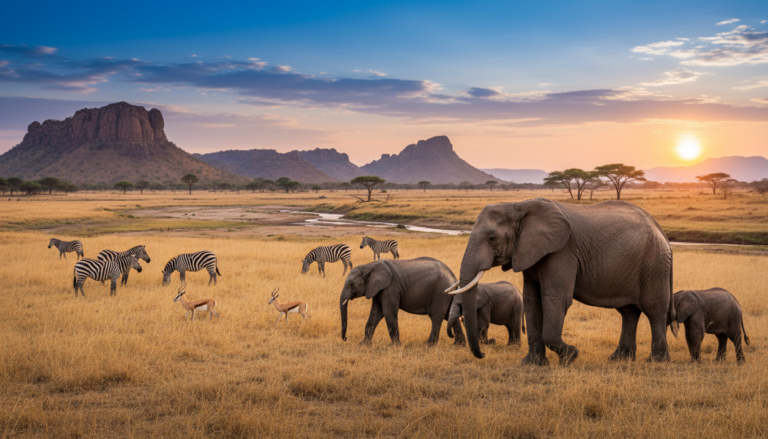
Kenya is a top pick for family safaris because of its natural beauty and friendly people. The country has different landscapes like savannas, forests, and mountains. This variety means families can see many different animals.
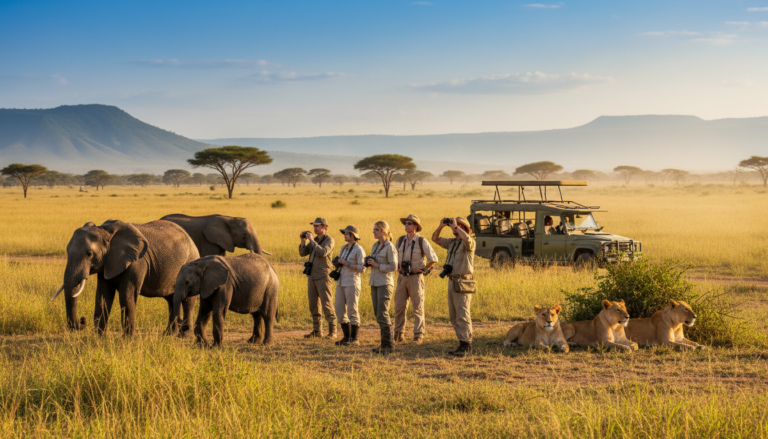
Diverse Wildlife Encounters: Kenya is famous for its wide range of wildlife. You can see the Big Five – lion, leopard, rhinoceros, elephant, and Cape buffalo – in their natural homes. Kids love watching the young animals, making the trip fun and educational.
Landscapes and Cultural Experiences: Kenya’s landscapes are stunning, from Mount Kenya’s snow to the Maasai Mara’s vast plains. The country’s culture is rich, offering chances to meet local people and learn about their traditions. These experiences add depth to the safari, showing the whole picture of the area.
Kenya has great safari places for families, with many lodges and camps. These places have fun activities for kids, making sure everyone has a good time. Choosing Kenya for your family safari means you’re picking a place that’s both fun and safe for kids.
In short, Kenya is perfect for a family safari because of its beauty, wildlife, and culture. We think Kenya is a great choice for your next family adventure. It’s a trip that will make a big impression on everyone.
Essential Planning Tips for a Successful Kenya Family Safari
Planning a Kenya family safari needs careful thought. Start by picking family-friendly Kenya camps that meet your family’s needs.
Look for camps with amenities for a comfy family stay. These include activities for kids, babysitting, and meals kids will like. Some camps also teach about wildlife and conservation, keeping kids interested and learning.
Think about what your kids need. For the little ones, services like babysitting and kids’ clubs are a big help. They let parents relax. Older kids might enjoy nature walks, spotting animals, and learning programs.
Here’s a look at what some family-friendly Kenya camps offer:
| Camp Name | Kid-Friendly Activities | Babysitting Services | Child-Friendly Dining |
|---|---|---|---|
| Camp 1 | Guided nature walks, Wildlife spotting | Yes | Yes |
| Camp 2 | Educational programs, Kids’ club | No | Yes |
| Camp 3 | Game drives, Conservation lessons | Yes | Yes |
By looking at these details and picking the right camp, you can have a great Kenya family safari.
Traveling with Infants and Toddlers: What to Expect
Traveling with infants and toddlers to Kenya for a family safari has its own set of challenges and joys. At this age, kids are full of curiosity and have specific needs. We’ll help you manage their schedules and find the right places to stay.
Keeping up with your child’s routine is a big concern for parents. Managing sleep schedules is key to keeping them happy and comfortable on your trip.
Managing Sleep Schedules and Nap Times in the Bush
Infants and toddlers need routine, especially when it comes to sleep. On safari, try to stick to their usual nap times to avoid them getting too tired. Talk to your tour operator about your child’s sleep schedule to plan safari tours that work for them. Some places offer flexible schedules to help young children rest well.
Some lodges offer private baby-sitting services. This lets parents take a break or enjoy the surroundings while their child is looked after. It’s a big help for families with young kids.

Choosing Lodges with Child-Friendly Amenities
The right place to stay is crucial when traveling with babies and toddlers. Look for lodges with child-friendly amenities like baby-sitting, kid-friendly meals, and family rooms. Some even rent out baby equipment, which is a big relief for parents.
When planning your Kenya Family Safari, pick lodges that welcome kids and offer activities for them. This could include kids’ clubs, playgrounds, and family-friendly walks. The right lodge makes your trip more enjoyable and stress-free for everyone.
“The secret to a great family safari is being prepared and flexible,” says a seasoned safari guide. “Know what your kids need and choose the right place to stay. This way, you’ll have a trip your whole family will remember.”
Safari Adventures for Preschoolers: Keeping Them Engaged
Preschoolers can really benefit from a safari adventure in Kenya. At this age, they are naturally curious. The safari environment helps them connect with nature. It’s important to add interactive parts to the safari.
One great way to keep preschoolers engaged is through interactive wildlife spotting techniques. Turning wildlife spotting into a game or scavenger hunt makes it fun. Guides can give them a list of animals to find, and the first one to spot wins. This not only keeps them interested but also teaches them about different animals.
Interactive Wildlife Spotting Techniques
Interactive methods make the safari more fun for preschoolers. Guides can use stories to make animals come alive. This makes the experience more fun and relatable for young kids. Giving them binoculars also makes them feel more involved in spotting animals.
Balancing Game Drives with Playtime
Game drives are important, but preschoolers might get tired easily. It’s key to balance game drives with playtime. Many safari lodges have playgrounds and kids’ clubs for a break.
By mixing structured activities like game drives with free play, you keep preschoolers happy and active. This balance makes sure everyone in the family enjoys the safari.
The Golden Age: Kenya Safaris for School-Aged Children
When kids start school, a Kenya family safari becomes a great learning adventure. At this age, they love to explore and learn. A safari lets them see the world in a new way.
Parents can help by letting kids fully experience the safari. This means they can see animals up close and learn about nature.
One great way to get kids involved is through wildlife photography and journaling. Give them cameras and journals to record what they see. It helps them think creatively and remember their trip.
Encouraging Wildlife Photography and Journaling
Using cameras and journals helps kids notice and love the wildlife. Encourage them to take pictures and write about what they see. It’s a fun way to learn and connect with nature.
Journaling is also good for kids. It lets them think about their safari and how they feel. Writing or drawing about their trip helps them remember and learn more.
Educational Walks and Tracking Lessons
Educational walks and tracking lessons are fun for kids. Our guides teach them about animal tracks and habitats. It’s a hands-on way to learn and care about nature.
These activities help kids understand the world better. They learn to observe and solve problems. It also makes them care more about protecting wildlife.
Teenagers on Safari: Balancing Adventure and Connectivity
Traveling with teenagers on a safari means finding a balance. They have their own needs and wants. A Masai Mara family tour is perfect for them, with its mix of adventure and stunning nature.
High-Adrenaline Activities Beyond Game Drives
Teenagers love excitement and adventure. There are many thrilling activities beyond just game drives. Think about hot air balloon rides over the Masai Mara or bungee jumping for the bold ones. These activities give a thrilling view of the African wild.
Managing Digital Needs and Wi-Fi Expectations
Adventure is important, but so is staying connected. Teenagers might want to text friends or post on social media. Look for safari lodges or camps with good Wi-Fi. This way, they can stay online without missing out on the safari.
It’s all about finding the right mix. With exciting activities and reliable Wi-Fi, your teenagers will have a great time on your Kenya Family Safari.

Selecting the Best Family-Friendly Kenya Camps
Choosing the right family-friendly Kenya camp is key. It ensures a fun and stress-free safari for everyone. The right camp can make all the difference.
When picking a camp, consider two main things. First, what kind of safari experience you want. Second, how well the camp caters to families with kids. Look at whether it’s in a private conservancy or a national park. Also, check out the camp’s programs for kids and the staff’s experience with families.
Private Conservancies vs. National Parks
Kenya’s private conservancies and national parks offer different safari experiences. Conservancies are more exclusive, with tours tailored to your family’s interests. National parks, on the other hand, have more wildlife to see because of their size and variety.
Key differences between private conservancies and national parks include:
- Exclusivity and Crowd Levels: Conservancies are less crowded, offering a quieter experience.
- Guided Tours: Conservancies often have personalized tours, while national parks have more structured drives.
- Wildlife Viewing: National parks may have more wildlife to see because of their size.
Evaluating Child-Centric Programs and Staff
A camp’s ability to handle kids is crucial for a great family safari. Look for camps with kids’ clubs, educational activities, and services like baby-sitting or kids’ pools.
The camp staff’s attitude and training are also important. Friendly, patient, and knowledgeable staff can make the safari fun for kids of all ages.
When evaluating a camp’s child-centric programs and staff, consider:
- Availability of kids’ clubs or childcare services
- Staff training in handling children and providing kid-friendly activities
- Amenities such as kids’ pools or playgrounds
By carefully looking at these factors, you can find a family-friendly Kenya camp that fits your family’s needs. This ensures a memorable and enjoyable safari for everyone.
Health and Safety Considerations for Children on Safari Africa
When planning a Kenya Family Safari, keeping kids safe is top priority. Traveling with children means we need to plan carefully. This helps avoid risks that come with safari adventures.
Going to Africa means we must worry about malaria and other diseases. We must protect our children from these health dangers.
Malaria Prophylaxis and Vaccination Requirements
Before heading to Kenya, talk to a doctor about malaria prevention and vaccines. The right malaria prevention depends on where in Kenya you’re going, when, and your child’s health.
Some vaccines are always needed, while others are just for Kenya. Make sure your kids’ shots are current. This includes yellow fever, which you might need for some areas.
| Vaccination | Recommendation | Age Requirement |
|---|---|---|
| Yellow Fever | Required for certain regions | 9 months and above |
| Hepatitis A | Recommended for all travelers | 1 year and above |
| Typhoid | Recommended for most travelers | 2 years and above |
Sun Protection and Hydration Strategies
The sun in Kenya is strong, so protecting kids from it is key. Use sunscreen with high SPF, hats, and sunglasses to block UV rays.
It’s also important to keep kids hydrated, especially during outdoor activities. Encourage them to drink lots of water. Some places offer filtered or bottled water, so ask about it when booking.
“The key to a successful family safari is preparation. Ensuring that children are protected from the sun and stay hydrated can make a significant difference in their overall experience.”
By taking these steps and thinking about our children’s health and safety, we can make sure they have a great time on our Kenya Family Safari.
Packing Essentials for a Family Safari in Kenya
Having a good packing list is key for a fun family safari in Kenya. It’s important to think about what your kids need to stay happy and comfortable. This way, everyone can enjoy the trip.
Clothing Layers for Variable Temperatures
Kenya’s weather can change a lot, with big differences in temperature from day to night. It’s smart to pack clothes that can be worn in layers. This helps keep your kids cozy.
Essential clothing items include:
- Lightweight, breathable clothing for warm days
- Warm layers for cooler mornings and evenings
- Waterproof gear for unexpected rain showers
- Comfortable, sturdy shoes for walking safaris
| Clothing Item | Recommended Quantity | Notes |
|---|---|---|
| T-shirts | 5-7 | Moisture-wicking fabrics |
| Long-sleeved shirts | 3-5 | For sun and insect protection |
| Warm layers | 1-2 | Fleece or wool for cooler evenings |
Must-Have Entertainment and Comfort Items
It’s important to keep kids happy and comfortable during long drives and when they’re not busy. Here are some things you should pack:
Entertainment and comfort essentials:
- Favorite toys or comfort objects
- Travel-sized games and puzzles
- Books and e-readers
- Portable chargers for electronic devices
By thinking about what to pack, you can make sure your Kenya Family Safari is fun for everyone. This is true, no matter how old they are.
Navigating the Masai Mara Family Tour Experience
For families looking for a real African safari, the Masai Mara is the top choice. It’s famous for its diverse wildlife and the Great Migration. This event attracts visitors from all over the world.
Timing Your Visit for the Great Migration
The Great Migration is a key event in the Masai Mara, happening from July to October. During this time, huge herds of wildebeest, zebra, and gazelle move in search of food. Planning your Masai Mara family tour to coincide with the Great Migration is exciting. It offers great chances for seeing wildlife and taking photos.
To see the Great Migration at its best, visit in August or September. These months are the best for witnessing the dramatic river crossings.
Private Vehicle Benefits for Families
Choosing a private vehicle for your Masai Mara family tour makes it better. Private vehicles let you make your own schedule. You can spend more time at places your family likes. Plus, it’s less crowded, which is great for kids.
With a private vehicle, you get a guide who focuses on your family’s needs. This makes the safari fun and educational for everyone.
Cultural Immersion: Educational Opportunities for Kids
Going on a Kenya family safari is a great way to learn about different cultures. Kenya is full of traditions and customs that can teach kids a lot. It’s a chance for them to see and learn about many ways of life.
Visiting Local Maasai Villages
Visiting Maasai villages is a special experience for kids. They get to see how the Maasai live and learn about their traditions. It’s a great way for kids to see the world from a different perspective.
While there, kids can try out Maasai dances and songs. They can also learn about Maasai jewelry and crafts. It’s a hands-on way to learn about another culture.
Learning About Conservation and Wildlife Protection
Learning about conservation is also part of the safari. Many groups and communities work together to protect Kenya’s wildlife. Kids can learn how important it is to help protect animals and their homes.
They can join in on talks about conservation. They can also help with projects that local communities are doing. These activities teach kids about the importance of taking care of the environment.
| Activity | Description | Learning Outcome |
|---|---|---|
| Wildlife conservation talks | Guided discussions on the importance of conservation | Understanding the role of humans in wildlife conservation |
| Community-led conservation projects | Participation in projects initiated by local communities | Appreciation for community-driven conservation efforts |
| Environmental education programs | Structured programs focusing on environmental awareness | Knowledge about local ecosystems and the impact of human activities |
By taking part in these activities, kids learn a lot. They gain a deeper understanding of Kenya’s culture and nature. They also learn how important it is to protect it for future generations.
Managing Daily Routines and Dietary Needs in the Bush
Going on a safari in Kenya with kids means you need to be ready for daily challenges. Families must be flexible and adaptable to have a good time in the bush.
Keeping up with your kids’ routines can be tough, especially with all the fun of a safari with kids Kenya. Try to make a schedule that fits both the safari and your kids’ needs. This includes regular meals and enough rest.
Handling Picky Eaters in Remote Locations
It’s hard to deal with picky eaters in the wild. Tell your tour operator about any food needs or dislikes before you go. Many safari lodges can handle different diets and offer special meals for kids.
Bring your child’s favorite snacks to make them feel at home. Getting them involved in meal planning can also help. It makes them feel more in charge of what they eat.

Maintaining Hygiene Standards While Traveling
Keeping clean is key when traveling with kids, especially in far-off places. Make sure your kids wash their hands often, before eating and after using the bathroom. Safari lodges usually have hand sanitizers and keep their areas clean.
Also, pack a travel kit with essentials like wet wipes, hand sanitizer, and any hygiene items your child might need. Staying clean can help prevent getting sick on your safari with kids Kenya adventure.
Choosing the Right Time of Year for Your Family Trip
Planning your family safari in Kenya? Knowing the seasonal changes is key. Kenya’s weather changes a lot, affecting wildlife and your comfort.
The safari calendar splits into two seasons: dry and green. Each has its own pros and cons, shaping your family’s safari adventure.
Dry Season Advantages for Wildlife Viewing
The dry season, from June to October, is top for seeing animals in Kenya. Animals gather at water spots, making them easier to find.
Advantages of the Dry Season:
- Animals gather at water spots
- Less foliage for better views
- Cooler weather for game drives
Visiting in the dry season means better wildlife sightings. You’ll see many animals, including the Big Five.
Green Season Benefits for Budget and Privacy
The green season, from November to May, has its perks. It’s great for families wanting a budget-friendly, private safari.
Benefits of the Green Season:
| Aspect | Dry Season | Green Season |
|---|---|---|
| Cost | Higher rates for accommodations and tours | Lower rates, more competitive pricing |
| Crowds | More tourists, less privacy | Fewer tourists, more intimate experience |
| Landscape | Drier landscapes, less lush vegetation | Lush and green landscapes, newborn animals |
The green season might not have as many animals as the dry season. But, it’s a chance to see Kenya’s landscapes at their best. You’ll see newborn animals, too.
Choosing between the dry and green seasons depends on what you want. For the best wildlife viewing, go in the dry season. For a budget-friendly trip with fewer people and green scenery, the green season is a good pick.
Logistics and Transportation Tips for Traveling with Kids
Planning a family safari in Kenya means thinking about how to travel with kids. The trip can be long and tiring, especially for little ones. It’s important to choose the best way to travel to avoid getting too tired.
Families can choose between flying or driving. Domestic flights are quick and save time, but they cost more and need more planning. Overland transfers are slower but let you see the countryside. They can be hard for young kids because of the long car rides.
Domestic Flights vs. Overland Transfers
Choosing between flying and driving depends on your kids’ ages and what they like. Young kids might prefer flying for its speed. Older kids might like the adventure of driving.
Think about the views on your way. The trip can be part of the fun. As one traveler said,
“The journey is part of the adventure, and overland transfers can offer a unique perspective on the Kenyan landscape.”
But for very young kids, flying is often easier.
Minimizing Travel Fatigue for Younger Travelers
To make travel fun for kids, bring things to keep them busy. This can be tablets, games, or blankets. These items help make the trip enjoyable.
Also, taking breaks during long drives helps. Stopping at places of interest or just for a walk can make a big difference. It makes the trip more fun for kids.
Choosing the right transportation and being ready for long trips makes the journey to Kenya fun. This careful planning helps make the trip memorable and stress-free for everyone.
Conclusion
A Kenya Family Safari can change families for the better. It helps them love nature more and makes memories that last forever. Knowing what kids need at different ages makes the trip better for everyone.
The Masai Mara is full of animals, and learning about local communities is also part of the fun. We’ve talked about how to plan, stay safe, and get everything ready for a great trip.
When you’re planning your Kenya Family Safari, be ready for anything. Think about what your family needs and enjoy the amazing sights of East Africa. With good planning and a sense of adventure, your trip will be unforgettable.
FAQ
What is the ideal age for children to begin a family safari in Kenya?
The wilderness teaches lessons at every age. But, the experience changes as kids grow. For a family safari in Kenya, we suggest kids aged six and older learn the most.
However, many family-friendly Kenya camps offer great care for younger kids. Even toddlers find magic in the bush at places like Lewa Wilderness or Angama Mara.
How do we manage the safety and health of children on safari Africa?
We focus on keeping everyone safe and healthy. Always check with your doctor about malaria and vaccinations before you go. On safari, drink lots of water and use strong sun protection.
Our guides keep a safe distance from wildlife. This way, kids can watch animals safely while learning about nature.
Why should we consider a Masai Mara family tour over other regions?
The Masai Mara is key to the Kenyan experience. It has lots of wildlife and the Great Migration. The open plains make spotting animals easy for kids.
Meeting the Maasai people is also special. Kids can learn about ancient traditions and help protect wildlife.
Is it better to stay in private conservancies or national parks with kids?
Private conservancies like Mara North or Ol Pejeta are great for families. They offer a cozy feel and more freedom than national parks. You can do bush walks and night drives here.
This makes for a more peaceful and fun safari for kids in Kenya.
How do we handle long game drives with younger children?
Long drives can be tough for little ones. We recommend a private vehicle for more control. This way, you can head back to camp early if needed.
We mix game drives with fun activities like wildlife spotting and visits to Maasai villages. This keeps the day exciting for everyone.
What should we pack for a family safari in Kenya?
Pack light and focus on comfort and usefulness. Bring layers for the cool mornings and hot afternoons. Neutral colors are best.
Don’t forget familiar items for little ones and cameras or journals for teens. Most camps offer laundry, so you can pack even less.
Can the camps accommodate picky eaters or specific dietary requirements?
Yes, the bush is very flexible with food. Chefs at places like Cottar’s 1920s Camp or Sasaab make healthy meals for kids. Just tell us about any special needs when planning.
What are the benefits of choosing a domestic flight over an overland transfer?
Flights between places like Nairobi and the Masai Mara are quick and scenic. They reduce travel time and fatigue. But, overland transfers offer a closer look at the country’s beauty and local life.