
The golden plains of Tanzania are a dream for many travelers. A Serengeti African Safari is more than a trip; it’s a chance to see the wild up close.
Many places in Africa show us nature, but none match the Serengeti’s size. Choosing the best safari destination Africa means knowing what you want. The Serengeti offers a timeless experience that’s hard to find elsewhere.
So, why pick the Serengeti over smaller parks? It’s the Great Migration and the open landscape. Let’s see how this famous place stacks up against others, making sure your trip is exactly what you’re looking for.
Key Takeaways
- The region offers an unmatched scale of wilderness that defines the classic experience.
- Migration patterns create a dynamic environment that changes with the seasons.
- Authentic encounters are prioritized over manufactured tourist spectacles.
- The vast landscape allows for a deeper sense of solitude and connection.
- Expert guidance remains essential for navigating such a complex ecosystem.
The Allure of the Serengeti African Safari
Exploring the Serengeti African Safari reveals its unique charm. Its unparalleled natural beauty and diverse wildlife stand out. The vast, open plains are alive with creatures.
The Serengeti’s beauty attracts many visitors. Its landscape, with acacia trees and rocky outcrops, is stunning. The seasons change, bringing new colors and life to the scene.
The Serengeti is famous for its wildlife. You can see the Big Five and many other animals. The Great Migration, with millions of wildebeest and zebras, is a must-see.
| Feature | Description | Significance |
|---|---|---|
| Natural Beauty | Vast plains, acacia trees, and rocky outcrops | Provides a picturesque backdrop for wildlife viewing |
| Wildlife Diversity | Home to the Big Five and numerous other species | Offers a rich and varied wildlife viewing experience |
| The Great Migration | Annual migration of wildebeest, zebras, and gazelles | A spectacular event that is a highlight of the Serengeti experience |
Visiting the Serengeti is made better by guided tours. Guides share their knowledge, making the trip educational and fun. This way, you get to see the park’s vast wilderness up close.
Geographic Scope and Ecosystem Diversity
When planning an African safari, the location’s geography and ecosystem diversity are key. Places like the Serengeti and Kruger National Park stand out. We look at what makes each place special and how they compare in terms of wildlife and landscapes.
The Vast Plains of the Serengeti
The Serengeti is known for its endless plains with acacia trees and rocky outcrops called kopjes. This area is home to many animals, including the Big Five: lion, leopard, rhinoceros, elephant, and Cape buffalo. Every year, over a million wildebeest, zebras, and gazelles migrate here for food.
The Serengeti is not just about the number of animals. It’s about how they interact with their environment. The mix of grasslands, woodlands, and riverine forests supports a wide variety of life.
Comparing Ecosystems with Kruger National Park
Kruger National Park in South Africa has a different ecosystem than the Serengeti. It’s known for its mixed woodlands and grasslands. The park is home to many species, including lions, leopards, and elephants, similar to the Serengeti.
Kruger has riverine forests that offer a special habitat for some animals. Its varied landscape, with granite outcrops and river valleys, adds to its biodiversity.
Comparing the Serengeti and Kruger shows both offer great safari experiences. The Serengeti’s plains are perfect for the Great Migration. Kruger’s diverse landscapes provide different wildlife viewing opportunities.
The Great Migration: A Serengeti Exclusive
Seeing the Great Migration in the Serengeti is a sight that changes how we see nature’s power. Over a million wildebeest, zebras, and gazelles move in a massive display of Africa’s wild beauty.
This event is more than just a show. It’s a yearly journey that shows the Serengeti’s ecosystem at work. Animals move in search of better food, following their instincts and the seasons.
Understanding the Annual Cycle
The migration is a complex event, driven by rain, food, and predators. It starts in the south, where babies are born, and then moves around the park. It ends in the Maasai Mara in Kenya before coming back.
“The Great Migration is a symphony of life, where survival is a daily challenge and adaptation is key.”
The journey includes thrilling river crossings, where animals face dangers like crocodiles and lions. These moments are exciting for viewers and vital for the ecosystem’s health.
| Month | Location | Key Events |
|---|---|---|
| January-February | Southern Serengeti | Calving Season |
| May-June | Central Serengeti | Migration towards the Western Corridor |
| July-August | Western Corridor and Maasai Mara | River crossings and predator encounters |
Why Other Destinations Cannot Replicate the Migration
The Serengeti’s geography and climate are perfect for the Great Migration. Its vast plains and the Mara River make it a unique setting.
Other places, like the Maasai Mara and Kruger National Park, have amazing wildlife. But they can’t match the Serengeti’s Great Migration in scale and drama.
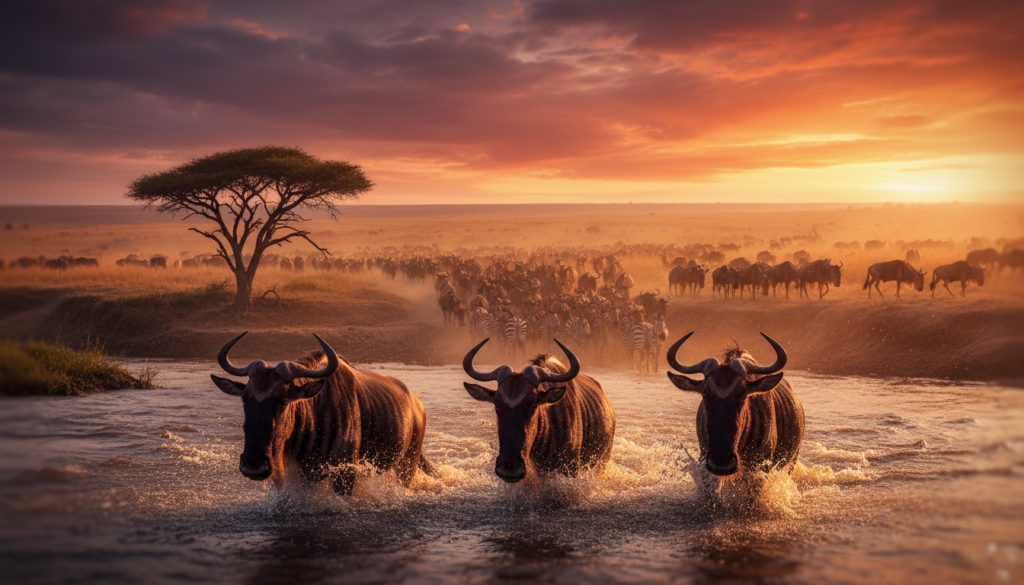
The Serengeti’s unique ecosystem and conservation efforts keep the Great Migration special. It’s a one-of-a-kind experience.
The Serengeti’s Great Migration is a true natural wonder, offering an unparalleled safari experience.
Serengeti vs Masai Mara: The Cross-Border Rivalry
When comparing Serengeti and Masai Mara, each offers a unique safari adventure. This is due to their different environments and setups.
The Serengeti in Tanzania boasts vast plains and a rich variety of wildlife. Masai Mara in Kenya is known for its many predators and the annual migration that both areas see.
Accessibility and Infrastructure Differences
The two places have different access and infrastructure, affecting your safari. The Serengeti is bigger and harder to reach, with more complex roads and airstrips.
Serengeti’s setup supports many safari activities. This includes guided tours and mobile camps that move with the migration.
Masai Mara, being smaller and closer, has a more developed tourist scene. It features luxury lodges and tented camps.
| Feature | Serengeti | Masai Mara |
|---|---|---|
| Size | 14,763 km² | 1,510 km² |
| Main Attraction | The Great Migration | High predator concentration |
| Accessibility | Multiple airstrips and roads | Easier road access, fewer airstrips |
| Accommodation | Range from budget to luxury, mobile camps | Luxury lodges and tented camps |
Wildlife Density and Viewing Experiences
Both places offer great wildlife viewing, but in different ways. The Serengeti is famous for its huge herds of wildebeest, zebras, and gazelles during the Great Migration.
Masai Mara is known for its many predators like lions, leopards, and cheetahs. It’s a great spot for seeing these big cats.
Choosing between Serengeti and Masai Mara depends on what you want from your safari. Do you want to see the vast migration in Serengeti or the many predators in Masai Mara?
Serengeti vs Kruger: Private Reserves vs Open Wilderness
Travelers have to choose between guided safaris in the Serengeti and self-drive adventures in Kruger. This choice greatly affects their safari experience. It shapes how they interact with the wilderness and their connection to nature.
The Serengeti and Kruger National Park have different safari experiences. Kruger is a public park that allows self-drive, giving visitors freedom to explore. The Serengeti focuses on guided safaris, offering a more expert-led experience of its vast wilderness.
The Self-Drive Experience in Kruger
Kruger National Park’s self-drive option is very appealing. It lets guests:
- Explore at their own pace, stopping whenever they want.
- Have a more personal experience with nature, choosing when to pause.
- Save money by not hiring a guide for every trip.
The Guided Safari Culture of the Serengeti
The Serengeti’s guided safaris offer a deep and immersive experience. Guides there know a lot about the ecosystem, wildlife, and history. This knowledge makes the safari better in many ways:
- Guides help spot animals by understanding their behavior and habitats.
- They can take visitors to places that are hard to reach on your own.
- Guides keep everyone safe, knowing how to handle wild animals.
In conclusion, the choice between the Serengeti and Kruger depends on what you want from your safari. Do you prefer the freedom of self-driving in Kruger’s open wilderness or the guided tours of the Serengeti’s private reserves? Both offer unique and enriching adventures.
Wildlife Diversity and Big Five Sightings
The Serengeti is a top choice for safaris in Africa. It’s known for its diverse wildlife and great chances to see the Big Five. The Serengeti’s ecosystem is complex and full of life, hosting many different animals.
Predator Concentrations in the Serengeti
The Serengeti is famous for its many predators. You’ll see lions, leopards, and cheetahs here. These predators live well in the Serengeti’s wide plains and woodlands, thanks to plenty of prey.
As one conservationist said,
“The Serengeti’s predator populations are a key indicator of the ecosystem’s health and biodiversity.”
Comparing Big Five Success Rates Across Africa
The Big Five—lion, leopard, rhinoceros, elephant, and Cape buffalo—are big draws for safari fans. The Serengeti is great for seeing these animals.
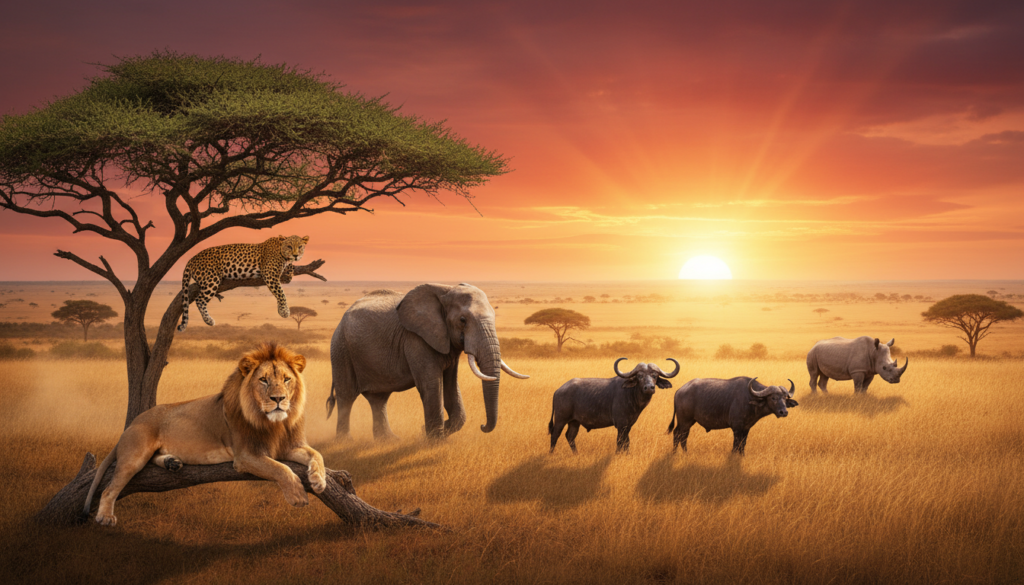
Compared to other safari spots, the Serengeti leads in Big Five sightings. A study showed the Serengeti is top for seeing lions and leopards.
Best Time to Visit for Optimal Wildlife Viewing
Exploring the Serengeti’s best times to visit shows each season has its own perks. The Serengeti’s diverse wildlife is seen throughout the year. But, the quality of your experience changes with the seasons.
Knowing the seasons is key for a great safari. The Serengeti has two main seasons: the dry and the green. Each season has its own advantages and challenges for wildlife watching.
Dry Season Dynamics
The dry season, from June to October, is the best for wildlife watching. The plants are thin, and water is hard to find. This makes animals gather at the few waterholes.
This gathering makes it easier to see many species, including the Big Five. The dry season also has the Great Migration’s river crossings. These events draw visitors worldwide.
Key advantages of visiting during the dry season include:
- Enhanced visibility due to sparse vegetation
- Concentration of wildlife around water sources
- The Great Migration’s dramatic river crossings
| Month | Wildlife Viewing Highlights | Migration Events |
|---|---|---|
| June | Start of dry season; animals begin to congregate | Migration starts moving towards Maasai Mara |
| July | Peak wildlife viewing; sparse vegetation | Crossing into Maasai Mara; river crossings begin |
| August | High concentration of predators and prey | Peak river crossing events |
| September | Continued excellent viewing conditions | Migration starts returning to Serengeti |
| October | End of dry season; some vegetation regrowth | Migration back in Serengeti; calving season preparations |
Navigating the Green Season
The green season, from November to December and March to May, offers different conditions. The lush greenery makes spotting animals harder. Yet, it also brings unique chances.
In the green season, the Serengeti is a birthing ground for many. The calving season in January and February is especially exciting. The landscape is also at its most vibrant, perfect for photos.
- Witnessing the calving season and newborn animals
- Lush landscapes offering unique photography opportunities
- Fewer tourists, potentially leading to a more exclusive experience
The best time to visit the Serengeti depends on what you want. Are you looking for the Great Migration, easy wildlife spotting, or stunning landscapes? Understanding each season helps plan your visit to meet your safari dreams.
Accommodation Styles and Luxury Standards
Accommodation in the Serengeti is more than just a place to sleep. It’s a key part of the safari adventure. There’s a wide range of places to stay, so everyone can find the perfect spot to relax after a day of exploring.
Tented Camps and Mobile Migration Camps
Tented camps mix adventure and luxury in a special way.
They’re often in remote spots, giving guests a real feel for nature. Mobile migration camps move with the great migration. This lets visitors see this amazing event up close.
Here are some key things about tented camps:
- Luxuriously appointed tents with comfy bedding
- En-suite bathrooms with hot water and flushing toilets
- Gourmet dining under the stars
Permanent Lodges and High-End Resorts
If you want more comfort and extras, there are permanent lodges and high-end resorts. These places have swimming pools, spas, and top-notch restaurants.
| Accommodation Type | Luxury Features | Unique Experience |
|---|---|---|
| Tented Camps | Luxurious tents, en-suite bathrooms | Immersive nature experience |
| Mobile Migration Camps | Following the great migration | Witnessing the Great Migration up close |
| Permanent Lodges | Swimming pools, spas, fine dining | Comfort and luxury in the wilderness |
Every type of accommodation in the Serengeti offers a unique experience. This lets visitors pick the best place for their safari adventure.
Budgeting for Your African Safari Adventure
Planning an African safari means you must think about your budget. Knowing the costs of a Serengeti safari is key. It’s important to look at the value of your destination, not just the price.
Cost Factors in Tanzania
The cost of a Serengeti safari depends on several things. These include the time of year, your accommodation, and the safari type. Tanzania has its own costs for tourism, like park fees. These fees help with conservation and park upkeep.
Accommodation costs can vary a lot. You can choose from budget-friendly tented camps to luxury lodges. The type of accommodation you pick greatly affects your safari’s cost. Also, guided tours, which are often needed, add to your expenses. These guides offer great insights into the ecosystem, making your safari better.
Value Comparison with South African Safaris
Comparing the Serengeti to Kruger National Park in South Africa shows the Serengeti’s value. Kruger is more affordable for self-drive safaris. But, the Serengeti’s guided safari culture offers a unique experience. The undisturbed wilderness and Great Migration spectacle are unmatched, making the Serengeti a top choice for a real African safari.
The Serengeti’s value comes from its natural beauty, wildlife, and exclusive experience. While it might cost more, the all-inclusive packages make it worth it. They include guided tours, accommodations, and meals, making your trip easy and enjoyable.
In conclusion, planning a Serengeti safari means looking at costs and value. By understanding what the Serengeti offers, you can choose wisely. This ensures a memorable and rewarding African safari adventure.
Accessibility and Travel Logistics
For many travelers, the best safari destination in Africa is only as good as the ease of getting there and getting around. Planning your trip to the Serengeti involves considering both international flight connections and internal bush flights, as well as ground transfers.
International Flight Connections
The first step in your journey is typically an international flight to either Kilimanjaro International Airport (JRO) or Julius Nyerere International Airport (DAR) in Tanzania. Kilimanjaro Airport is often preferred for Serengeti-bound travelers due to its proximity. Several major airlines operate flights to these airports from Europe and other parts of Africa.
When booking your international flights, it’s essential to consider the time of year and potential peak season demand. Advance booking is recommended to secure the best rates and ensure availability.
Internal Bush Flights and Ground Transfers
Upon arrival in Tanzania, most visitors take a domestic flight to one of the airstrips within or near the Serengeti National Park. These internal bush flights offer a scenic introduction to the landscapes you are about to explore. Operators like Coastal Aviation and SafariLink provide reliable services.
For those preferring or requiring ground transfers, options are available, though they are generally longer and less common due to the distances and road conditions involved. Many tour operators include ground transfers as part of their package, which can be a convenient option.
Once within the Serengeti, your safari operator will typically handle all logistics, ensuring that your travel within the park is smooth and enjoyable.
Family-Friendly Safari Considerations
The Serengeti African Safari is a top choice for families looking for a memorable experience. It’s important to plan carefully to ensure a safe and fun trip for everyone.
When planning a family safari, think about your family’s age and health. The Serengeti is a great place, but it has its challenges and opportunities.
Age Restrictions and Malaria Zones
Many safari lodges and tour operators in the Serengeti have age limits. These are usually between 6 to 12 years old. This is because safaris are remote and can be physically demanding.
The Serengeti is also a high-risk area for malaria. Families need to take steps to prevent malaria, like using mosquito repellent and taking medicine.
| Age Group | Considerations | Precautions |
|---|---|---|
| Children under 6 | High risk due to vulnerability to malaria and other diseases | Consult a healthcare professional; consider alternative destinations |
| Children between 6-12 | May be subject to age restrictions by lodges and tour operators | Research family-friendly operators; ensure proper health precautions |
| Teenagers and Adults | Generally, more adaptable to safari conditions | Still require malaria prophylaxis and preventive measures |
Educational Opportunities for Children
The Serengeti offers many educational opportunities for kids. They can learn about wildlife conservation and local ecosystems and cultures.
Many safari operators now have educational programs. These make the trip fun and educational for kids.
Choosing the Serengeti for your family safari is a great choice. It creates lifelong memories and gives kids a unique educational experience. They will learn to appreciate nature and conservation.
Photography and Videography Opportunities
The Serengeti’s endless plains and rich biodiversity make it perfect for photographers and videographers. It offers a unique African safari experience. The landscapes, from open grasslands to riverine forests, provide a diverse backdrop for capturing African wildlife.
The Serengeti’s exceptional lighting and landscape aesthetics are key advantages. The golden hours of sunrise and sunset offer soft, warm light. This light enhances the natural beauty, making it ideal for stunning images.
Lighting and Landscape Aesthetics
The Serengeti’s geography allows for unobstructed views of the horizon. This gives photographers the chance to capture expansive vistas. As one photographer said,
“The Serengeti’s landscapes are like nowhere else on Earth; the light is sublime, and the wildlife is abundant.”
The varied landscapes add depth and interest to photographs. From the rolling hills of the north to the short-grass plains of the southeast, there’s a range of textures and colors. The dramatic skies with towering cumulus clouds further enhance the aesthetic appeal of images captured here.
Vehicle Flexibility for Photographers
The flexibility offered by safari vehicles is a significant advantage for photographers in the Serengeti. These vehicles are designed to navigate the challenging terrain. They provide a stable platform for photography, allowing you to focus on capturing the perfect shot without worrying about your safety or mobility.
Many safari operators in the Serengeti offer vehicles with specialized photography features. These include raised seating and open tops, which enable photographers to get unobstructed shots of their subjects. This flexibility, combined with knowledgeable guides who understand the needs of photographers, makes the Serengeti an unparalleled destination for wildlife photography.
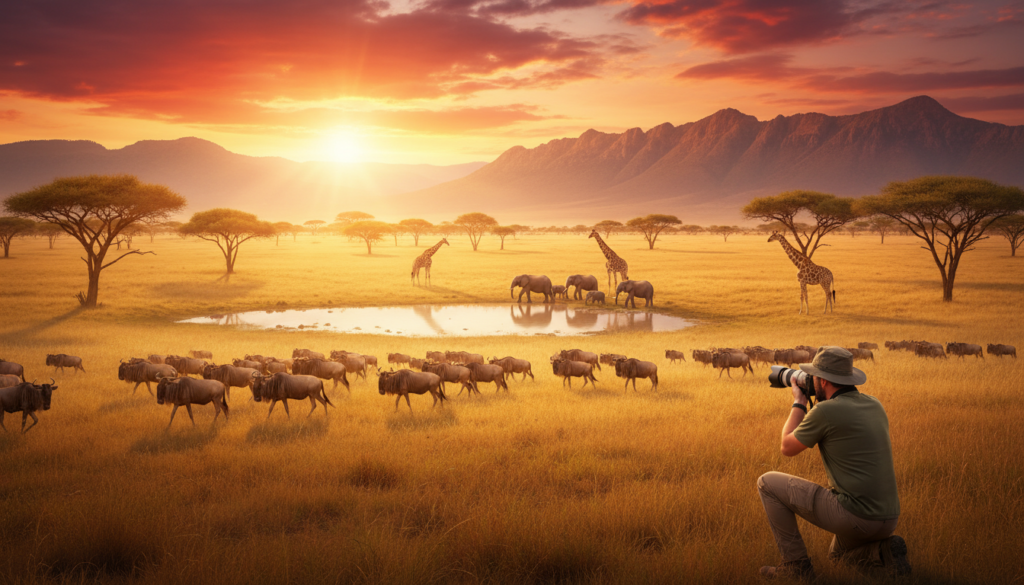
In conclusion, the Serengeti offers a unique experience for photographers and videographers. It has breathtaking landscapes, diverse wildlife, and flexible safari vehicles. Whether capturing a lion’s roar or a gazelle in flight, the Serengeti provides a challenging yet rewarding backdrop.
Cultural Immersion and Local Communities
Our journey through the Serengeti shows us its stunning landscapes and the lively cultures of its people. We get to meet the Maasai and see how they work to protect the land. This is a unique chance to learn about their culture and conservation efforts.
Engaging with Maasai Culture
The Maasai have traditions that have stayed the same for centuries. By visiting their villages and joining in ceremonies, we learn about their lives. This experience deepens our respect for the local community.
Community-Led Conservation Initiatives
The Serengeti’s conservation is led by the community. The Maasai Wilderness Conservation Trust is a key player. They work to protect the land and help local people make a living.
Supporting these efforts helps the Serengeti stay healthy for the future. Some benefits include:
- More effective conservation with community help
- Cultural exchange that builds understanding
- Jobs for local people through tourism
The Serengeti is more than a safari. It’s a chance to connect with Africa’s heart through its people and nature. Reflecting on why we choose the Serengeti, we see that culture and community are key to its magic.
Safety and Health Precautions for Travelers
Traveling to the Serengeti’s vast wilderness needs careful planning. It’s one of Africa’s best safari destinations. But, it also requires a focus on health and safety.
Before you go, knowing the health steps is key. This includes getting the right shots and understanding malaria risks. These are important for travelers to Africa.
Vaccinations and Malaria Prophylaxis
Vaccines are vital for staying safe from diseases. For the Serengeti, shots for yellow fever, hepatitis A, and typhoid are often needed. Always check with a doctor or travel clinic for your specific needs.
Malaria prevention is also crucial. The Serengeti has a lot of malaria. Taking medicine before, during, and after your trip is a must. For the latest on malaria prevention and health tips, visit the travel FAQs page.
General Safety Guidelines in the Bush
Staying safe in the wild means being aware and prepared. Always listen to your safari guides. They know the best ways to stay safe.
“The bush is a wild place; respect it, and it will reward you with unforgettable experiences.”
Also, always be aware of your surroundings. Keep a safe distance from animals. This keeps you safe and respects the wildlife.
By following these safety tips, you can enjoy the Serengeti’s beauty and wildlife. Your safari will be unforgettable and safe.
Conclusion
Our comparison of the Serengeti African Safari with Masai Mara and Kruger National Park shows its unique charm. The Great Migration, a one-of-a-kind event, highlights the Serengeti’s unmatched appeal.
When deciding between Serengeti, Masai Mara, or Kruger, consider several factors. Geographic scope, ecosystem diversity, and wildlife viewing quality are key. Masai Mara offers a condensed migration view, while Kruger is great for self-driving. But the Serengeti’s vast landscapes and guided safari culture make it stand out.
The choice between these places depends on what you want from your safari. If you seek a true, immersive nature experience, the Serengeti is unbeatable. Its beauty, diverse wildlife, and cultural richness make it a top choice for safari lovers.