
Planning a Tanzania safari is all about finding the right mix. You might be thinking about whether the wide plains or the rough river valleys are better for you. It’s about finding the place that speaks to your heart.
Deciding between Ruaha or Serengeti isn’t about picking the best park. It’s about finding the place that feels right to you. Each spot offers a special view into East Africa’s heart, with its own wildlife and landscapes.
Let’s dive into these differences together. By understanding what makes each place unique, you can make sure your trip is exactly what you want. It’s about finding a place where you can truly connect with nature.
Key Takeaways
- The Serengeti is famous for its huge grasslands and the Great Migration.
- Ruaha is perfect for those who love a quiet, rugged adventure.
- Seeing wildlife is different in each park because of their geography.
- Your choice should match your travel style and the animals you want to see.
- Both places offer amazing chances to connect with nature.
The Great Serengeti Migration Versus the Wilds of Ruaha
Planning a Tanzanian safari brings two top experiences: the Great Serengeti Migration and Ruaha National Park’s wilds. The Serengeti’s Great Migration is a world wonder. Millions of wildebeest, zebras, and gazelles move in search of better food.
Ruaha National Park, however, offers a secluded and raw experience. It has vast, untouched landscapes and a wide variety of wildlife. Its remote spot and fewer visitors mean a closer bond with nature.
The Great Serengeti Migration shows nature’s power. It draws visitors worldwide with its massive scale and drama. It’s not just about the numbers; it’s a battle of survival between predators and prey.
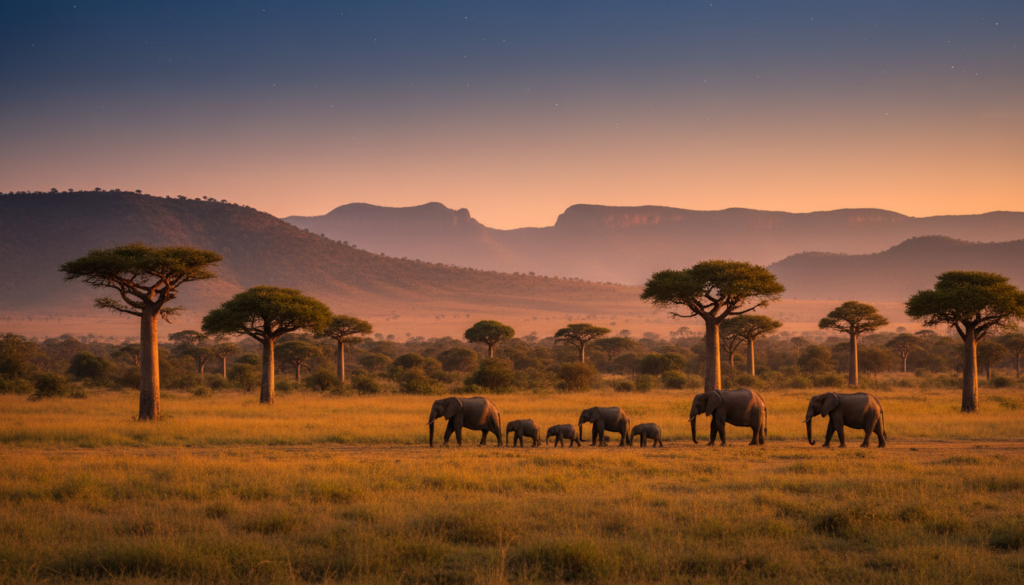
Ruaha’s landscape is filled with baobab trees, and the Great Ruaha River supports many animals. Here, the focus is on being part of an untouched African wilderness, not just seeing a big show.
Both places have their own special appeal. The Serengeti’s migration is unforgettable for many. But Ruaha’s quiet offers a deeper, more personal connection with the African wild.
Geographic Differences and Accessibility
Tanzania is home to two unique safari spots: the Serengeti and Ruaha. Each has its own geography and challenges in getting there. These differences greatly affect your safari adventure.
The Serengeti is in northern Tanzania. It’s part of a bigger ecosystem that also includes Kenya’s Maasai Mara. Its easy-to-reach location makes it a top choice for many.
Reaching the Serengeti Plains
The Serengeti is easy to get to by air, with many airstrips nearby. Flights from major Tanzanian cities like Arusha and Dar es Salaam make it simple. If you prefer driving, it’s about 8-10 hours from Arusha, depending on the road.
Once you’re there, the Serengeti has good roads. This makes it perfect for those who want to see the African savannah easily.
Navigating the Remote Southern Circuit to Ruaha
Ruaha National Park in southern Tanzania is a different story. The trip to Ruaha is an adventure itself. Most people fly in. This makes it exclusive but also requires more planning.
Ruaha is for the bold traveler. It offers a unique southern Tanzania safari experience. The remote area and limited roads mean you get a more private and deep experience in the wild.
Knowing the differences in geography and access is crucial. The Serengeti is easy to get to and well-known. Ruaha, on the other hand, is for those who want a secluded and rugged adventure in southern Tanzania.
Comparing the Wildlife Density and Diversity
When planning a Tanzanian safari, knowing the wildlife differences between Ruaha and Serengeti is crucial. Both parks offer amazing wildlife experiences but suit different tastes and expectations.
Wildlife diversity and density depend on habitat, prey, and conservation. The Serengeti and Ruaha, both in Tanzania, have unique wildlife profiles.
The Big Five Experience in the Serengeti
The Serengeti is famous for its Big Five: lion, leopard, rhinoceros, elephant, and Cape buffalo. Its open plains are perfect for seeing these iconic animals.
- Lions are often seen resting in the shade or hunting across the plains.
- Leopards, though hard to find, can be spotted in the Serengeti’s acacia trees.
- The black rhinoceros, an endangered species, is protected in the park.
- Large herds of elephants roam the Serengeti, providing unforgettable views.
- Cape buffalo, known for their unpredictable nature, are seen in large groups.
Ruaha Wildlife: Predators and Rare Species
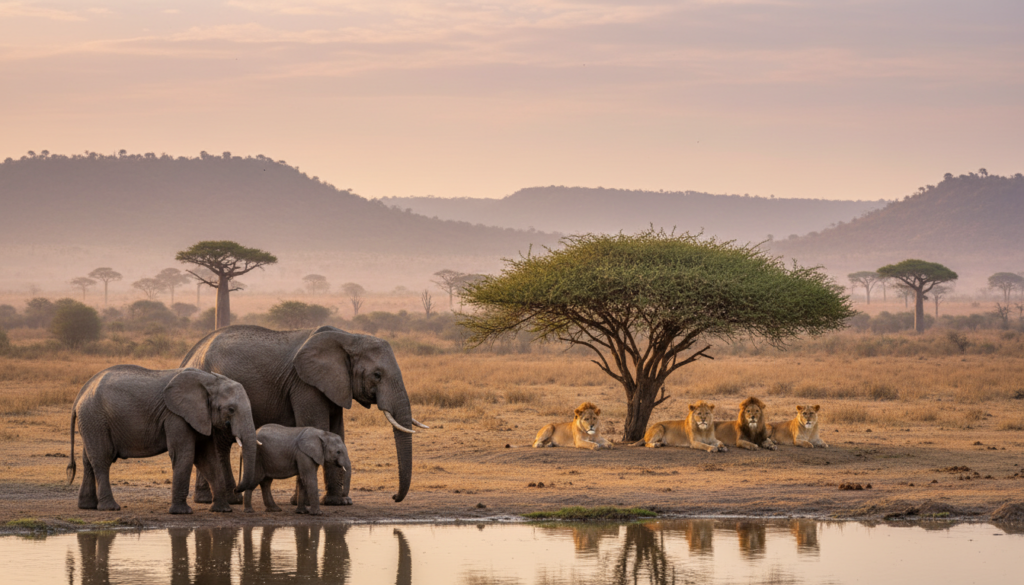
Ruaha National Park is known for its many predators and rare species. You can often see many lions, leopards, and hyenas here.
- The park’s varied habitats support a wide range of predators.
- Rare species like the African wild dog are sometimes seen.
- Ruaha also has many antelope species, adding to its biodiversity.
In conclusion, both Ruaha and Serengeti offer great wildlife viewing. But they differ in wildlife density and diversity. Your choice depends on whether you want to see the Big Five or the thrill of Ruaha’s predators and rare species.
Seasonal Variations and Best Times to Visit
Knowing when to visit Tanzania’s wild places is key for a great safari. Ruaha and Serengeti have their own best times, depending on the season.
Timing Your Serengeti Safari for the Migration
The Serengeti is famous for the Great Migration. This event attracts many visitors. It happens from December to July, based on rain and food availability.
For the calving season, go in January and February. For the exciting river crossings, visit in July and August.
The Dry Season Advantage in Ruaha National Park
Ruaha National Park is best in the dry season, from May to October.
In this time, animals gather at water spots, making it great for seeing many species. This makes Ruaha perfect for those looking for a Tanzania off-the-beaten-path adventure.
| Park | Best Time to Visit | Highlights |
|---|---|---|
| Serengeti | December to July | Great Migration, Calving Season, River Crossings |
| Ruaha | May to October | Dry season wildlife viewing, Rare species spotting |
The best time to visit Ruaha or the Serengeti depends on what you want to see. Whether it’s the Great Migration in the Serengeti or the off-the-beaten-path dry season in Ruaha, planning for the season will make your trip better.
The Serengeti Safari Experience: What to Expect
When you enter the Serengeti, you’re not just on a safari. You’re diving into a world full of life and beauty. The Serengeti safari offers exciting wildlife and peaceful landscapes.
The heart of the Serengeti is its classic savannah and the wildlife viewing. The crowd dynamics also play a big role in your experience.
The Classic Savannah Landscape
The Serengeti’s savannah is a true African beauty. It has rolling grasslands and acacia trees. This place is not just beautiful; it’s also home to many animals.
Key Features of the Serengeti Landscape:
- Endless plains that stretch as far as the eye can see
- Acacia trees providing shade and habitat for various species
- Rock outcrops or “kopjes” that serve as vantage points for predators
Crowd Dynamics and Vehicle Density
The crowd can really affect your safari. The Serengeti is loved by many, and in peak season, it gets busy.
| Aspect | Peak Season | Off-Peak Season |
|---|---|---|
| Vehicle Density | High | Low |
| Wildlife Viewing | Concentrated around migration routes | More dispersed, requiring guides’ expertise |
| Overall Experience | Exciting, with a lively atmosphere | More serene and exclusive |
Knowing about crowd dynamics helps you plan your trip. You can choose between a lively safari or a quiet one.
The Ruaha Safari Experience: Off-the-Beaten-Path Tanzania
Exploring Ruaha National Park in Tanzania is an adventure like no other. It’s a hidden gem that offers a mix of wild landscapes, diverse wildlife, and a sense of exclusivity. This place is a rare find among the more crowded safari spots.
The Rugged Beauty of the Great Ruaha River
The Great Ruaha River is the heart of the park. Its rugged beauty draws in many animals. The river changes the landscape, making it lush during the rains and still green in the dry season.
Walking through the park, you see how the river affects the environment. Many plants and animals thrive here.
Some key things about the Great Ruaha River are:
- It’s home to a wide range of wildlife.
- The landscape changes a lot between the wet and dry seasons.
- It’s perfect for great wildlife watching and photos.
Exclusivity and Solitude in the Bush
What makes Ruaha special is the feeling of being alone in the wild. It’s not as crowded as other safari places. This means you can really connect with nature.
Being here offers many benefits:
- You get closer to nature.
- It’s easier to see animals without other tourists around.
- It feels like a real adventure.
In Ruaha, the wild beauty and quiet of the wilderness make for a unique and unforgettable safari.
Accommodation Styles and Luxury Levels
Choosing where to stay on your Tanzanian safari is as important as the trip itself. The Serengeti and Ruaha offer many options, from luxury lodges to cozy bush camps. Each place caters to different tastes and budgets.
The right place to stay can change your safari experience. It affects your daily activities and how comfortable you feel after a long day.
High-End Lodges and Tented Camps in the Serengeti
The Serengeti is famous for its luxury lodges and tented camps. These places offer top-notch amenities and stunning views of the savannah. They have big rooms, great food, and excellent service, perfect for those who want comfort and luxury.
Luxury tented camps in the Serengeti, like Serengeti Migration Camp or Lemala Serengeti, mix adventure with luxury. They have fancy tents with bathrooms and sometimes private decks to watch the plains.
Intimate Bush Camps and Eco-Lodges in Ruaha
Ruaha’s places are more private and focus on bush camps and eco-lodges. They offer a real wilderness experience. These places care about the environment and fit well into nature.
Places like Ruaha River Lodge or Mkwawa Safari Camp give a rugged, adventurous feel. They have tented camps and rustic lodges to get you closer to nature.
Choosing between the Serengeti and Ruaha depends on what you want. Do you want luxury and amenities in the Serengeti or a more personal experience in Ruaha? Both places promise a memorable Tanzanian safari.
Ruaha Or Serengeti: Which Offers Better Value?
Planning a Tanzanian safari means choosing between Ruaha National Park and the Serengeti. Cost is a big factor. Both places offer unique experiences, but their prices are different.
To find the better value, we must look at the costs of visiting these parks.
Budgeting for a Northern Circuit Adventure
The Serengeti is part of Tanzania’s Northern Circuit. It’s more touristy and pricier. Costs include:
- Lodge and camp fees, which can range from $200 to over $1,000 per night for high-end accommodations.
- Guided tour prices, which can vary from $150 to $300 per person per day.
- Transportation costs, including domestic flights or lengthy road transfers.
Cost Considerations for Southern Tanzania Safaris
Ruaha National Park in Southern Tanzania is more budget-friendly. It offers a great safari experience without the high cost.
| Cost Component | Serengeti | Ruaha National Park |
|---|---|---|
| Accommodation (per night) | $200-$1,500 | $150-$800 |
| Guided Tours (per person, per day) | $150-$300 | $100-$250 |
| Transportation (domestic flights or road transfers) | Higher due to frequent demand | Generally lower, but can vary based on remoteness |
The table shows Ruaha National Park is more affordable. It’s a great choice for those on a budget.
But, value isn’t just about cost. It’s also about the experience. The Serengeti’s Great Migration is unforgettable, making it worth the extra cost for many.
Ruaha offers a unique, off-the-beaten-path experience. It’s less crowded, providing a more authentic safari at a lower cost.
Choosing between Ruaha and Serengeti depends on what you value most. If seeing the Great Migration is key, the Serengeti might be worth it. But for a secluded, budget-friendly safari, Ruaha is a great option.
Safari Activities Beyond the Game Drive
Game drives are key to any safari, but Ruaha and the Serengeti offer more. You can connect with nature and local culture in new ways. These activities add depth to your safari, showing you different sides of the parks.
Ruaha National Park stands out for its walking safaris and night drives. Walking safaris let you see the park up close, on foot. You’ll explore with guides who know the area well.
Walking Safaris and Night Drives in Ruaha
Guides on walking safaris in Ruaha teach you about the park’s plants and animals. It’s a thrilling way to learn about survival in this unique place.
| Activity | Description | Experience Level |
|---|---|---|
| Walking Safari | Explore Ruaha’s ecosystem on foot with experienced guides | Moderate |
| Night Drive | Witness nocturnal wildlife activities under the stars | Easy |
The Serengeti has its own special activities, like hot air ballooning. It gives you a stunning view of the park’s vastness and wildlife.
Hot Air Ballooning and Cultural Visits in the Serengeti
Hot air ballooning is a peaceful and memorable experience. It offers wide views of the Serengeti. After, a bush breakfast lets you enjoy the morning calm.
Landscape and Scenery Comparison
Tanzania’s national parks, the Serengeti and Ruaha, are like two different paintings. They show how different landscapes can change the safari experience. This also affects how animals live and move.
The Endless Plains of the Serengeti
The Serengeti is famous for its endless plains. These grasslands go on forever. You can see them from far away. During the great migration, the plains are full of wildebeest, zebras, and gazelles.
The Serengeti’s open landscape is perfect for seeing animals. You can see them clearly because of the Serengeti landscapes.
Baobab Forests and Riverine Landscapes of Ruaha
Ruaha National Park is different. It has baobab forests and riverine landscapes. The Great Ruaha River adds life to the park. It attracts many animals.
The Ruaha scenery is unique. It has old baobab trees and is far from the usual tourist spots. Ruaha has many different places to explore, from forests to open areas. It’s great for those who want a different safari experience.
The Serengeti and Ruaha offer different views and safari experiences. Whether you like the wide views of the Serengeti or the rugged beauty of Ruaha, both parks show Tanzania’s natural beauty.
Family-Friendly Safari Considerations
Tanzania’s diverse landscapes and wildlife make it perfect for family safaris. The Serengeti and Ruaha are top choices. It’s key to pick the right place for your family, especially if you have young kids.
Why the Serengeti Suits Families with Children
The Serengeti is great for family-friendly safaris. It has many activities for kids. The open plains are perfect for game drives, where kids can see the Great Migration up close.
Many lodges in the Serengeti are family-friendly. They offer amenities and services for younger travelers.
Is Ruaha Appropriate for Younger Travelers?
Ruaha National Park is less crowded than the Serengeti. It offers a unique safari experience for families. The park’s diverse landscapes, including the Great Ruaha River, are perfect for safaris for children.
But, Ruaha is remote, so families need to be ready for a rugged adventure. Some lodges in Ruaha are designed for families, offering a secluded experience.
Both the Serengeti and Ruaha are great for families. The choice depends on what your family wants from a safari. The Serengeti is good for a traditional, crowd-friendly experience. Ruaha is ideal for a secluded, off-the-beaten-path adventure.
Photography Opportunities and Challenges
The art of safari photography shines in Tanzania, with the Serengeti and Ruaha offering different yet stunning settings. The Serengeti is known for the Great Migration’s action-packed scenes. Ruaha, on the other hand, is perfect for serene landscapes and macro photography.
Photography here needs a deep understanding of local wildlife, patience, and the right gear. The changing light, from dawn and dusk’s golden hours to the midday sun’s harshness, requires adaptability and skill.
Capturing the Great Migration
The Serengeti’s Great Migration is a breathtaking wildlife spectacle. It offers photographers a chance to capture intense moments of predator and prey. Over a million wildebeest, zebras, and gazelles migrate, showing nature’s power and beauty.
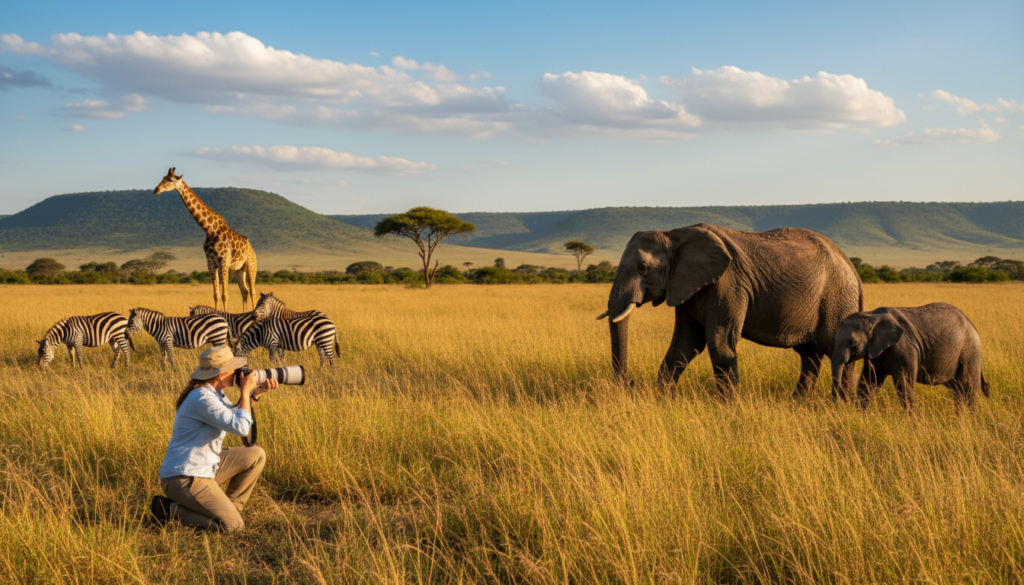
To capture the Great Migration’s essence, focus on the action. Use fast shutter speeds to freeze the moment. Telephoto lenses are key for capturing wildlife details without disturbing them.
Macro and Landscape Photography in Ruaha
Ruaha National Park, unlike the Serengeti, has a diverse landscape. It includes the Great Ruaha River, baobab forests, and rugged terrain. This variety is perfect for both landscape and macro photography.
Ruaha’s less crowded environment lets photographers connect deeply with nature. It’s ideal for capturing the African bush’s subtleties. From insects and flora to majestic baobab trees, Ruaha is a paradise for macro and landscape photography.
Combining Both Destinations for the Ultimate Trip
We suggest a multi-region trip that includes Ruaha and Serengeti for a full Tanzanian adventure. This way, you get to see the best of Tanzania’s different ecosystems and animals.
Traveling to both Ruaha and Serengeti in one trip lets you see Tanzania’s varied landscapes and wildlife. You’ll see the Serengeti’s endless plains and Ruaha’s rugged beauty. This mix gives you a complete safari experience.
Logistics of a Multi-Region Tanzania Itinerary
Planning a trip to multiple places needs careful thought about travel times and distances. It’s best to work with experienced guides and tour operators for a smooth trip between Ruaha and Serengeti.
Key logistical considerations include arranging transportation between the two regions and booking accommodations that fit your preferences.
Balancing the Northern and Southern Circuits
A good itinerary should give enough time for both the Northern Circuit (Serengeti) and the Southern Circuit (Ruaha). Typically, a minimum of 10 days is recommended to fully enjoy each region’s unique features.
By visiting both places, you get a richer, more varied Tanzanian experience. You’ll see the different landscapes and wildlife each region offers.
Expert Tips for Planning Your Tanzania Safari
Planning a Tanzania safari well is key to a great African adventure. There are important things to think about to make your trip smooth and fun.
Visa Requirements and Health Precautions
First, know the visa rules and health tips. Most people need a visa to get into Tanzania. You can get it when you arrive or before through your local embassy.
Health is also crucial. Tanzania asks for a yellow fever shot if you’ve been to certain places. Also, talk to your doctor about shots and meds like for malaria.
| Requirement | Description |
|---|---|
| Visa | Required for most nationalities; can be obtained on arrival or in advance |
| Yellow Fever Vaccination | Required if arriving from or passing through a country with yellow fever risk |
| Malaria Prophylaxis | Recommended; consult healthcare provider for appropriate medication |
Packing Essentials for Diverse Climates
Tanzania’s weather changes a lot. Pack clothes and gear for different weather. Bring light clothes for hot days and layers for cooler times.
Don’t forget sturdy shoes, a hat, sunglasses, and sunscreen. If it’s rainy, bring waterproof stuff and bug spray. Also, pack a first-aid kit with band-aids, wipes, and your meds.
Conclusion
Tanzania is home to diverse safari experiences, from the Serengeti’s endless plains to Ruaha’s rugged landscapes. When choosing between Ruaha and Serengeti, think about what you want most. Do you want to see the Great Migration, or prefer a unique, off-the-beaten-path adventure?
We can customize your safari to fit your needs and budget. You can have a private tour with a professional guide and a 4×4 vehicle. Whether you pick the Serengeti, add Zanzibar to your trip, or explore Ruaha, we make it smooth and memorable. For more details on planning your perfect Tanzania safari, check out our website at Pori Africa Adventure.
Choosing between Ruaha and Serengeti depends on your travel style and what you’re looking for. Knowing what each place offers helps you make the best choice for your adventure.