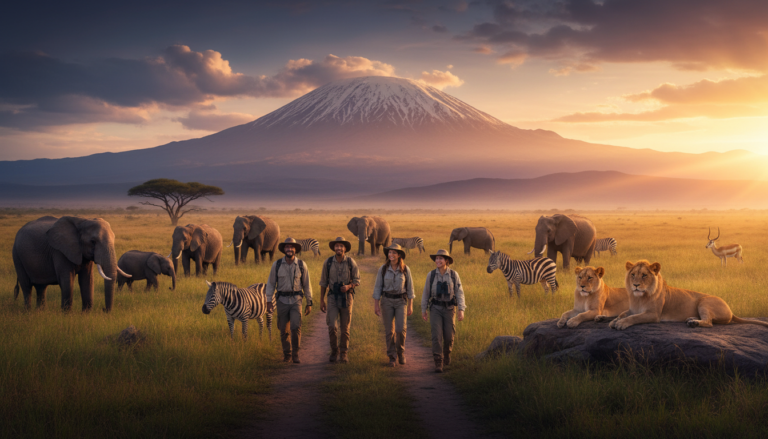
The vast plains of East Africa call to those who seek a deeper connection with the natural world. As we look toward 2026, the wilderness remains a sanctuary for the patient observer. We invite you to embark on an unforgettable journey through landscapes that have defined the rhythm of life for millennia.
Planning your first Tanzania safari requires both foresight and a respect for the environment. In this guide, we provide the essential knowledge to ensure your expedition is seamless and profound. We will walk you through every detail, helping you prepare for an adventure that promises to be the highlight of your travels.
Key Takeaways
- Understand the optimal timing for wildlife migration patterns in 2026.
- Learn how to select the right lodges for an authentic wilderness experience.
- Discover essential packing tips for the East African climate.
- Gain insight into the cultural etiquette of local communities.
- Master the logistics of park permits and travel documentation.
Why Tanzania is the Ultimate Safari Destination
Tanzania is a top pick for safaris in 2026. It’s known for its diverse wildlife and stunning natural beauty. The country is dedicated to protecting its wildlife and natural heritage.
The Diversity of Tanzania Wildlife
Tanzania is home to an incredible variety of wildlife, known as Tanzania wildlife. You can see lions in the Serengeti and large elephant herds in Tarangire. The national parks are full of life.
There are over 430 species of birds and many mammals, reptiles, and insects. The diversity is amazing.
The Serengeti National Park is famous for its annual migration. Wildebeest, zebras, and gazelles migrate here. It’s one of the most impressive wildlife events.
Other parks like Ngorongoro Conservation Area and Lake Manyara National Park offer exciting experiences. They have unique landscapes and support a wide variety of flora and fauna.
Unique Landscapes and Ecosystems
Tanzania’s landscapes are varied and stunning. The country has everything from Mount Kilimanjaro’s snow-capped peaks to the Serengeti’s vast plains.
The Rift Valley has created different habitats. You’ll find lakes, forests, and mountains, each with its own wildlife.
The Ngorongoro Crater is a UNESCO World Heritage Site. It’s the world’s largest intact caldera. It offers a unique safari experience.
Its diverse habitats support a wide range of wildlife. It’s a small world of Tanzania’s natural beauty.
Understanding the Tanzania Safari Cost
Planning a Tanzania safari means knowing the costs for a great experience. The price can change based on when you go, where you stay, and the parks you visit.
When planning your safari, think about the value you get for your money. A good safari is a chance to make memories that last a lifetime. The quality of your trip depends on your choices of tour operator, where you stay, and what you do.
Budgeting for Mid-Range vs. Luxury Experiences
Choosing between mid-range and luxury safaris is a big decision. Mid-range safaris offer a good mix of price and comfort, costing $200 to $500 per person per day. They usually include tented camps or lodges and guided tours.
Luxury safaris, however, provide top-notch accommodations and service. They might include extras like hot air balloon rides. Prices for luxury safaris can be $1,000 to $2,000 or more per person per day.
| Experience Level | Cost per Person per Day | Accommodation Type |
|---|---|---|
| Mid-Range | $200-$500 | Tented Camps or Mid-Range Lodges |
| Luxury | $1,000-$2,000+ | High-End Lodges or Private Camps |
A safari expert says, “Mid-range and luxury safaris differ in more than just where you stay. It’s about the whole experience, including how personal it is and the quality of your guides.”
“Luxury safaris are about making memories in the wild, not just fancy places to stay.”
Hidden Costs to Consider
There are costs beyond your safari package. Think about visa fees, vaccinations, and insurance. Also, don’t forget tips for your guides and staff.
Consider the cost of extra activities or excursions too. These can cost $50 to $200 per person, depending on what you choose.
- Visa fees: $50-$100 per person
- Vaccinations and medications: $100-$300 per person
- Travel insurance: $50-$200 per person
- Gratuities: $10-$20 per day per person
Knowing these costs helps you plan your safari better. This way, your trip will be memorable and won’t break the bank.
Best Time to Visit for Your First Safari
Planning a Tanzania safari means knowing the best time to go. This ensures your trip is unforgettable. The timing affects your chances of seeing wildlife, as different seasons bring different events.
Two key factors are the Great Migration and the weather. Knowing these helps plan your trip for the best Tanzania wildlife viewing.
The Great Migration Patterns
The Great Migration is a breathtaking event. Over a million wildebeest, zebras, and gazelles move in search of food. This journey happens across the Serengeti and Maasai Mara.
| Month | Location | Event |
|---|---|---|
| January – March | Ngorongoro Conservation Area | Calving season |
| April – May | Serengeti | Migration starts moving north |
| June – August | Serengeti and Maasai Mara border | Peak migration season |
| September – November | Maasai Mara and back to Serengeti | Migration returns south |
| December | Serengeti | Short rains, lush landscapes |
For 2026, the migration is expected to follow the usual pattern. But, weather can change things.
Weather Considerations for 2026
Tanzania’s weather changes a lot. The dry season (June to October) is best for seeing animals. They gather near water, making them easier to spot.

The wet season (November to May) is great for birdwatching. But, some places might be hard to reach because of rain. For 2026, the weather looks like it will be mostly dry, making it a great year for a safari.
Top Tanzania National Parks for First-Timers
Tanzania is a top safari spot with many national parks perfect for newcomers. You can see everything from the Serengeti’s endless plains to the Ngorongoro Crater and Tarangire National Park’s unique views.
Serengeti National Park Highlights
The Serengeti is famous for its huge savannahs and the Great Migration. It’s a top spot to see:
- Abundant Wildlife: Huge herds of wildebeest, zebras, and gazelles.
- The Great Migration: An amazing event that happens every year.
- Diverse Landscapes: From grasslands to riverine forests.
Ngorongoro Crater Conservation Area
The Ngorongoro Crater is a special place, a huge volcanic crater filled with wildlife. It’s known for:
- Crater Floor: A natural home for many animals.
- Black Rhinoceros: A safe place for endangered black rhinos.
- Archaeological Significance: It’s also rich in ancient history.
Tarangire National Park and Elephant Herds
Tarangire National Park is famous for its elephants and ancient baobab trees. It’s known for:
- Elephant Herds: Home to many elephants.
- Baobab Trees: Iconic trees are everywhere.
- Seasonal Migration: See animals move with the seasons.
Tanzania’s national parks are a mix of amazing safari experiences. Knowing what each park offers helps first-timers plan their trip.
Selecting the Right Tanzania Safari Packages
Planning your Tanzania safari adventure means understanding the different safari packages. The right package can greatly enhance your experience. It affects personalization and transportation.
Group Tours vs. Private Expeditions
Choosing between a group tour or a private expedition is a key decision. Group tours are great for meeting others and sharing the adventure. They’re often cheaper and foster camaraderie as you explore together.
Private expeditions offer a customized experience. They fit your interests and schedule. This means more time at places you love.
| Features | Group Tours | Private Expeditions |
|---|---|---|
| Cost | Generally more affordable | More expensive due to customization |
| Social Aspect | Opportunity to meet other travelers | More intimate, personalized experience |
| Flexibility | Fixed itinerary | Flexible, can be adjusted on the go |
Fly-in Safaris vs. Overland Drives
Consider the travel mode when picking Tanzania safari packages. Fly-in safaris are quick, using charter flights to save time.
Overland drives give a closer look at Tanzania’s landscapes and ecosystems. They’re slower but offer a unique view of the country’s geography and cultures.
| Transportation Mode | Fly-in Safaris | Overland Drives |
|---|---|---|
| Time Efficiency | Quick travel between destinations | More time-consuming due to driving |
| Scenic Experience | Limited to airport views | Immersive experience of diverse landscapes |
| Cost | Can be more expensive due to flight costs | Generally more budget-friendly |
Essential Safari Tanzania Tips for Beginners
Getting ready for your Tanzania safari is exciting. Knowing the basics can make your trip better. A good plan means you can enjoy the stunning views and wildlife without stress.
Packing Essentials for the Bush
Packing for the bush means being ready for anything. Here’s what you should bring:
- Lightweight and breathable clothing
- Sturdy boots for walking safaris
- Warm layers for cooler mornings and evenings
- A reliable sun hat and sunscreen
- Insect repellent to protect against mosquitoes and other insects
Photography Gear and Etiquette
Photography in the wild needs the right gear and manners. Bring a camera with a good zoom, a tripod, and extra batteries and memory cards. Always respect the animals and follow your guide’s advice for a safe and fun time.
Looking for guided tours? Tanzania safari tours can teach you a lot and make your trip better.
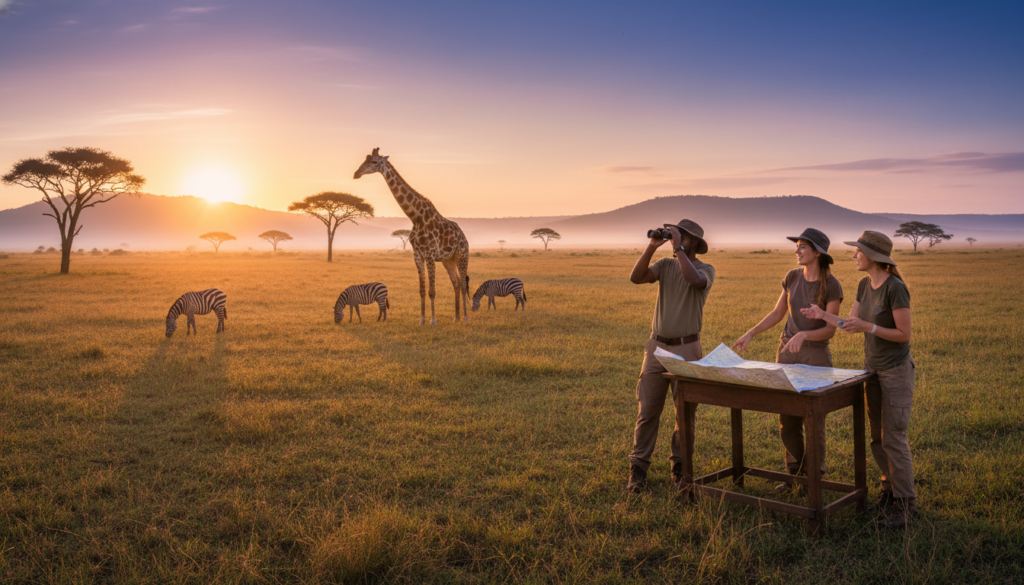
A great safari starts with being prepared and knowing what to expect. With the right packing and photography tips, you’re set for an amazing time in Tanzania.
Navigating Visa and Entry Requirements
To have a smooth trip to Tanzania for your safari, knowing the visa and entry rules is key. Preparing ahead of time will help you avoid any last-minute problems.
Applying for an E-Visa
Tanzania now has an electronic visa (e-visa) system to make entry easier for visitors. To get an e-visa, go to the official Tanzanian e-visa portal and fill out the form. It’s easy and you need to give personal info, passport details, and your travel plans.
Make sure your passport is good for at least six months after your stay in Tanzania. Also, have a scanned copy of your passport’s bio-data page ready. You can pay the e-visa fee online with a credit or debit card.
| Document | Requirement | Notes |
|---|---|---|
| Passport | Valid for at least 6 months | Ensure sufficient validity |
| Photo | Recent passport-sized photo | Required for e-visa application |
| Travel Itinerary | Details of your travel plans | Include entry and exit dates |
Health and Vaccination Protocols
Tanzania has certain health and vaccination rules for travelers. The most important ones are yellow fever shots, especially if you’re coming from or through a yellow fever risk area.
Other shots you might need include Hepatitis A, Hepatitis B, and Typhoid. Also, make sure you’re up-to-date on routine shots like MMR, DTAP, and Polio.
| Vaccination | Requirement | Recommendation |
|---|---|---|
| Yellow Fever | Mandatory for travelers from certain countries | Consult your doctor or a travel clinic |
| Hepatitis A | Recommended for all travelers | Provides protection against Hepatitis A virus |
| Malaria Prophylaxis | Recommended depending on your itinerary | Consult your doctor for the best medication |
It’s wise to talk to your doctor or a travel clinic 4-6 weeks before your trip. This way, you’ll make sure you have all the shots and meds you need.
Choosing Your Safari Accommodation
Planning your Tanzania safari means picking where to stay. Your place to rest is key to a great trip. It shapes your whole safari adventure.
We help you pick the best spot for your stay. We look at comfort, location, and how it affects nature and locals. Your choice can change how you see the wild and meet the people there.
Tented Camps vs. Permanent Lodges
Tented camps and lodges offer different vibes. Camps let you feel nature up close. They’re often in quiet spots.
Lodges, though, have more comforts. They’re near more services. Your choice depends on what you want from your trip.
As “The luxury of a lodge or the simplicity of a tented camp, the choice is yours,” a guide notes. This choice is big. It affects your comfort and how you connect with nature.
Eco-Friendly Safari Practices
Now, eco-friendly safari choices are more common. Lodges and camps in Tanzania are going green. They try to leave less mark on the environment.
Think about staying somewhere that cares about the planet. Look for places that use green energy, reduce waste, and help local people. This helps keep Tanzania’s nature and animals safe.
“Sustainable tourism is not just about reducing our impact; it’s about creating a positive impact on the communities we visit.”
Look for places that use solar power, collect rainwater, and recycle. Also, choose places that help local wildlife and communities.
- Look for accommodations that use renewable energy sources.
- Choose lodges and camps that have implemented waste reduction and recycling programs.
- Support local communities by selecting accommodations that source products and services locally.
By choosing wisely, you can have a great and responsible safari in Tanzania.
The Reality of Safari Logistics
Getting ready for your Tanzania Safari? It’s key to understand the basics of traveling and getting your vehicle ready. Safari logistics involve many parts to make your trip smooth and safe.
Domestic travel is a big part of safari planning. Many trips include domestic flights to get to far-off national parks. These flights are run by airlines that are experts in flying in the bush.
Domestic Flights and Bush Airstrips
Flights in Tanzania often land on simple bush airstrips. These airstrips are found near or inside national parks. They give you a direct start to your safari.
The state of these airstrips can change, and weather can affect flights. So, being flexible is important when planning your Tanzania Safari.
| Airline | Type of Aircraft | Typical Routes |
|---|---|---|
| Air Tanzania | Commercial Jets | Dar es Salaam to Kilimanjaro, Zanzibar |
| Precision Air | Turboprop Aircraft | Kilimanjaro to Arusha, Serengeti |
| Regional Airlines | Small Charter Planes | Arusha to Serengeti, Ngorongoro |
Vehicle Safety and Maintenance
For overland safaris or drives in parks, vehicle safety and maintenance are crucial. Safari vehicles are 4x4s made for tough terrain. They offer a safe way to see wildlife.
Keeping these vehicles in top shape is essential. This means checking tires, engine, and safety features like brakes and suspension.
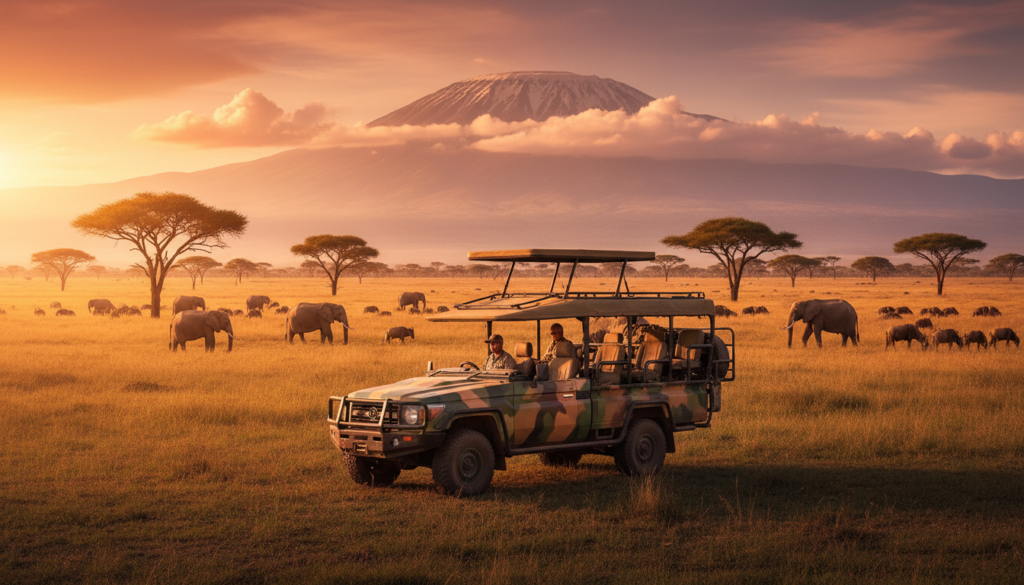
When choosing a safari operator, ask about their vehicle upkeep and safety record. A well-kept vehicle is safer and makes your safari better.
Cultural Etiquette and Local Interactions
Going on a Tanzanian safari means more than just seeing animals. It’s about connecting with local communities too. This requires us to be thoughtful about cultural sensitivities.
It’s key to understand and respect local customs. This way, we can have a meaningful and positive time with the people we meet. Tanzania is home to many ethnic groups, each with its own traditions and lifestyle.
Visiting Maasai Communities
The Maasai people are well-known in Tanzania. They stand out because of their unique customs and clothes. When we visit Maasai communities, we must be respectful of their traditions.
Here are some tips for visiting Maasai communities:
- Wear modest clothing.
- Always ask before taking photos, as some rituals are private.
- Use a simple greeting like “Jambo” (hello) when you meet someone.
- Be open to learning and listening to their stories.
Tipping Culture in Tanzania
Tipping is a big part of Tanzanian culture, especially in tourism. Guides, porters, and other service staff often get most of their income from tips.
Here are some guidelines for tipping in Tanzania:
| Service | Recommended Tip |
|---|---|
| Guides | $10-$20 per day |
| Porters | $5-$10 per day |
| Hotel Staff | $1-$5 per service |
By being informed and considerate, we can make our interactions positive and enriching for everyone.
Health and Safety in the Wilderness
Before your Tanzanian safari, knowing about health and safety is key. Tanzania’s varied landscapes, like the Serengeti and Ngorongoro Crater, are home to many animals. This means there are health risks to consider.
Malaria Prevention and Medication
Malaria is a big worry in Tanzania, especially below 1,800 meters. Effective malaria prevention is vital. It includes taking medicine and avoiding mosquito bites.
- Medication: Talk to your doctor about the right antimalarial for your trip. Choices include atovaquone-proguanil, doxycycline, and mefloquine. Each has its own side effects and considerations.
- Preventive Measures: Besides medicine, using DEET or picaridin repellents on skin and clothes helps. Wear long sleeves and pants. Stay in places with screened windows or air conditioning.
Staying Safe Around Wildlife
Tanzania is famous for its amazing animals. But, it’s important to keep a safe distance. Responsible wildlife viewing keeps you and the animals safe.
- Guided Tours: Always listen to your safari guide. They know how to keep you safe and the animals well. Guides understand animal behavior and can spot dangers.
- Safe Viewing Practices: Keep a safe distance from animals. Never try to feed or touch them. This can be dangerous for both you and the animals.
Other health tips include drinking plenty of water, protecting yourself from the sun, and knowing about local health warnings.
In summary, being informed and ready is crucial for a safe and fun Tanzanian safari. By following health and safety tips, you can enjoy Tanzania’s stunning wilderness fully.
Planning Your Itinerary for 2026
Getting ready for your Tanzania safari in 2026 means planning your trip carefully. A good plan shows you the best of Tanzania’s wildlife and views. It also makes sure you have time for fun and rest.
Think about how long you’ll be there and how to use your time wisely. Safaris in Tanzania can last from 7 to 14 days. This depends on what you want to see and do.
Balancing Safari Days with Relaxation
A Tanzania safari is exciting, but you also need downtime. Too much activity can make you tired and spoil your trip.
Make sure to include days for relaxing or enjoying your lodge. Many lodges have pools, spas, and guided walks. These let you relax and enjoy nature in new ways.
| Activity | Duration | Benefits |
|---|---|---|
| Game Drives | Early morning and late afternoon | Optimal wildlife viewing, thrilling experiences |
| Guided Walks | 2-3 hours | Immersive nature experience, learning opportunities |
| Relaxation at Lodge | Full day or half-day | Rejuvenation, enjoying lodge amenities |
Combining Safari with Zanzibar Beaches
Tanzania’s coast, especially Zanzibar, offers beautiful beaches. Adding a Zanzibar stay to your safari makes your trip even better. It mixes the excitement of the wild with the calm of the beach.
Plan to spend some time in Zanzibar. You can snorkel, dive, or just relax on the beach. This is a nice break from the safari’s intensity.
Tanzania safari packages often include Zanzibar stays. Look for a package that fits your interests and schedule.
The Role of Your Safari Guide
A Tanzania Safari guide is more than a tour leader. They unlock the secrets of the African wilderness. Their knowledge can turn a good safari into an unforgettable one.
Why Expert Guides Make the Difference
Expert guides know a lot about the ecosystem, wildlife, and conservation. They can spot animals better because of their knowledge of the terrain. This increases the chances of seeing many animals.
A seasoned guide can spot animal signs like tracks and scat. These are hard to see for those who don’t know what to look for. A famous safari guide once said,
“The art of tracking is not just about following footprints; it’s about understanding the story they tell about the animal’s behavior and habitat.”
| Guide Expertise | Benefits to Safari Experience |
|---|---|
| In-depth knowledge of wildlife behavior | Enhanced animal spotting and understanding |
| Familiarity with terrain and ecosystems | Ability to navigate challenging landscapes and find optimal viewing spots |
| Understanding of conservation efforts | Insights into the local ecosystem’s health and conservation initiatives |
Communication and Wildlife Spotting Skills
Good communication is key for a guide to share their knowledge. A great guide can make complex info easy to understand. This makes the safari better.
A guide’s skill in spotting wildlife comes from years of experience. They know the best places and times to see animals. They also know how to watch animals without disturbing them.
When we go on a Tanzania Safari, the guide’s role is even more important. Their knowledge makes the trip safer and connects us more with nature.
Sustainable Tourism and Conservation Efforts
Exploring Tanzania’s vast wilderness highlights the need for sustainable tourism and conservation. Our actions in these ecosystems can greatly impact them. It’s our duty to make sure our impact is positive.
The tourism industry in Tanzania can help conservation and local communities. But, it needs careful management. By choosing eco-friendly safaris and supporting local guides, we help preserve Tanzania’s beauty and culture.
Supporting Local Communities
Supporting local communities is a key part of sustainable tourism. Working with local guides, staying in community lodges, and buying local crafts helps spread tourism’s benefits. This boosts local people’s lives and encourages them to care for their environment.
Many tour operators now work with local communities. These partnerships create jobs, improve infrastructure, and foster cultural exchange. This enriches our experience and supports local economies.
Protecting Endangered Species
Tanzania is a haven for diverse wildlife, including endangered species. National parks and conservation areas protect them. But, ongoing efforts are needed to fight threats like poaching and habitat loss.
Supporting conservation and choosing responsible tour operators helps protect wildlife. We should respect animals, not litter, and avoid disrupting their natural behavior.
Conservation groups in Tanzania work hard to save endangered species. They do research, anti-poaching, and educate communities. By supporting these efforts, we help preserve Tanzania’s biodiversity for the future.
Preparing for Your First Game Drive
We guide you through what to expect on your first game drive during your Tanzania Safari. As you enter the wilderness, the excitement of seeing Africa’s wildlife up close is thrilling. Knowing what a typical day on safari is like will help you enjoy your experience more.
A typical day on a Tanzania Safari starts early. This is to increase your chances of seeing many different animals. The timing of the game drives is key. It matches the animals’ natural behaviors and the best viewing times.
What to Expect on a Typical Day
You’ll wake up before dawn for a hot drink and a briefing from your guide. The early morning game drive is a highlight. The cooler temperatures and soft light make it perfect for wildlife watching. You’ll travel through the savannah or forest in a special vehicle, learning about the animals and staying safe.
After a few hours, you’ll return to your camp or lodge for breakfast. The late morning is for relaxing or other activities like bird watching. You can also visit local cultures or enjoy the surroundings.
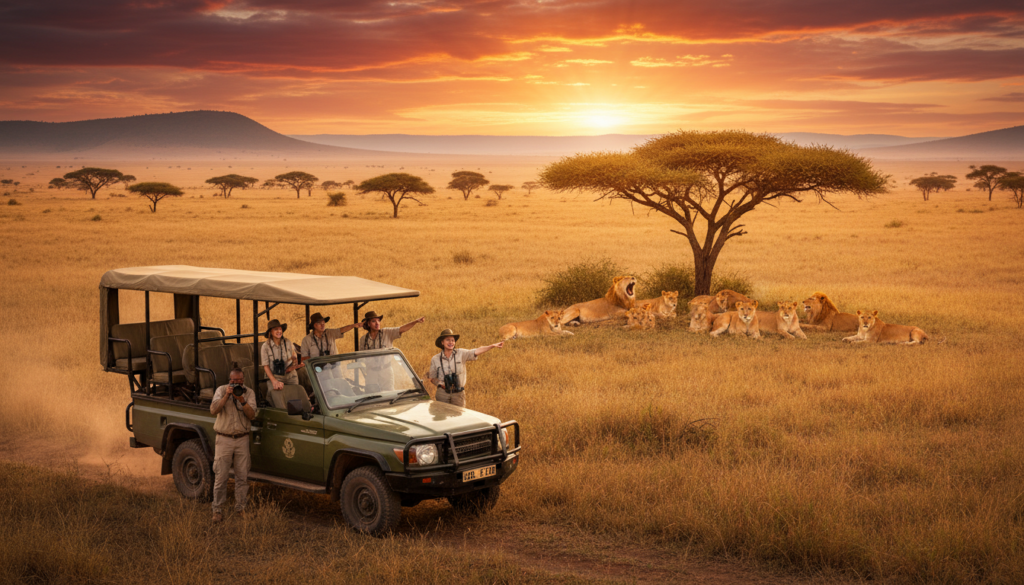
The afternoon brings another game drive, which can be just as exciting as the morning. The late afternoon drive is great for seeing different animals as they become more active.
Early Morning vs. Late Afternoon Drives
Both early morning and late afternoon game drives are special. The early morning is peaceful, with animals active as they start their day. The late afternoon drive has beautiful golden light, perfect for photos and seeing animals as they become more active.
Knowing about these differences and being ready for early starts and changing conditions will make your Tanzania Safari better. Your guides will be with you, ensuring you’re comfortable and making the most of your time in the wilderness.
Conclusion
As we wrap up our guide to Tanzania Safari 2026, we think about all the amazing things you’ll see. Planning well and knowing what to expect makes your first safari unforgettable.
A Tanzania safari is full of wildlife, landscapes, and cultural experiences. We’ve covered the key things to think about, like when to go, the best parks, and how to plan your trip.
Getting ready for your safari means more than just seeing animals. It’s about enjoying East Africa’s beauty and culture. With this guide, you’re ready for a real wilderness adventure that will stay with you forever.
FAQ
How should we determine our budget for the Tanzania safari cost in 2026?
Consider three main factors: conservation fees, where you stay, and how you get around. Mid-range camps offer a deep connection to nature. Luxury lodges provide a more refined experience. The cost can also be affected by your choice of transport.
Bush flights are pricier but let you spend more time watching Tanzania wildlife.
Which Tanzania national parks are essential for a first-time visitor?
Start with the Northern Circuit. It combines the Serengeti’s vastness with the Ngorongoro Crater’s wonders. Tarangire National Park is great for those who love nature, with its ancient baobabs and big elephant herds.
Each park offers a unique ecosystem. This makes your first wildlife experience diverse and rich.
What is the difference between the available Tanzania safari packages?
Fly-in safaris let you spend more time in the wild. Overland drives show you the changing landscapes of Tanzania. Choose between private trips for flexibility or small group tours for a shared adventure.
Private trips let you stay longer at sights like a leopard sighting. They also let you set your own pace.
What are your most practical safari Tanzania tips for health and safety?
See a travel medicine specialist for advice on malaria and vaccinations early. Always stay inside the vehicle during game drives. Listen to your guide’s advice to stay safe and respect animals.
When is the optimal time to witness the Great Migration?
The Great Migration moves with the rains. The best time to see river crossings is from July to October. The calving season in the southern Serengeti is in early spring.
We help you plan your trip to see these amazing events.
How do we navigate the e-visa and entry requirements for Tanzania?
Apply for your e-visa on the official government website a few weeks before you go. Make sure you know the latest health and passport rules. Good preparation makes your transition to the wilderness smooth.
What should we understand about cultural etiquette and tipping?
Respect local customs, like the Maasai people. Always ask permission before taking photos. Tipping is a way to say thank you to your guides and camp staff.
Can we combine a wildlife expedition with a visit to the Zanzibar archipelago?
Yes, we often plan trips that end in Zanzibar. This gives you time to relax on white sand beaches after the safari. It’s a nice way to balance the Serengeti’s dust with the ocean’s coolness.
What gear is necessary for capturing the essence of the bush?
Bring a camera with a good telephoto lens to respect animals’ space. Wear clothes in neutral colors like khaki and green. These choices help you blend in and observe animals naturally.